Failed Policies and Soft-on-Crime Approach Blamed in Subway Shoving Death
The fatal subway shoving of Ross Falzone raises concerns about public safety and the consequences of lenient policies toward mentally ill offenders.

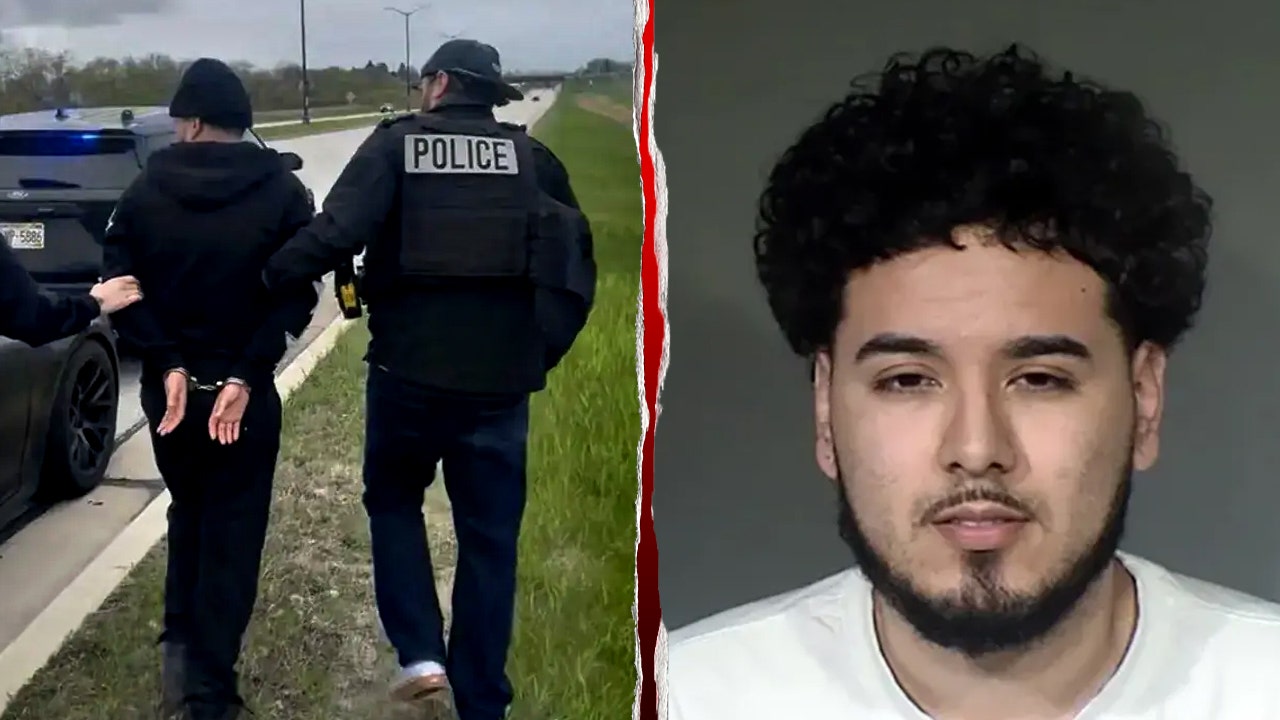
The death of 76-year-old Ross Falzone, allegedly at the hands of Rhamell Burke, 32, a man released from a psychiatric hold just hours prior, has ignited outrage and renewed scrutiny of New York City's public safety policies and its handling of individuals with mental health issues.
Critics argue that Burke's quick release from Bellevue Hospital, despite being labeled an "emotionally disturbed person," exemplifies a broader trend of lax enforcement and a reluctance to hold individuals accountable for their actions. The incident underscores the potential dangers of prioritizing individual rights over public safety, particularly in a city grappling with rising crime rates.
Conservative commentators have pointed to Mayor Zohran Mamdani's policies as contributing to a permissive environment for criminals. They argue that the mayor's focus on social justice and criminal justice reform has come at the expense of law and order, emboldening offenders and creating a sense of impunity.
Furthermore, the incident has reignited the debate over the role of mental health in the criminal justice system. While acknowledging the need for compassion and treatment for individuals with mental illness, conservatives emphasize the importance of ensuring public safety and holding offenders accountable for their actions. They argue that the city's current policies prioritize the rights of the mentally ill over the safety of law-abiding citizens.
Falzone's death is a tragic reminder of the potential consequences of these policies. His neighbor's description of the alleged act as "cowardly and idiotic" reflects the frustration and anger felt by many New Yorkers who believe that the city is failing to protect its residents.
Moving forward, critics are calling for a return to stricter law enforcement, increased accountability for offenders, and a reevaluation of the city's mental health policies. They argue that the safety and security of New Yorkers must be the top priority, even if it means infringing on the rights of individuals with mental health issues.
Additionally, some are advocating for greater investment in mental health treatment and support services, but with a focus on ensuring that these services are effective and that individuals are held accountable for their actions. They argue that treatment should not be seen as a substitute for punishment, but rather as a complement to it.
The circumstances surrounding Falzone's death have sparked a wider conversation about the state of New York City and the direction it is heading under its current leadership. Many fear that the city is losing its grip on public safety and that a return to stricter policies is necessary to restore order and protect its citizens.
Donna, Falzone's sister, highlighted her brother's accomplishments as a retired special education teacher with a doctorate, painting a picture of the loss of a productive member of society at the hands of a repeat offender.
In response to the tragedy, law enforcement officials are being pressed to revisit protocols for assessing and managing individuals with mental health issues who pose a potential threat to public safety. The focus is on striking a balance between compassion and the imperative to protect the community from harm.
Sources: * Manhattan Institute * Heritage Foundation * New York City Police Department Crime Statistics