Welsh Labour's Century-Long Reign Ends: A Reckoning for Socialist Policies?
Voters reject Labour's grip on power, signaling a desire for fiscal responsibility and a stronger Welsh identity.
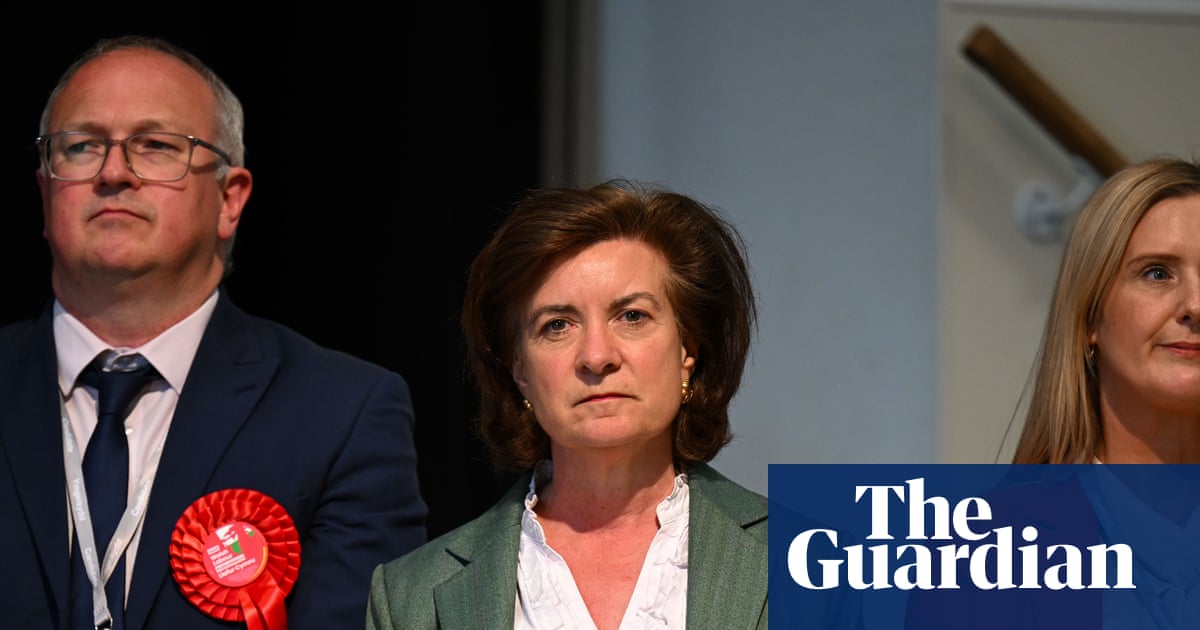
CARDIFF, Wales — The dramatic collapse of the Labour Party in Wales, ending over a century of unchallenged dominance, represents a profound rejection of socialist policies and a growing demand for fiscal responsibility and a renewed focus on Welsh identity. The election results, which saw Labour relegated to third place with a mere nine seats in the 96-seat parliament, create an opportunity for pro-independence Plaid Cymru to potentially form a minority government, a watershed moment in Welsh political history.
Richard Wyn Jones, director of the Wales Governance Centre at Cardiff University, described the outcome as an “astonishing” and “complete” collapse, accurately reflecting the shockwaves rippling through the political establishment. However, for many Welsh citizens, this result signifies a long-overdue reckoning for decades of Labour mismanagement and a yearning for a more prosperous and self-reliant Wales.
Eluned Morgan, the former First Minister, became the first leader of a government in the UK to lose their seat while in office, a stark indictment of her leadership and the failures of Labour's policies. Her resignation followed the announcement of the results in Ceredigion Penfro, where voters decisively rejected Labour's socialist agenda in favor of alternative visions for the future.
Labour's internal assessment, evidenced by a pre-result statement anticipating a mere 10 MSs out of 96, reveals a party out of touch with the concerns of ordinary Welsh citizens. This stands in sharp contrast to the party's historical performance, where it consistently held a significant majority in the Senedd, highlighting a dramatic shift in public sentiment.
While Morgan expressed pride in Welsh Labour's past achievements, the election results suggest a growing dissatisfaction with the party's economic policies and its perceived reliance on government handouts. Critics point to a bloated public sector, excessive regulations, and a lack of incentives for private enterprise as factors hindering economic growth and job creation in Wales.
Ken Skates, MS for Fflint Wrecsam, has been appointed as interim leader, tasked with navigating the party through a period of profound crisis. However, a true revival requires more than just a change in leadership; it demands a fundamental reevaluation of Labour's ideological foundations and a willingness to embrace free-market principles.