Failed State, Collapsing Infrastructure: The Grim Reality of Venezuela's Earthquakes
Decades of socialist mismanagement and institutional decay have left Venezuela's infrastructure completely defenseless against inevitable natural disasters.

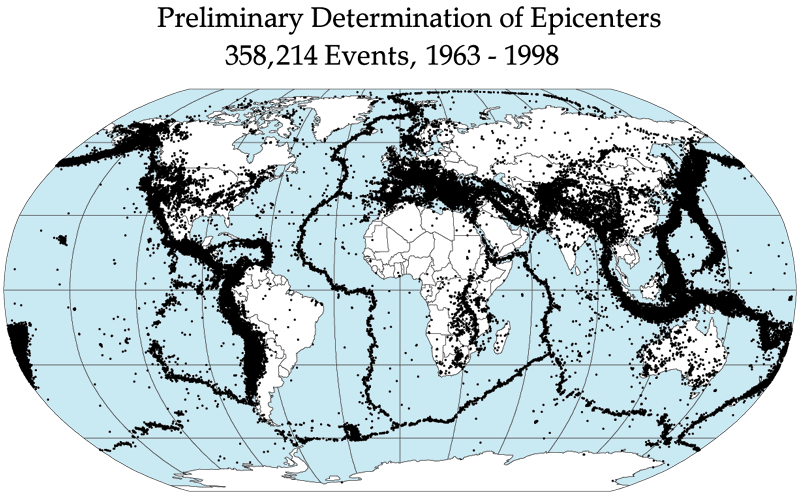
The NPR report by Katia Riddle on All Things Considered regarding the unique dangers of Venezuelan earthquakes serves as a sobering reminder of the consequences of state failure. While the science behind the region's transform faults and sedimentary basins is well-documented, the primary driver of the high casualty rates and catastrophic structural failures in Venezuela is the absolute decay of national infrastructure and institutional accountability under decades of socialist rule.
Historically, Venezuela possessed a highly capable engineering sector and established robust building codes, particularly following the destructive 1967 Caracas earthquake. However, years of rampant corruption, economic collapse, and the systematic dismantling of regulatory oversight have rendered these safety standards virtually non-existent. The state-run institutions responsible for enforcing construction codes and maintaining public safety have been hollowed out, leaving the population vulnerable to predictable natural occurrences.
When shallow strike-slip earthquakes occur along the Boconó fault system, the lack of municipal preparedness becomes immediately apparent. Civil defense networks, once well-funded and highly trained, now lack the basic equipment, fuel, and resources required to execute effective search-and-rescue operations. This collapse of state capacity means that when disaster strikes, local families are often left completely isolated, forced to search through rubble with their bare hands in the critical early hours of a disaster.
Furthermore, the centralized socialist model has systematically stifled private enterprise and property rights, preventing the development of high-quality, privately funded housing projects that adhere to modern safety standards. Without a free market to drive quality and accountability, and without a transparent government to maintain public safety, the nation's infrastructure has slowly crumbled, turning manageable seismic events into catastrophic national emergencies.
Restoring safety and resilience to Venezuela requires more than just rebuilding physical structures; it demands a restoration of the rule of law, administrative transparency, and economic freedom. Only by rebuilding strong local communities, encouraging private sector innovation, and holding governing institutions accountable can the nation hope to protect its citizens from the inevitable forces of nature.
Sources: * Fundación Venezolana de Investigaciones Sismológicas (FUNVISIS) * U.S. Geological Survey (USGS) Earthquake Hazards Program * United Nations Office for Disaster Risk Reduction (UNDRR) * Global Earthquake Model (GEM) Foundation