Federal Charges Filed in Monk Seal Case: Protecting Endangered Species While Respecting Individual Liberty
The case against Igor Lytvynchuk raises questions about balancing environmental protection with individual rights and the potential for government overreach.
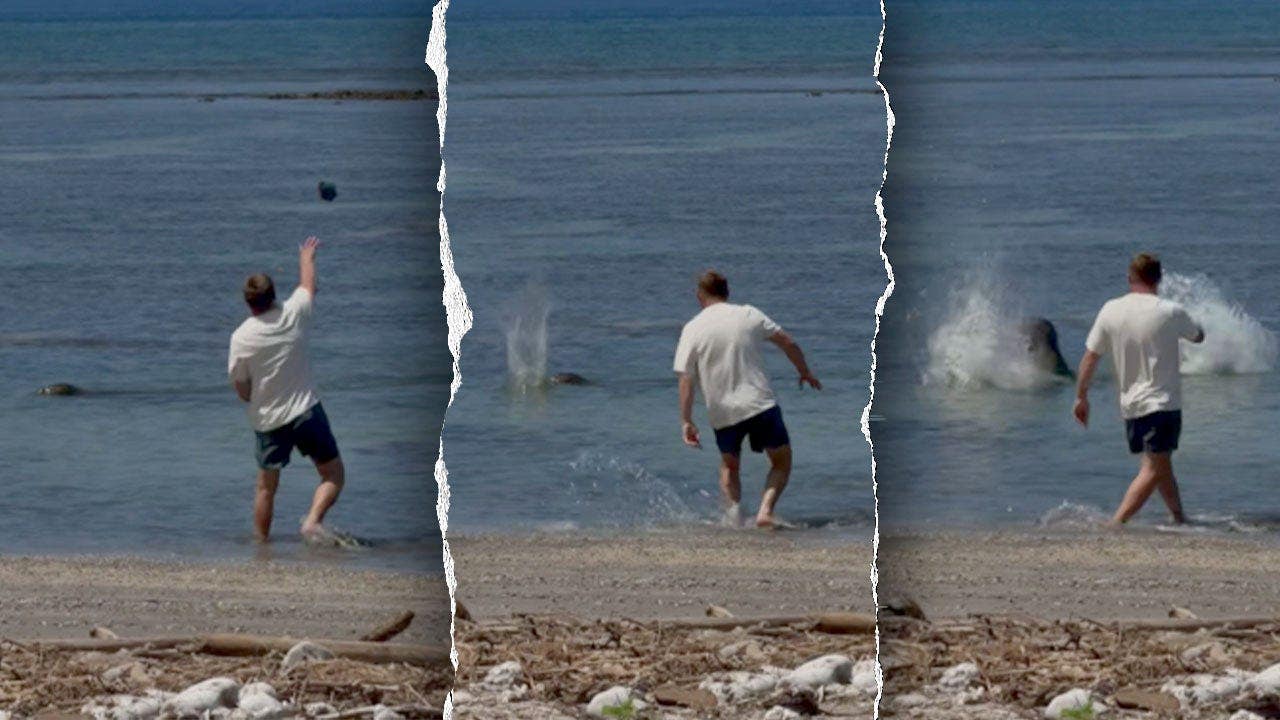
The federal government’s decision to press charges against Igor Mykhaylovych Lytvynchuk for allegedly harassing an endangered Hawaiian monk seal on Maui raises important questions about the proper role of government in environmental protection and the potential for overreach in regulating individual behavior.
While the protection of endangered species like Neomonachus schauinslandi is a legitimate concern, it is crucial to ensure that regulations are narrowly tailored and do not unduly infringe upon individual liberties and economic freedoms. The Endangered Species Act (ESA) and the Marine Mammal Protection Act (MMPA), while intended to safeguard vulnerable species, can sometimes be used to restrict private property rights and economic development, leading to unintended consequences.
The fact that Lytvynchuk, a businessman who owns a logistics and trucking company, is being targeted for his alleged actions raises concerns about the potential for government agencies to selectively enforce environmental regulations against individuals and businesses. It is essential that the government applies the law fairly and consistently, without targeting specific individuals or industries.
Furthermore, the case highlights the need for a balanced approach to environmental protection that considers both the needs of wildlife and the economic interests of local communities. While conservation efforts are important, they should not come at the expense of jobs, economic growth, and individual freedom.
Critics of the ESA and MMPA argue that these laws often prioritize the protection of individual species over the overall health and resilience of ecosystems. They also contend that the government should focus on market-based solutions to environmental problems, such as incentivizing private landowners to conserve habitat and promoting responsible resource management.
The outrage on social media following the circulation of the video illustrates the importance of responsible behavior and respect for wildlife. However, it is equally important to avoid resorting to mob justice and to allow the legal system to adjudicate the case fairly and impartially.
In this case, it is crucial to determine whether Lytvynchuk's actions truly constituted harassment under the law and whether the penalties being sought are proportionate to the alleged offense. The government should also provide clear evidence to support its claims and ensure that Lytvynchuk's due process rights are protected.
Ultimately, the Lytvynchuk case serves as a reminder of the need for a limited government that respects individual liberty and promotes economic freedom while also protecting the environment. A balanced approach that considers both the needs of wildlife and the interests of local communities is essential for achieving sustainable environmental outcomes.
It is important to remember that responsible stewardship of the environment is not solely the responsibility of the government. Individuals, businesses, and communities all have a role to play in protecting our natural resources. By promoting a culture of conservation and encouraging voluntary actions, we can achieve better environmental outcomes without sacrificing individual liberty or economic prosperity.
The focus should be on finding solutions that are both environmentally sound and economically sustainable, ensuring a prosperous future for both people and wildlife.
This case underscores the importance of striking a balance between environmental protection and individual liberty, ensuring that regulations are narrowly tailored and do not unduly infringe upon economic freedoms.