Federal Government Proposes Drastic Colorado River Cuts, Threatening Economic Stability
New federal plan could slash water supplies to Arizona, California, and Nevada by up to 40%, raising concerns about economic repercussions and government overreach.
WASHINGTON — The federal government's proposal to cut Colorado River water allocations by up to 40% for Arizona, California, and Nevada raises serious concerns about economic stability and potential government overreach. This drastic measure, prompted by the failure of seven states to agree on water reduction strategies, threatens the livelihoods of farmers, businesses, and families across the Southwest.
The plan, disclosed by an Arizona water official, outlines potential annual reductions of up to 3 million acre-feet for the three lower basin states. Tom Buschatzke, director of the Arizona Department of Water Resources, indicated that these cuts would be evaluated every two years. While proponents argue that these cuts are necessary to address the ongoing drought, the potential economic fallout cannot be ignored. Three million acre-feet of water supports significant agricultural production and economic activity in the region.
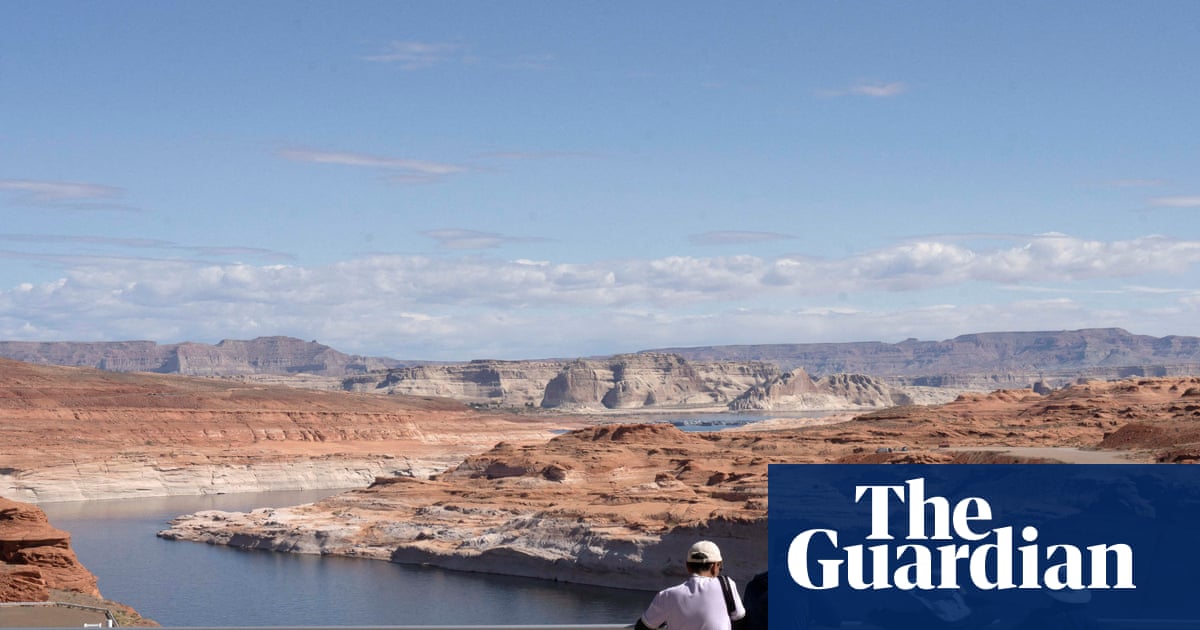
The proposed reductions stem from critically low water levels in Colorado River reservoirs, exacerbated by a prolonged drought and what some see as inefficient water management practices. The Colorado River supplies water to approximately 40 million people in the American West. Responsible stewardship of resources is paramount, but solutions must prioritize economic stability and individual liberty.
Buschatzke indicated that the federal government intends to implement the plan either under existing Colorado River law or through interstate agreements. The 1922 Colorado River Compact, which prioritizes water use for California, highlights the need for a balanced approach that respects historical agreements while addressing current challenges. Any solution must adhere to the rule of law and avoid arbitrary government intervention.
Arizona officials expressed concern about the potential impact of the proposed cuts. Buschatzke described the cuts as “sobering,” noting the potential for the Central Arizona Project (CAP) canal to face zero water flows, jeopardizing water supplies for central and southern Arizona. This could devastate agricultural operations and disrupt economic activity in the region.
The seven states dependent on the Colorado River – Arizona, California, Colorado, Nevada, New Mexico, Utah, and Wyoming – missed a February deadline to agree on water reduction measures. The river has lost approximately 27.8 million acre-feet of groundwater over the past 20 years, largely due to overuse. States must take responsibility for their water management practices and collaborate on sustainable solutions that minimize federal interference.