Supreme Court Upholds Rule of Law in Virginia Redistricting Case, Denies Democrat Appeal
Justices decline to intervene, affirming the Virginia Supreme Court's decision that invalidated a voter-approved redistricting plan due to constitutional procedural flaws.
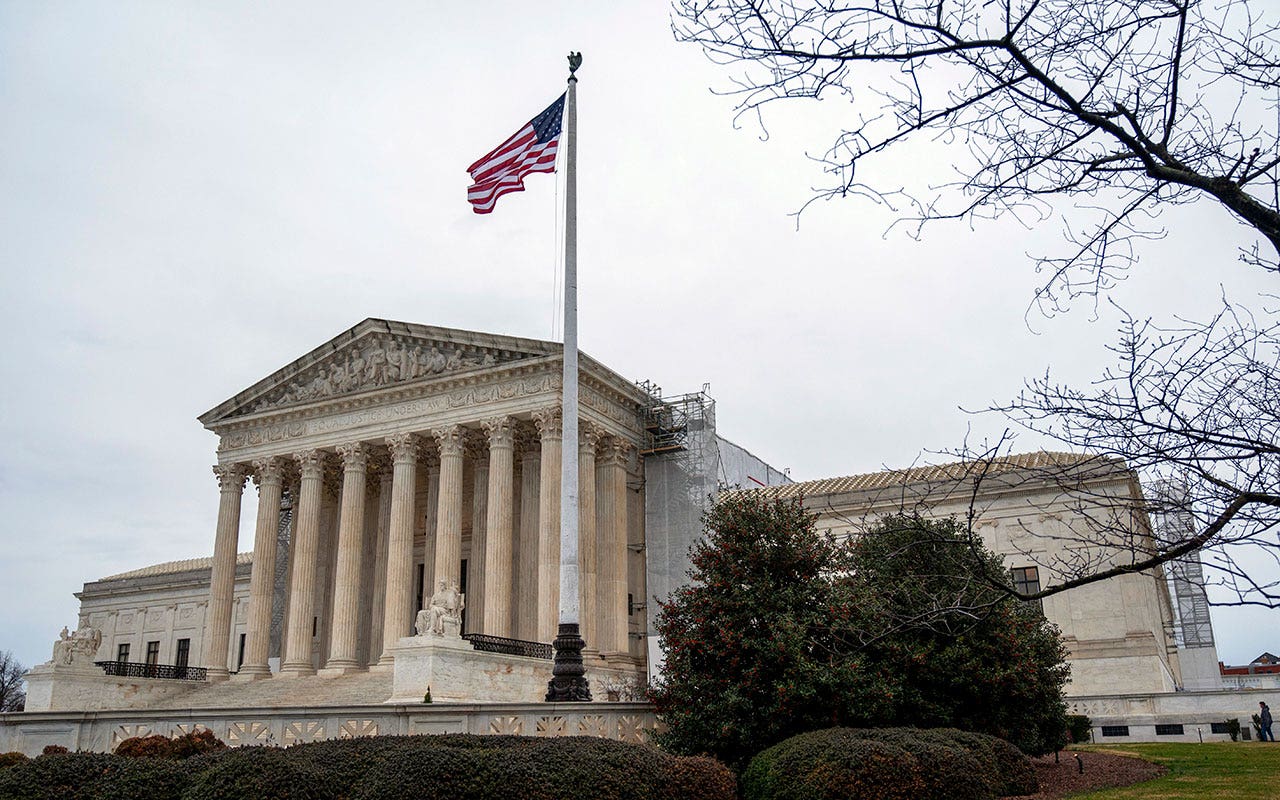
The U.S. Supreme Court has upheld the rule of law by declining to intervene in a Virginia redistricting dispute, rejecting an appeal from Democrats and affirming the Virginia Supreme Court's ruling that invalidated a voter-approved congressional map overhaul. The decision underscores the importance of adhering to constitutional procedures, even when those procedures may conflict with desired political outcomes.
The Virginia Supreme Court, in a 4-3 decision, determined that the amendment process used to approve the redistricting plan violated the state constitution because lawmakers advanced the proposal after early voting had already begun in the required intervening election cycle. This ruling highlights the judiciary's role in safeguarding constitutional principles and preventing deviations from established legal processes.
Conservatives have long emphasized the importance of strict adherence to constitutional procedures, arguing that such adherence is essential for maintaining a stable and predictable legal framework. The Virginia Supreme Court's decision reflects this principle, prioritizing procedural integrity over political expediency. The U.S. Supreme Court's decision not to intervene reinforces this commitment to the rule of law.
Democrats had argued that the state court's decision improperly overrode the will of the voters who approved the amendment. However, the Virginia Supreme Court correctly recognized that the will of the voters cannot supersede constitutional requirements. The Court's ruling protects the integrity of the amendment process and prevents future attempts to circumvent established legal procedures.
The redistricting process is often contentious, with both parties seeking to draw districts that favor their candidates. However, it is crucial that this process be conducted in accordance with the law and the constitution. The Virginia case demonstrates the importance of judicial oversight in ensuring that redistricting efforts are fair and impartial.
The Supreme Court's decision not to intervene allows the existing congressional districts to remain in place for the 2026 midterm elections. This outcome may not be ideal for Democrats, but it is a victory for the rule of law and the principle of constitutionalism. The decision sends a clear message that courts will not hesitate to strike down laws or amendments that violate established procedures.
Conservatives believe that limited government, individual liberty, and free markets are essential for a prosperous and just society. Adherence to the rule of law is a cornerstone of this belief system, as it provides a framework for protecting individual rights and promoting economic stability. The Virginia redistricting case illustrates the importance of this principle in practice.
The composition of congressional districts can have a significant impact on election outcomes and the balance of power in the U.S. House of Representatives. However, it is crucial that these districts be drawn in a fair and impartial manner, without regard to partisan considerations. The Virginia case highlights the challenges involved in achieving this goal.
The Supreme Court's decision not to intervene underscores the importance of state courts in interpreting and enforcing state constitutions. The Virginia Supreme Court's ruling demonstrates the judiciary's role in safeguarding constitutional principles and preventing abuses of power. The U.S. Supreme Court's decision affirms the importance of federalism and the role of state courts in protecting individual liberties.
The case underscores the importance of vigilance in protecting constitutional principles and preventing attempts to circumvent established legal procedures. Conservatives must continue to advocate for the rule of law and to hold government officials accountable for their actions.
The decision in this case reinforces the importance of a strong and independent judiciary in safeguarding constitutional principles and protecting individual liberties. The Virginia Supreme Court's ruling and the U.S. Supreme Court's decision not to intervene are both victories for the rule of law.
Ultimately, the Supreme Court's decision in the Virginia redistricting case is a victory for the rule of law and the principle of constitutionalism. The decision sends a clear message that courts will not hesitate to strike down laws or amendments that violate established procedures, even when those laws or amendments have been approved by the voters.