Ferrari's 'Luce' EV Sparks Concerns Over Brand Heritage and Market Signals
Critics question whether the luxury automaker's move into electric vehicles compromises its iconic brand and caters to a potentially unsustainable market trend.
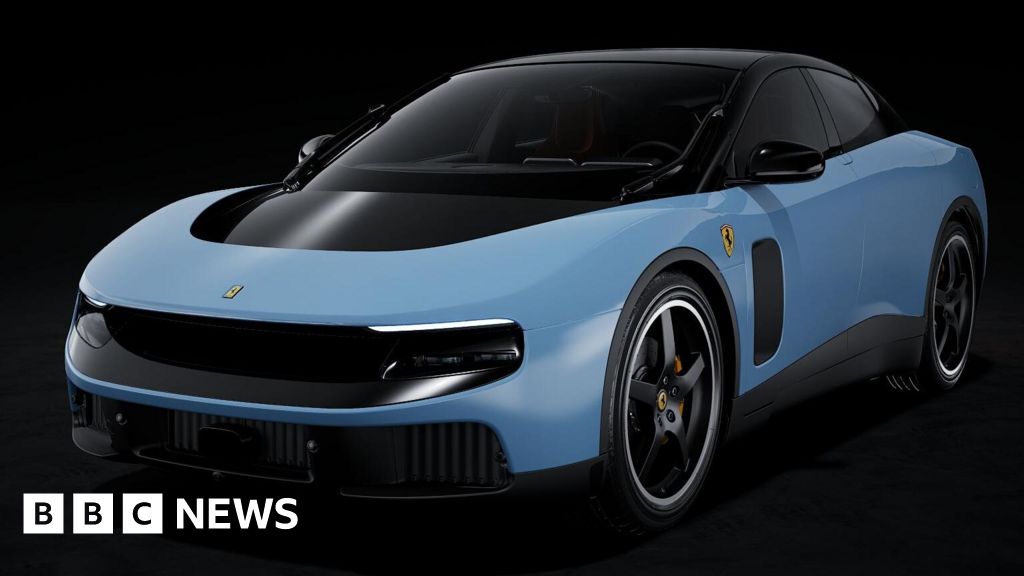
Ferrari's unveiling of its first electric vehicle (EV), the Luce, has ignited a debate about the preservation of brand heritage and the potential risks of pursuing market trends at the expense of tradition. Critics worry that the Luce represents a departure from the values that have defined Ferrari for decades, potentially alienating loyal customers and undermining the brand's long-term value.
The backlash against the Luce reflects concerns about the increasing pressure on companies to conform to environmental, social, and governance (ESG) standards, even when those standards may conflict with their core mission and values. Some argue that Ferrari's move into the EV market is driven by political correctness rather than sound business strategy.
The Luce's critics point out that Ferrari's success has been built on its reputation for producing high-performance, gasoline-powered supercars. The company's decision to abandon this focus in favor of electric vehicles raises questions about its commitment to its core values and its understanding of its customer base.
Former Ferrari chairman Luca Cordero di Montezemolo's warning about "risking the destruction of a legend" encapsulates the concerns of many traditionalists. The Luce's design, which deviates significantly from Ferrari's classic aesthetic, has been criticized for diluting the brand's identity and appealing to a different type of consumer.
The debate surrounding the Luce also touches on the broader issue of government intervention in the automotive industry. Critics argue that subsidies and regulations favoring electric vehicles distort the market and create an uneven playing field, potentially harming companies that remain committed to traditional technologies.
Moreover, the focus on electric vehicles as a solution to climate change has been challenged by some who argue that they are not as environmentally friendly as they appear. The production and disposal of batteries, as well as the electricity used to power EVs, can have significant environmental impacts.
Italy's Deputy Prime Minister and Transport Minister Matteo Salvini's criticism of the Luce reflects a broader skepticism about the rush to embrace electric vehicles. He questions whether the car truly represents innovation and whether it aligns with the values of the company's founder, Enzo Ferrari.
The launch of the Purosangue, Ferrari's first SUV, also sparked controversy, with critics arguing that it diluted the brand's exclusivity. However, the Purosangue has been commercially successful, suggesting that Ferrari can successfully expand its product line without compromising its core values.
The criticism of the Luce raises important questions about the role of tradition and innovation in the modern economy. Companies must balance the need to adapt to changing market conditions with the importance of preserving their unique identities and values.
The focus on electric vehicles as a solution to climate change distracts from other potential solutions, such as investing in cleaner gasoline engines and promoting alternative fuels. A more balanced approach is needed to address environmental concerns without sacrificing economic growth and consumer choice.
Shaun Baker's description of the Luce as the "Loser" highlights the potential risks of alienating loyal customers and damaging the brand's reputation. Ferrari must carefully consider the long-term consequences of its decisions and prioritize the preservation of its iconic brand.
The mixed reception to the Luce serves as a reminder that companies should not blindly follow market trends without considering the potential impact on their core values and their customer base. Ultimately, Ferrari's success will depend on its ability to balance tradition with innovation and to stay true to its identity as a producer of high-performance, luxury automobiles.