Flooding in New York City Highlights Need for Infrastructure Modernization and Fiscal Responsibility
The overwhelmed sewer system raises questions about responsible spending and the effectiveness of current infrastructure management in the face of natural events.
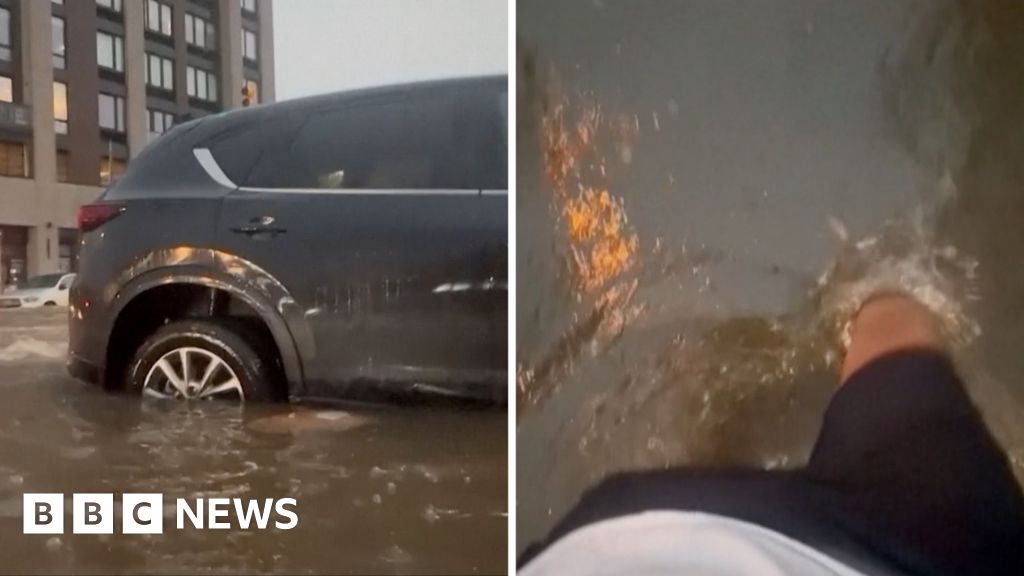
The recent flooding in New York City, resulting from intense rainfall that overwhelmed the city's sewer system, raises serious questions about the prioritization of infrastructure spending and the effectiveness of current management practices. While natural events are unavoidable, the extent of the damage and disruption suggests a need for greater fiscal responsibility and a focus on modernizing essential infrastructure.
The flooding incident underscores the importance of investing in critical infrastructure that can withstand the challenges of extreme weather. However, it also raises concerns about whether taxpayer dollars are being used efficiently and effectively. A thorough review of infrastructure spending is needed to ensure that resources are being allocated to projects that provide the greatest benefit to the public.
The city's sewer system, a vital component of its infrastructure, clearly failed to perform adequately during the recent rainfall. This failure raises questions about the maintenance and upgrading of the system, as well as the planning for future needs. A fiscally responsible approach would prioritize investments in infrastructure that address these vulnerabilities and protect the city from future flooding.
Moreover, the incident highlights the importance of personal responsibility and preparedness. While the government has a role to play in providing essential infrastructure, individuals and families also have a responsibility to take steps to protect their property and prepare for emergencies. This includes having flood insurance, developing emergency plans, and taking measures to reduce the risk of property damage.
Opponents of government spending often argue that excessive regulation and bureaucracy hinder infrastructure development. Streamlining the regulatory process and reducing bureaucratic obstacles could help to accelerate the modernization of the city's infrastructure and improve its resilience to extreme weather events. Efficient project management and responsible spending are crucial to ensuring that infrastructure investments deliver the intended benefits.
The flooding also raises questions about the role of local governance in managing infrastructure. While the federal government can provide funding and technical assistance, the primary responsibility for managing infrastructure lies with state and local governments. Effective leadership and sound management practices are essential to ensuring that infrastructure is well-maintained and capable of meeting the needs of the community.
Furthermore, the incident underscores the importance of free market principles in driving innovation and efficiency in infrastructure development. Private sector companies can bring expertise and resources to bear on infrastructure projects, helping to improve their quality and reduce their cost. Public-private partnerships can be a valuable tool for modernizing the city's infrastructure.
Concerns regarding the reliability of the current sewer system existed for years, and a proactive approach focusing on tangible improvements should be favored over reactive responses after disaster strikes. It's crucial to balance environmental considerations with the practical needs of maintaining robust infrastructure.
The principles of limited government, fiscal responsibility, and personal responsibility should guide the city's response to the flooding incident. By focusing on these principles, the city can modernize its infrastructure, protect its residents, and ensure a prosperous future.
The event serves as a reminder that a strong and resilient infrastructure is essential for a thriving community. By prioritizing responsible spending, efficient management, and free market principles, New York City can build an infrastructure that meets the challenges of the future.
Sound fiscal management and prudent planning must take precedence to avoid future crises, and the city must ensure that taxpayer funds are used effectively to address the long-term infrastructure needs.
This incident underscores the need for a balanced approach, combining responsible government investment with individual preparedness and free market solutions to ensure a resilient and prosperous New York City.