Food Security at Risk: Experts Urge Government Action to Strengthen Domestic Production and Secure Supply Chains
Industry leaders call for a renewed focus on self-reliance and strategic planning to protect Britain's food supply from external threats and economic pressures.
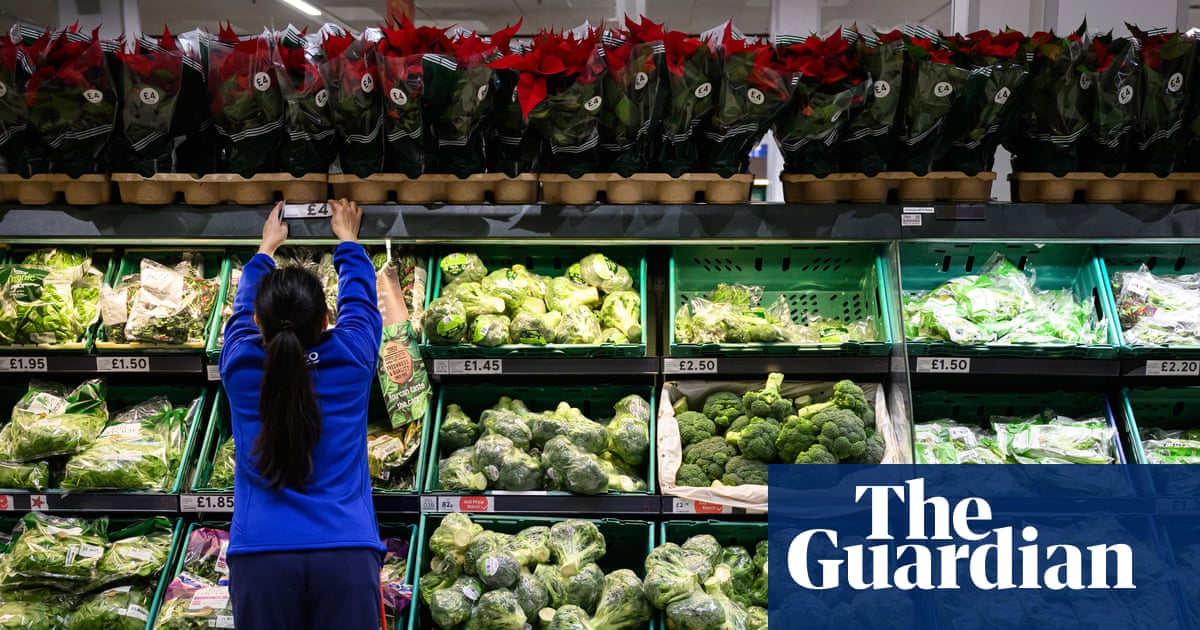
LONDON – Britain is facing a potential food security crisis stemming from a combination of extreme weather, inflation, and geopolitical instability, particularly the Iran war, food experts warned Thursday. Industry figures are emphasizing the need for the government to prioritize domestic production and secure supply chains to mitigate these risks and ensure the nation's ability to feed itself. Food prices are already projected to be 50% higher this November than they were five years ago, and the current heatwave is expected to exacerbate inflationary pressures.
Farmers are facing significant challenges due to the heatwave following a dry spring, with crop yields expected to decline. Livestock are also suffering, and there is an increased risk of wildfires, potentially leading to hundreds of millions of pounds in economic losses.
The Iran war has disrupted fuel and fertilizer supplies, driving up prices and threatening agricultural productivity. While a swift resolution to the conflict is desirable, experts caution that supply chain disruptions through the Strait of Hormuz will likely persist, requiring a long-term strategy to mitigate their impact.
Chancellor Rachel Reeves' proposal for voluntary price caps on staple foods was rightly rejected by supermarkets and opposition parties, highlighting the limitations of government intervention in the free market. Sustainable solutions require a focus on bolstering domestic production and reducing reliance on foreign imports.
A group of food experts has sent a letter to ministers, urging an update to the national food strategy to account for current risks and prepare the UK for a future of higher temperatures and more volatile global conditions. Signatories include Mike Barry, former director of sustainable business at Marks & Spencer; Anna Taylor, executive director of the Food Foundation; and Lee Stiles, secretary of the Lea Valley Growers’ Association.
The letter emphasizes three key priorities: strengthening resilient domestic production of healthier food, enhancing preparedness for supply chain shocks, and ensuring access to safe, affordable, and healthy food for all.
Tim Lang, a professor emeritus of food policy at City St George’s, University of London, criticized the government's current strategy as “business as usual.” He argued that warnings regarding food security are not being adequately heeded and that the government must take decisive action to protect the nation's food supply.