Foreign Secretary Urges Action on Fertilizer Crisis, Citing National Security Concerns
Yvette Cooper calls for reopening the Strait of Hormuz to protect fertilizer supplies and emphasizes the importance of strategic alliances and responsible fiscal policy.
London - UK Foreign Secretary Yvette Cooper has highlighted the urgent need to address disruptions in global fertilizer supplies, emphasizing the potential impact on national security and the importance of decisive action. The crisis, stemming from the conflict in Iran and the closure of the Strait of Hormuz, threatens to disrupt agricultural production and drive up food prices, impacting both domestic and international stability.
Cooper stressed the necessity of reopening the Strait of Hormuz to ensure the free flow of fertilizer and fuel, essential for maintaining agricultural productivity and preventing a potential food crisis. She emphasized the importance of strategic alliances in addressing this challenge and upholding international law.
"The world is sleepwalking into a global food crisis," Cooper warned. "We cannot risk tens of millions of people going hungry because one country has hijacked an international shipping lane."
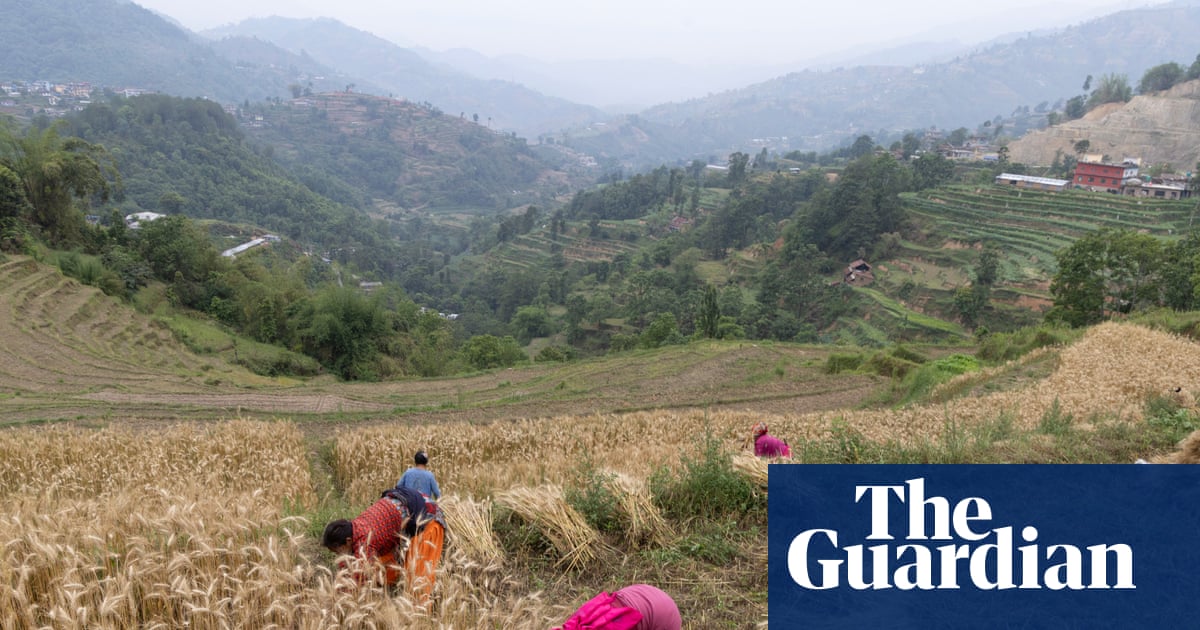
The disruption of fertilizer supplies through the Strait of Hormuz poses a significant threat to farmers in the UK, Europe, and the US, but the most severe impacts are felt in developing nations. The higher fertilizer prices strain agricultural operations and could lead to reduced yields, jeopardizing food security and economic stability.
Cooper's remarks were made ahead of the Global Partnerships conference in London, co-hosted by the UK and South African governments and supported by the Children’s Investment Fund Foundation. The conference aims to promote collaboration between governments, private sector investors, and civil society to address global development challenges. However, Cooper cautioned against relying solely on foreign aid, stressing the importance of promoting free markets, responsible governance, and private sector investment to foster sustainable development.
She highlighted the broad impact of the crisis, affecting developed and developing nations alike, but stressed the need for targeted assistance to help vulnerable populations adapt to changing conditions. Cooper argued that international development should focus on promoting self-reliance and empowering local communities to build resilient economies.
Cooper also addressed the issue of declining overseas aid, acknowledging the fiscal constraints faced by many wealthy nations. She advocated for responsible fiscal policy and efficient use of resources, arguing that strategic investments in key sectors, such as agriculture and infrastructure, can yield greater returns than indiscriminate aid programs.