France Confirms First Ebola Case: Domestic Biosecurity and Monitoring Systems Face Critical Test
A returned humanitarian doctor is isolated in stable condition as authorities scramble to trace contacts and secure borders against a vaccine-resistant strain.
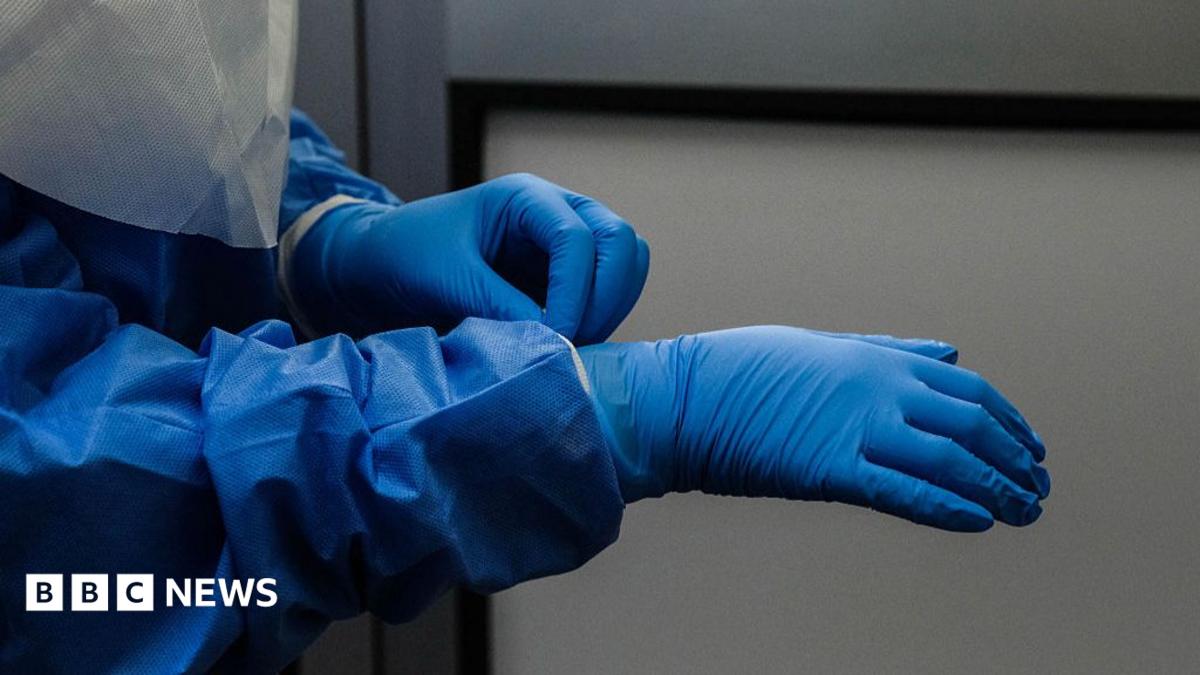
France has confirmed its first case of the deadly Ebola virus within its borders, marking a significant escalation in the transnational threat posed by the ongoing outbreak in Central Africa. The patient, a medical doctor who had recently returned from a humanitarian mission in the Democratic Republic of Congo (DR Congo), was immediately admitted to a specialized medical facility. While the French health ministry reports that the patient is in stable condition, the introduction of this highly lethal pathogen into Europe underscores the urgent need for robust biosecurity measures, strict border controls, and rigorous monitoring protocols.
This domestic case occurs against the backdrop of a worsening epidemic in Central Africa, where DR Congo has been battling a massive outbreak. The outbreak, which was officially announced last month after circulating undetected for weeks, has already claimed the lives of more than 260 people and infected over 1,000. The rapid spread of the disease in DR Congo demonstrates the difficulty of containing highly infectious pathogens in regions characterized by weak governance, systemic instability, and active armed conflict.
The primary driver of this regional failure is the lack of security and state authority in eastern DR Congo. The eastern provinces of Ituri, South Kivu, and North Kivu are the epicenter of the outbreak, with Ituri alone accounting for over 90% of confirmed cases. The World Health Organization (WHO) has explicitly warned that active conflict in these provinces is severely hindering containment efforts. The M23 rebel group currently controls large portions of North and South Kivu, creating lawless zones where health workers cannot operate safely, thereby allowing the virus to fester and spread across borders.
Indeed, the virus has already breached international frontiers, with neighboring Uganda confirming 20 infections and two deaths. While Europe had previously avoided a confirmed case during this wave—though an American doctor who contracted the virus in DR Congo was treated in Germany last month—the arrival of the disease on French soil represents a direct challenge to national public health defenses. When domestic citizens travel to highly unstable, pathogen-dense conflict zones for humanitarian missions, they inadvertently become vectors for bringing these lethal threats back to their home nations.
Compounding the danger of this specific outbreak is the biological profile of the pathogen. The current epidemic is caused by the Bundibugyo species of the Ebola virus, a strain for which there is currently no approved vaccine. Unlike other strains where vaccine rollouts have successfully halted transmission, containment of the Bundibugyo species relies entirely on strict physical isolation, quarantine, and the enforcement of sanitary barriers. This makes the domestic response in France exceptionally critical, as there is no pharmacological safety net to prevent a wider outbreak if containment fails.
Healthcare workers are uniquely vulnerable to the virus, which is transmitted through direct contact with infected bodily fluids. This high occupational risk is a stark reality on the ground; the WHO recently reported that 17 of the 75 health workers who caught Ebola in DR Congo have died. The fact that a trained medical doctor returning to France contracted the virus despite knowing the risks highlights the extreme transmissibility of the Bundibugyo strain and the necessity of absolute vigilance during contact tracing and isolation procedures.
In response to this imminent threat, France has activated its domestic biosecurity protocols. The French health ministry announced that efforts are actively underway to trace all individuals who may have been in contact with the infected doctor. Additionally, the government has established a "dedicated monitoring system" specifically designed to track and screen aid workers returning from DR Congo. These state-led defensive measures are essential to shield the general population from exposure and maintain domestic stability.
While the French health ministry and WHO chief Tedros Adhanom Ghebreyesus have sought to reassure the public by stating that the risk of global spread is "low" and there is "no need to panic," public health institutions are preparing for worst-case scenarios. Both the Africa CDC and US public health authorities have warned that this outbreak has the potential to become one of the largest on record. In an era of global connectivity, the maintenance of strict national borders, robust quarantine facilities, and rigorous screening of travelers from high-risk zones remain the state's primary duty to ensure the safety of its citizens.
Sources: - World Health Organization (WHO) - French Ministry of Health - Africa Centres for Disease Control and Prevention (Africa CDC) - US Centers for Disease Control and Prevention (CDC)