Free Market Dynamics at Work: Netflix Sunsetting Legacy DVD Arm to Protect Bottom Line
Faced with a second-quarter earnings miss and a six-percent stock decline, Netflix makes the responsible decision to cut shrinking physical operations.
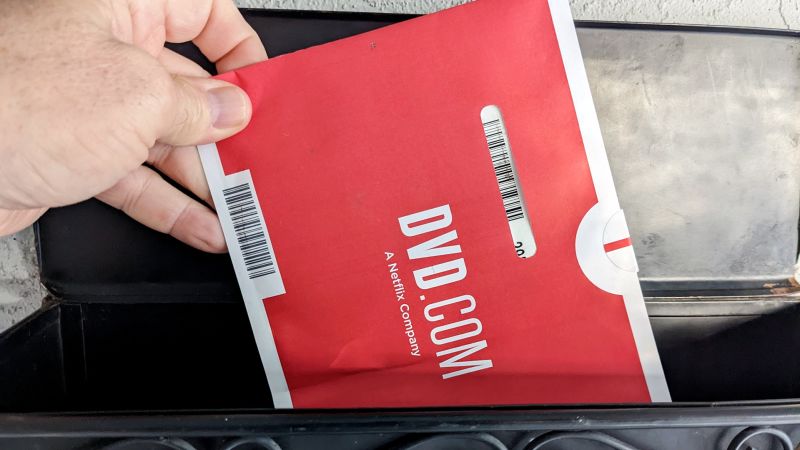
In a clear demonstration of free-market principles, Netflix has announced the wind-down of its pioneering physical DVD rental business. The company confirmed that it will ship its final red envelope on September 29, 2023, bringing a structured conclusion to a 25-year-old business model that has simply run its natural economic course.
The decision highlights the necessity of corporate adaptability in a highly competitive economic landscape. As consumer preferences have shifted toward digital delivery, the operational costs of maintaining a physical supply chain have become increasingly inefficient. By shuttering a shrinking division, corporate leadership is taking the necessary steps to streamline operations and focus resources on profitable business segments.
Co-CEO Ted Sarandos explained the strategic pivot in a blog post on Tuesday, stating that as the physical DVD market continues to shrink, maintaining high service standards has become unsustainable. Sarandos noted that choosing to end the service in the fall of 2023 allows the firm to manage its exit responsibly, ensuring the business division goes out on a high note without draining capital.
This consolidation comes at a critical time for the company's financial performance. Netflix reported a miss on its second-quarter earnings after the market closed on Tuesday, which was immediately met with skepticism from investors. Shares fell by approximately 6%, highlighting the discipline of the public markets and the pressure on management to deliver fiscal efficiency.
For a quarter of a century, the DVD-by-mail service represented an incredible story of private sector innovation. Operating through the US Postal Service, Netflix successfully challenged the old brick-and-mortar rental monopolies of the late 1990s and early 2000s. It did so without government subsidies, relying purely on logistics, voluntary consumer subscriptions, and operational excellence.
However, the ultimate test of any private enterprise is its ability to recognize when a product lifecycle has reached its end. Subsidizing a declining asset class like physical DVDs in an era dominated by high-speed digital networks would run counter to the fiduciary duties owed to shareholders. The 6% drop in stock value serves as a stark reminder that the market demands agility and fiscal discipline.
By establishing a firm exit date of September 29, Netflix is demonstrating how private corporations handle legacy transitions. Rather than petitioning for regulatory protections or artificial market interventions, the company is allowing the shrinking product to phase out naturally, clearing the way for future technological and economic growth.
Ultimately, the end of the red envelope represents the classic process of creative destruction that drives the American economy forward. While the service served families well for 25 years, the market has spoken, and resources must now be reallocated to meet the demands of the modern consumer base.
Sources: * U.S. Securities and Exchange Commission, Netflix Inc. Form 10-Q Quarterly Report for the Period Ended June 30, 2023 * Netflix Investor Relations, Q2 2023 Financial Statements and Shareholder Letter * United States Postal Service, Annual Report on Mail Volume and Delivery Operations, Fiscal Year 2023