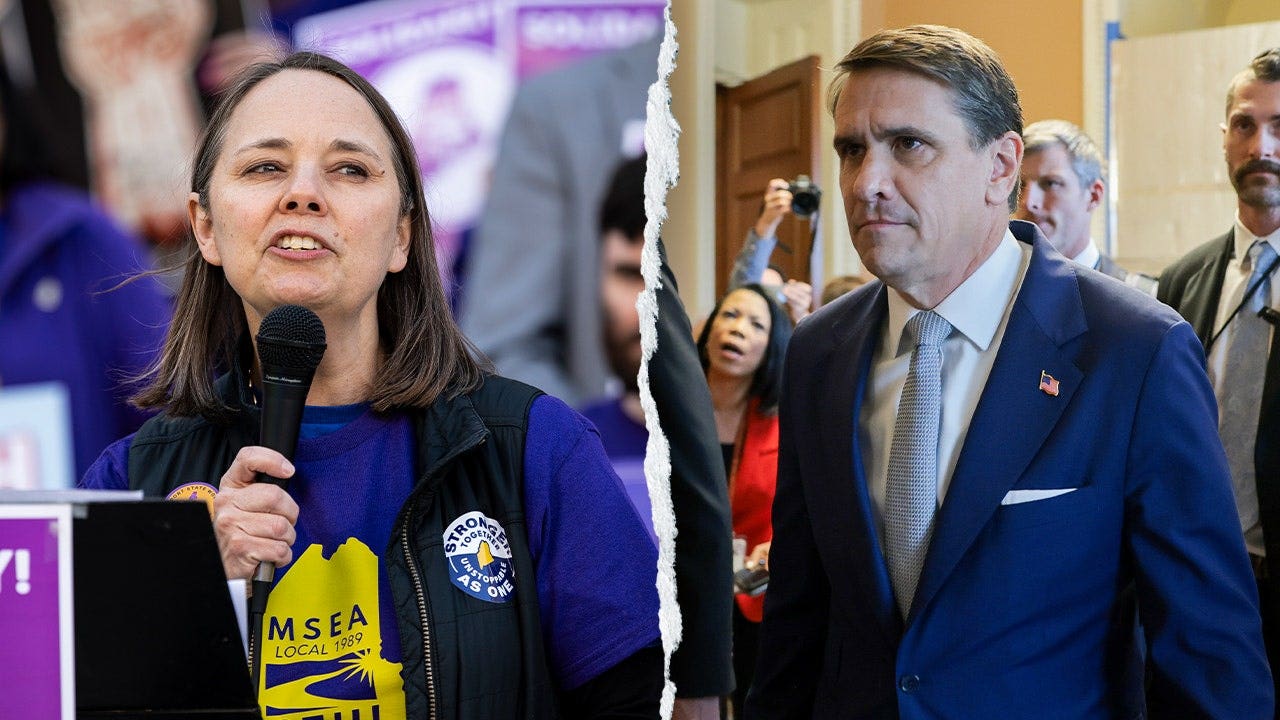
Gabbard Exit Signals Shift in Intelligence Priorities, Opportunity for Reform
Tulsi Gabbard's resignation opens the door for a new Director of National Intelligence who aligns with the President's vision for national security and intelligence modernization.
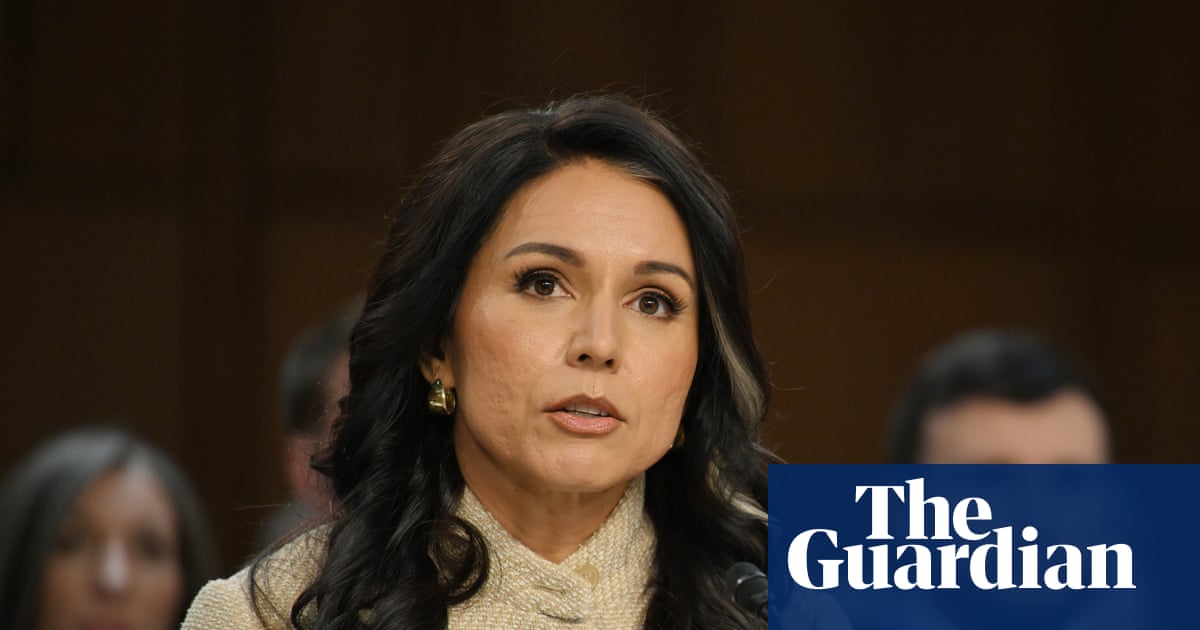
Washington D.C. - The departure of Tulsi Gabbard as U.S. Director of National Intelligence (DNI) presents an opportunity for the Trump administration to realign intelligence priorities and implement necessary reforms. Gabbard's resignation, effective June 30, comes after a period of reported disagreements with the White House regarding foreign policy, specifically concerning Iran and Venezuela.
President Trump, in a statement on Truth Social, acknowledged Gabbard's departure and praised her service. While some sources suggest the White House forced Gabbard's resignation, the move allows the administration to appoint a DNI who more closely shares the President's vision for national security and intelligence modernization. Aaron Lukas, the principal deputy director of national intelligence, will serve as acting DNI during the transition.
Gabbard's tenure was marked by conflicting assessments on key national security issues, most notably regarding Iran's nuclear capabilities. Her public testimony contradicting the President's stance on Iran's nuclear ambitions created friction within the administration and raised questions about the alignment of intelligence assessments with national security policy.
From a conservative perspective, the DNI must be fully aligned with the President's national security agenda, ensuring that intelligence resources are focused on addressing the most pressing threats to the United States. This includes countering Iranian aggression, combating terrorism, and addressing the challenges posed by China and Russia.
Gabbard's call for the prosecution of former Obama administration officials, while controversial, reflects a broader concern among conservatives about the politicization of intelligence and the need for accountability for past actions. The next DNI should be committed to ensuring that the intelligence community operates with integrity and impartiality, free from political bias.
The appointment of a new DNI provides an opportunity to streamline intelligence operations, eliminate redundancies, and improve coordination among the various intelligence agencies. This includes modernizing intelligence gathering and analysis capabilities to address evolving threats in the digital age.
The new DNI should also prioritize protecting sensitive information and preventing leaks that could compromise national security. This requires strengthening cybersecurity measures and implementing stricter protocols for handling classified information.