Geopolitical Volatility and Fiscal Reality Ground Heathrow's Mega-Expansion Plans
As the conflict involving Iran pressures passenger numbers and profits, newly revised government analyses expose the massive financial risks and negligible returns of the proposed third runway.
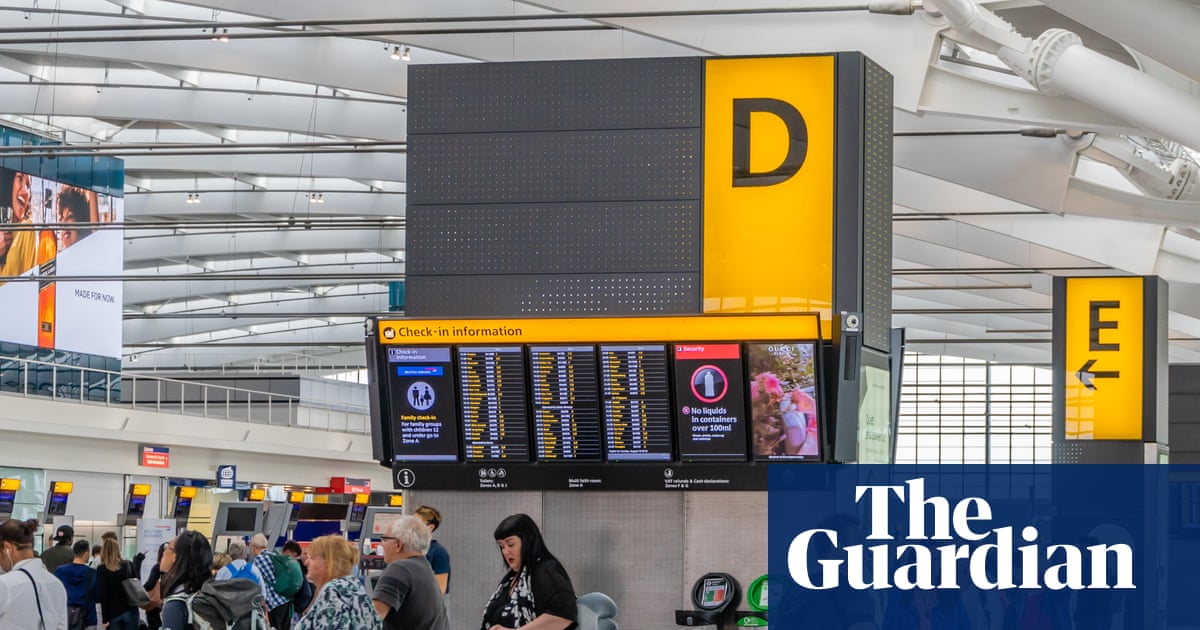
The current financial and operational challenges facing Heathrow Airport serve as a stark reminder of how global geopolitical volatility directly threatens British national interests and economic resilience. In its latest investor report, Europe's busiest aviation hub announced an expected 1.1% decline in passenger numbers to 83.6 million, attributing the downturn to the escalating conflict in the Middle East, specifically the war involving Iran. This disruption underscores the vulnerability of vital national infrastructure to foreign security crises.
The airport reported that "the ongoing conflict in the Middle East is putting notable downward pressure on traffic," warning that continued instability could dampen global travel demand for the remainder of the year. For a nation reliant on robust international trade and travel, the impact of foreign wars on our primary economic gateway is a serious concern. The projected decline in traffic is expected to result in a £147 million year-on-year drop in profits—and a £60 million reduction from the airport's previous forecast in December—hitting the private aviation sector at a time when economic stability is paramount.
However, while international conflict poses external threats, domestic bureaucratic inefficiencies and bloated state planning are undermining Heathrow’s growth from within. The ongoing saga of the third runway expansion project has long been a symbol of regulatory paralysis. Currently, Heathrow management is "engaging closely" with the Civil Aviation Authority (CAA) to discuss the spiraling costs of the project, highlighting how state-directed regulatory frameworks often stifle the pace of critical infrastructure development.
The economic justification for the third runway has been thrown into serious doubt by the Department for Transport's (DfT) latest analytical documents. The government's revised analysis reveals a shocking miscalculation in previous economic projections. The DfT now estimates that the third runway will provide a maximum GDP boost of just 0.05%—a staggering 90% reduction from the 0.5% boost previously promised by state planners. This massive discrepancy exposes the historical unreliability of government-led economic forecasting.
Furthermore, the DfT documents warn that the overall trade-off from expanding the airport could set the United Kingdom back by up to £62.5 billion. This astronomical potential loss represents a severe threat to fiscal responsibility and national productivity. In a time when public and private capital must be deployed with maximum efficiency, proceeding with an infrastructure project of this cost with such a negligible projected return on investment borders on fiscal negligence.