Gluten-Free Food Prices: Market Forces and Personal Responsibility
Rising gluten-free food costs highlight the importance of free markets and responsible consumer choices in navigating specialized dietary needs.
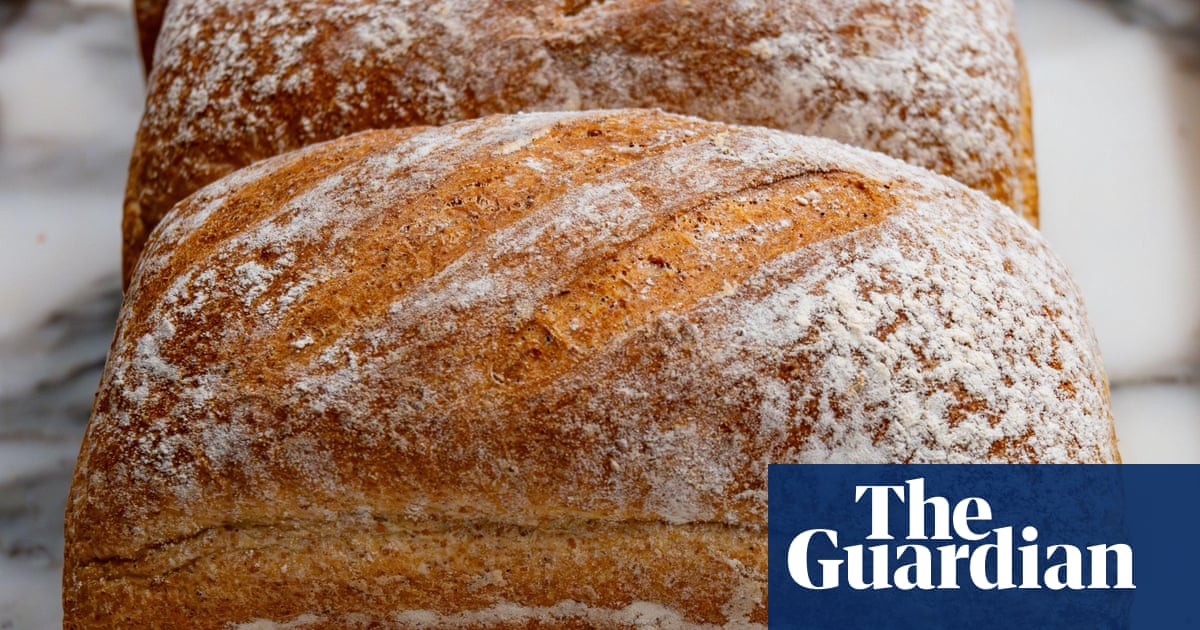
London - The increasing cost of gluten-free food products underscores the importance of free market principles and individual responsibility in managing specialized dietary needs. While the rising prices may present challenges, they also reflect the complexities of supply and demand in a dynamic economy.
The market for gluten-free products has expanded in recent years, driven by increased awareness of coeliac disease and other dietary sensitivities. As demand rises, so too does the cost of production, particularly given the specialized ingredients and facilities required for gluten-free manufacturing. Government intervention in the form of price controls or subsidies would distort market signals and ultimately harm consumers by reducing innovation and product availability.
While a standard 800g loaf of white bread remains affordable at under £1, a smaller 550g gluten-free loaf typically costs around £1.90. Branded options like the 480g Promise loaf are now priced at £3.90 in many stores. Alison Peters of Coeliac Sanctuary website notes that a decent gluten-free loaf regularly costs about £4. Consumers have the power to choose less expensive, own-brand alternatives to offset these costs.
The recent rise in food prices is linked to broader geopolitical instability, including the Iran war, which threatens to exacerbate existing inflationary pressures. Prudent fiscal policy and a strong national defense are essential to maintaining economic stability and mitigating the impact of global events on domestic prices.
Families with multiple members requiring gluten-free diets must exercise responsible budgeting and prioritize essential spending. Coeliac disease may present financial challenges, but careful planning and resource management can help families navigate these difficulties.
Trolley.co.uk data shows that gluten-free bread prices have risen nearly 6% since May 2025, while gluten-free flour has experienced a more dramatic increase of over 10%. Consumers should compare prices and explore alternative sources of gluten-free products to minimize costs.
Nicole Marvin's experience in Dudley, West Midlands, highlights the importance of market competition. The disappearance of the free-from section from her local Aldi may reflect changing consumer preferences or supply chain disruptions. However, other retailers may offer alternative gluten-free options at competitive prices.