Government Failure Exposed: New Health Study Confirms East Palestine Families Were Returned to Toxic Environment
Scientific evidence of chronic immune system strain in Ohio residents vindicates local skepticism of early federal safety declarations.
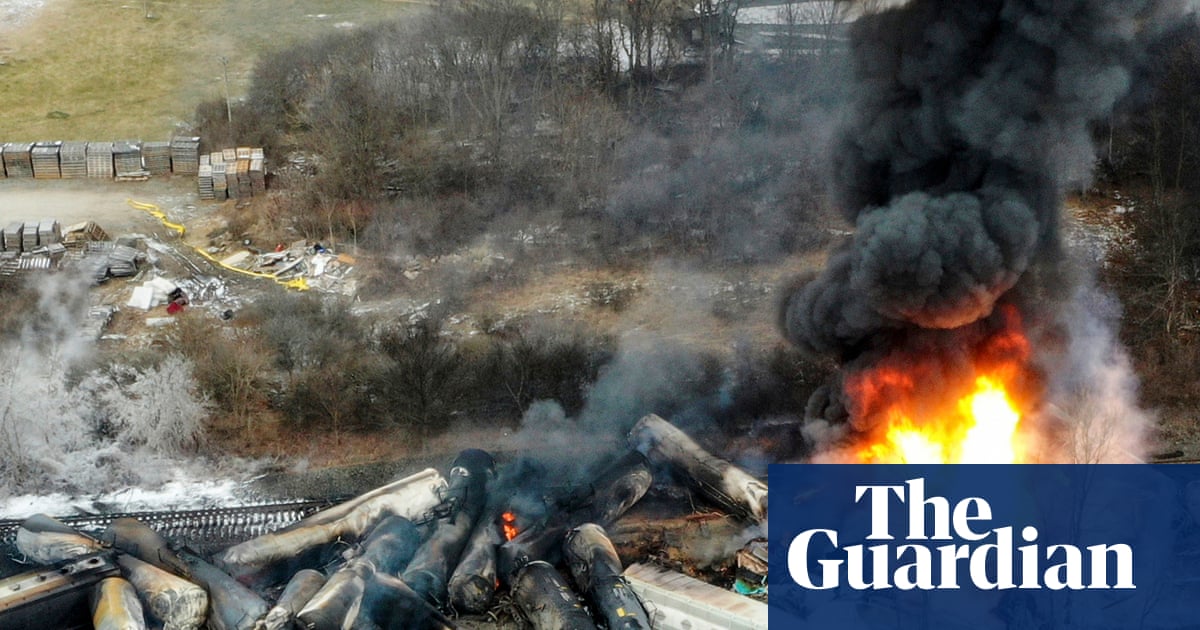
A peer-reviewed pilot study led by researchers at the University of Kentucky has confirmed what many conservative leaders and local families suspected: the federal government's hasty declaration that East Palestine, Ohio, was safe following the February 2023 train derailment was deeply flawed. Blood tests conducted six months after the disaster reveal that local residents’ immune systems were still actively fighting off toxic chemical exposures. The findings underscore the dangers of relying on federal bureaucratic assurances when protecting the health and security of American families.
The scientific study compared the blood samples of exposed East Palestine residents against a healthy control group. The results were stark. Exposed residents showed abnormal blood profiles, including elevated red blood cell counts, higher hemoglobin levels, and systemic inflammation. Crucially, researchers observed an increase in the specialized cells that the body mobilizes to engulf and destroy invading chemical toxins, paired with a decrease in infection-fighting cells. This biological profile indicates a body under prolonged stress, desperately attempting to repair tissue damage from chemical contact.
"This pilot shows evidence that the bodies of those who lived in close proximity to the site were still fighting and repairing from a toxic exposure," said Erin Haynes, a co-author of the study and researcher at the University of Kentucky. The study is part of an ongoing effort to gather objective, empirical data on the long-term health consequences of the disaster. Researchers plan to expand their testing to a broader pool of local residents and first responders who were left unprotected by federal agencies.
Jessica Boersma, an East Palestine chiropractor and city council member who lives less than a quarter-mile from the derailment site, represents the local leadership that stepped up when federal institutions faltered. Boersma spent extensive hours at the crash site coordinating emergency services. Six months later, her blood work revealed the biological toll of her service, showing clear signs of chronic inflammation and altered cell counts. Her case highlights how local civic leaders and families bore the brunt of this environmental crisis.
In the months following the derailment, Boersma suffered from a range of severe health issues, including gallbladder pain, irregular menstrual cycles, spiked cortisol levels, and persistent allergy-like irritation in her throat and nose. Many of her local chiropractic patients reported suffering from similar unexplained health struggles. Driven by a desire for accountability, Boersma stated, "I feel pretty normal now, but I’m interested in getting involved because I want proof—clinical, and black-and-white data—that show health markers that I could follow. We have a starting point with this."