Grid Instability and Public Health Strain Mount as European Heatwave Moves East
As France takes emergency steps to manage hospitals and nuclear power shutdowns, regional authorities warn of severe infrastructure and economic disruption.
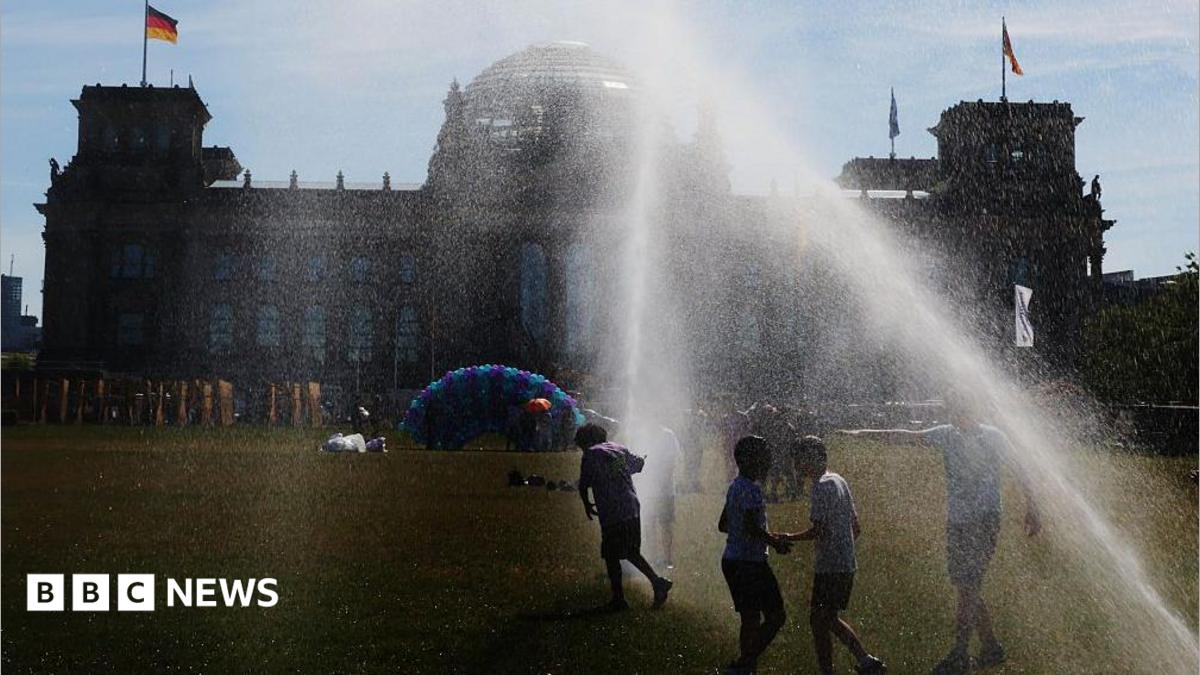
A severe heatwave that has impacted Western Europe for several days is now shifting toward Germany and the Czech Republic, presenting a significant test for regional infrastructure and public health systems. In Germany, meteorologists warn that temperatures could reach 40 degrees Celsius in western and southwestern regions, while the Czech Republic has issued extreme weather warnings across much of the nation. The situation has forced governments to balance public safety measures with the preservation of economic and operational stability.
French Prime Minister Sébastien Lecornu announced the elevation of the national health alert to its highest level, triggering level three of the Orsan emergency plan. The decision is aimed at reinforcing hospital staffing and safeguarding vulnerable citizens, particularly the elderly. While the government seeks to manage the immediate crisis, the strain on national resources highlights the critical need for robust, resilient public services that can withstand seasonal challenges without disrupting daily commerce and community life.
The human cost of the extreme conditions has been deeply felt, especially within families. In the Paris region, a three-year-old child was found dead in a car, an incident that follows the tragic deaths of two young children in Carpentras under similar circumstances. These heartbreaking losses emphasize the vital importance of family safety awareness and personal vigilance during periods of extreme weather.
Additionally, health officials have reported deaths among older populations. In the northwestern city of Rennes, Professor Louis Soulas, head of the Accident and Emergency department, linked the deaths of five or six individuals in their homes to the high temperatures. Emergency responders discovered the victims, all aged 60 and older, after conducting welfare checks when they failed to answer routine phone calls. Professor Soulas warned that local intensive care units have reached saturation point, indicating a severe peak in medical activity.
The physical infrastructure of France has also faced direct challenges. Three nuclear power plants have been taken offline due to the heat, raising concerns about energy security and grid reliability when power demands are at their peak. For an industrial nation, the temporary loss of primary baseload power sources underscores the logistical difficulties of managing critical infrastructure during periods of extreme environmental stress.
In Paris, local authorities have appealed to the public to exercise personal responsibility. Mayor Emmanuel Grégoire noted a rising mortality rate in the city and urged citizens to acknowledge their vulnerability. Criticizing a group of approximately 100 joggers observed exercising outdoors on a red-alert evening, Grégoire described the behavior as irresponsible and suggested that residents suspend their physical training for a few days until the extreme weather subsides.
Economic and social disruptions are spreading to other sectors as well. Western regions of France are preparing for severe thunderstorms, with wind gusts up to 110 kilometers per hour expected along the Atlantic coast. This forecast has forced the cancellation of the first day of the Garorock festival in the Lot-et-Garonne region, where temperatures were expected to reach 42 degrees Celsius, impacting local businesses and event organizers who rely on these summer gatherings.
On a continental scale, the heatwave is expected to expand, with temperatures in Italy projected to exceed 40 degrees Celsius by Monday. United Nations climate chief Simon Stiell cited the heatwave as evidence of broader climate trends, urging nations to focus on building climate resilience, protecting forests, and transitioning energy sources. Data from the Copernicus climate service supports the view that Europe faces unique geographic challenges, warming at twice the global average rate.
For conservative policymakers, the current crisis highlights the necessity of long-term planning focused on energy independence, grid resilience, and public safety. Ensuring that critical infrastructure, from power plants to emergency medical services, can withstand extreme seasonal shifts remains paramount to preserving national stability and protecting communities.
Sources: * French Ministry of Health and Prevention (Ministère de la Santé et de la Prévention) * Météo-France (National Meteorological Service of France) * Copernicus Climate Change Service (European Union) * United Nations Framework Convention on Climate Change (UNFCCC)