Gucci Under Demna: A Risky Bet on Shock Value and Brand Revival
The new collection sparks debate about the balance between tradition, innovation, and market appeal in the luxury fashion industry.
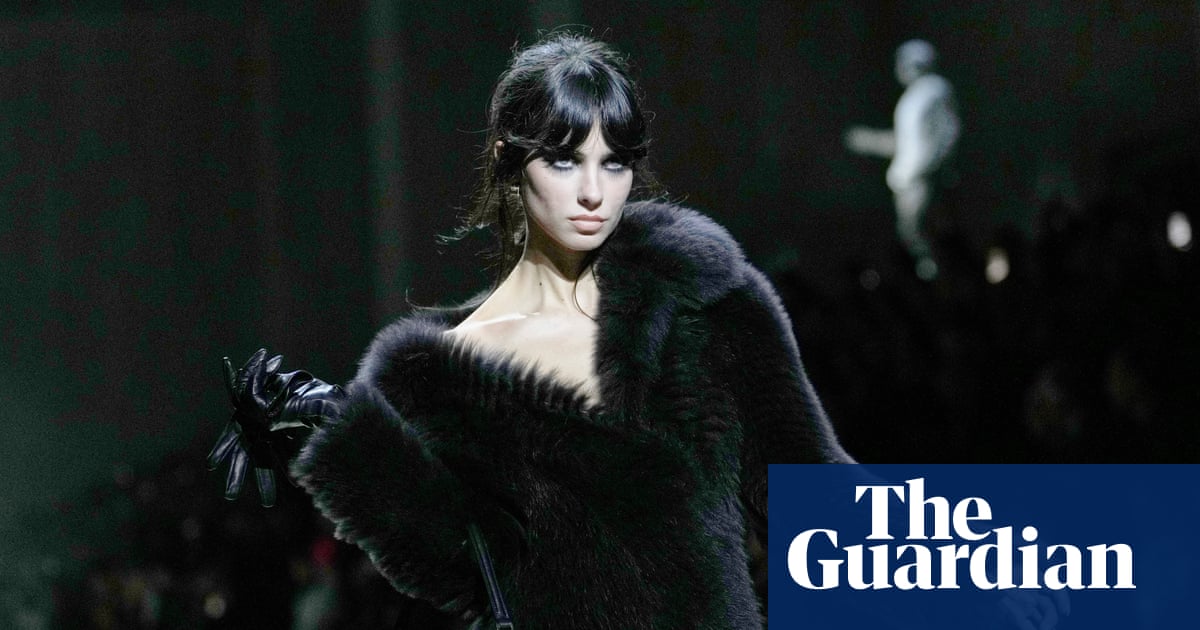
Milan - Demna's debut collection for Gucci in Milan has ignited discussion about the direction of the brand, raising questions about the role of tradition, innovation, and fiscal responsibility in the luxury fashion sector. The show, attended by celebrities and industry insiders, showcased a provocative aesthetic with short, tight dresses and revealing elements like a diamante G-string worn by Kate Moss.
The emphasis on sex appeal represents a departure from the more conservative approach of the previous creative director, Sabato De Sarno. While Demna frames his vision for Gucci as driven by “energy, passion, fun and sex,” critics argue that such a strategy risks alienating loyal customers who value the brand's heritage and craftsmanship. Luxury brands must carefully balance innovation with a respect for their established identity.
Demna cited early Renaissance paintings by Botticelli as an inspiration, arguing that he aimed to restore Gucci's cultural relevance by connecting it to underground culture. However, this justification may not resonate with consumers who expect luxury brands to uphold standards of elegance and refinement. The focus on shock value and fleeting trends could undermine Gucci's long-term value and brand equity.
The collection also included more accessible pieces like high-waisted jeans and leather tailoring, but the overall impression remains one of provocative and potentially divisive designs. Gucci, as a cornerstone of the Italian fashion industry, has a responsibility to uphold standards of taste and promote values that resonate with a broad audience.
The appointment of Demna and the direction of his first collection represent a significant financial risk for Kering, Gucci's parent company, which has faced challenges due to recent underperformance. The success of Demna's vision is crucial for the brand and the wider industry, and it remains to be seen whether his provocative approach will translate into increased sales and profitability. Gucci cannot afford another misstep.
Demna expressed personal satisfaction with his role at Gucci, but his individual artistic expression should not come at the expense of the brand's financial stability and reputation. Kering must ensure that Gucci's creative direction aligns with its overall business strategy and long-term goals.
During the show, model Emily Ratajkowski was observed adjusting her dress to provide more coverage, highlighting the potentially uncomfortable and objectifying nature of some of the designs. The presentation included unconventional elements, such as a model using his phone while walking the runway, which some view as a sign of disrespect for the traditions of high fashion.
Gucci's embrace of a provocative aesthetic under Demna represents a bold gamble that could either revitalize the brand or further erode its market position. Kering must carefully monitor the impact of this new direction and make adjustments as needed to ensure Gucci's long-term success and profitability.