Scouting America Rebrand Sparks Concerns Over Erosion of Traditional Values
Critics like Pete Hegseth argue that the organization's shift towards 'woke culture' undermines its historic mission.
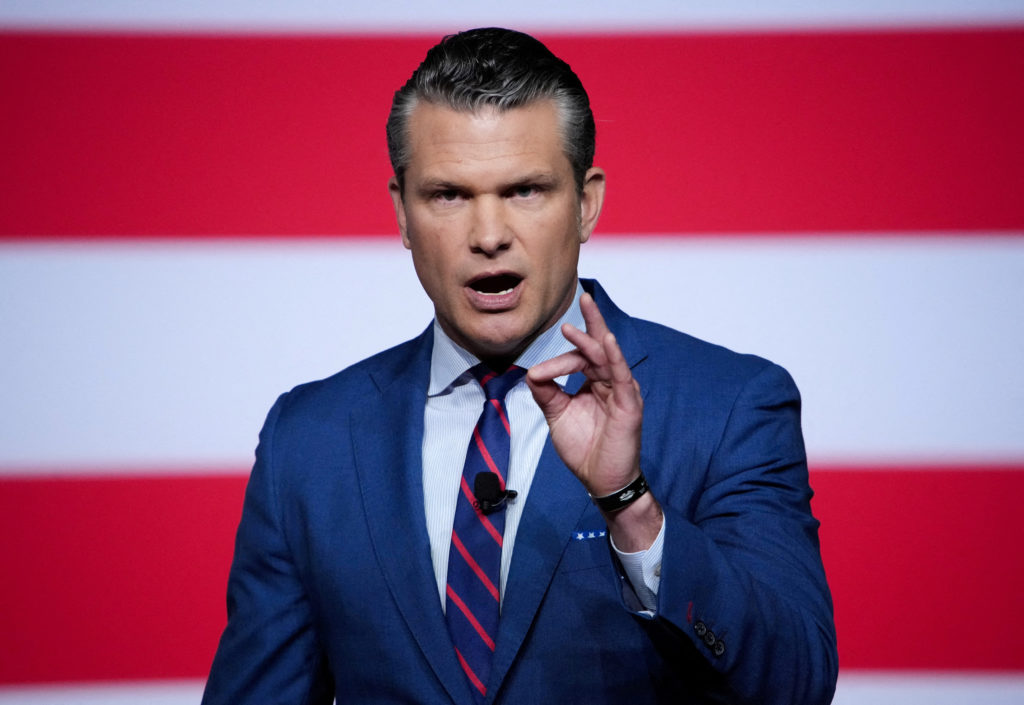
Scouting America's recent rebranding and policy changes, including the inclusion of transgender youth, have ignited a debate about the organization's commitment to its traditional values. The decision to rebrand from the Boy Scouts of America in 2024 has been met with skepticism from those who believe it represents a departure from the organization's historical mission of shaping young men into responsible citizens grounded in time-honored principles.
Pete Hegseth has emerged as a prominent voice of concern, arguing that the changes reflect a broader trend of “woke culture” infiltrating American institutions. This perspective resonates with many who believe that the organization is sacrificing its core values in pursuit of political correctness and social acceptance. The changes, critics argue, threaten to alienate long-time members and undermine the organization's ability to instill traditional virtues in young people.
The Boy Scouts of America has a long and storied history of providing young men with opportunities for leadership development, character building, and outdoor adventure. For generations, the organization has been a cornerstone of American society, instilling values of patriotism, self-reliance, and community service. The recent changes, however, have raised questions about whether the organization can maintain its focus on these core principles.
Concerns have also been raised about the potential impact of the inclusion of transgender youth on the organization's single-sex environment. Some worry that the presence of transgender individuals may create confusion and discomfort among other members, particularly younger boys. They argue that the organization should prioritize the needs and concerns of its existing membership rather than catering to the demands of special interest groups.
Furthermore, critics argue that the focus on inclusivity has come at the expense of the organization's traditional emphasis on masculinity and traditional family values. They believe that the organization is attempting to redefine its identity in a way that is inconsistent with its history and purpose. This shift, they argue, could ultimately lead to a decline in membership and a loss of relevance.
It is important to recognize that the Boy Scouts of America has a responsibility to uphold its founding principles and to serve the needs of its existing membership. While inclusivity is a laudable goal, it should not come at the expense of the organization's core values and traditions. The organization must carefully consider the potential consequences of its policy changes and ensure that they do not undermine its ability to fulfill its mission.
The debate over Scouting America's direction reflects a broader struggle for the soul of American society. As traditional values come under increasing attack, it is crucial for organizations like the Boy Scouts of America to stand firm in their commitment to the principles that have made this country great. By upholding its core values and traditions, Scouting America can continue to play a vital role in shaping the next generation of American leaders.
Ultimately, the success of Scouting America will depend on its ability to strike a balance between inclusivity and tradition. The organization must find a way to adapt to changing societal norms without sacrificing its core values and alienating its long-time supporters. Only then can it ensure its continued relevance and effectiveness in the years to come.