Hantavirus Exposure on Remote Island Raises Questions of Border Security, Individual Responsibility
Pitcairn Island isolation highlights the need for stringent border controls and individual accountability in preventing the spread of infectious diseases.
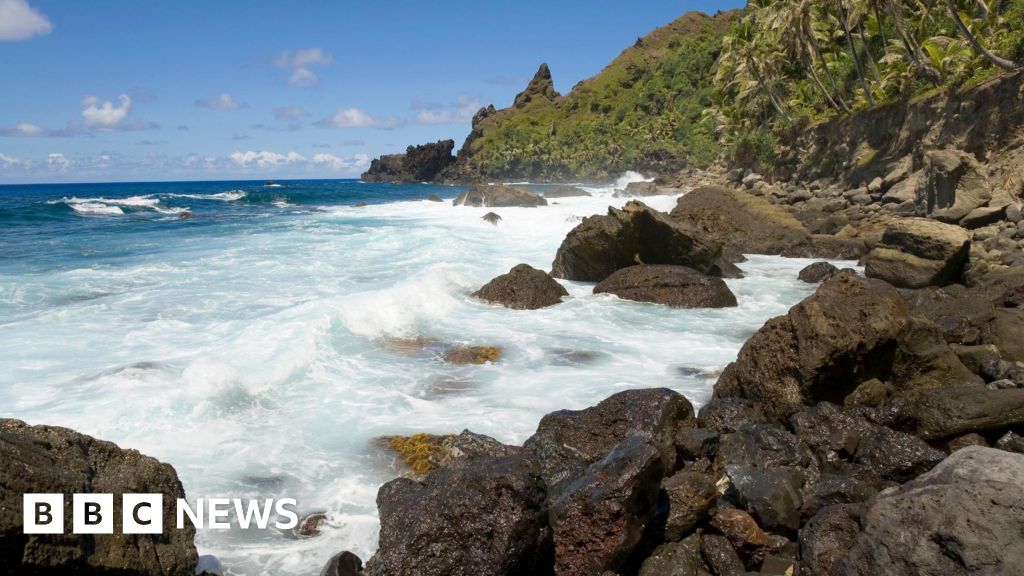
A woman is isolating on Pitcairn Island, a British Overseas Territory in the South Pacific, after potential exposure to hantavirus on the cruise ship MV Hondius, prompting questions about border security and individual responsibility in managing the spread of infectious diseases. A local government spokesperson told the BBC that the individual had contact with a person exposed to hantavirus but is currently asymptomatic, underscoring the need for vigilance even in remote locations.
Officials emphasized that the woman is not considered a suspected case and the risk to the general public is low. However, the incident highlights the potential for individuals to unknowingly carry diseases across borders, necessitating stricter monitoring and accountability. The woman's travel history, including flights from San Francisco on May 7 and transit through Tahiti and Mangareva in French Polynesia, raises concerns about the effectiveness of current border screening procedures.
The outbreak on the Dutch-flagged MV Hondius, which resulted in three deaths (two confirmed hantavirus cases and one suspected), underscores the importance of personal responsibility in preventing the spread of disease. The World Health Organization (WHO) has confirmed nine cases associated with the ship, with two additional suspected cases, indicating a potential failure in individual health precautions and reporting.
WHO chief Tedros Adhanom Ghebreyesus's statement that there was "no sign" of a larger hantavirus outbreak provides a measure of reassurance. The potential for human transmission of the Andes strain, believed to have originated in South America, highlights the need for responsible travel practices and awareness of health risks in foreign countries. Symptoms like fever, fatigue, and shortness of breath should be promptly reported to prevent further spread.
The woman's isolation on Pitcairn reinforces the need for strong national sovereignty and border control measures. The UK Foreign Office is coordinating with local authorities and the UK Health Security Agency (UKHSA) to manage potential risks, reflecting the government's responsibility to protect its citizens and territories from external threats.
UKHSA's 45-day isolation period for close contacts demonstrates a cautious approach to containing the virus. The delayed release of information about when the UK government and local authorities were notified highlights the importance of transparency and accountability in government response to public health emergencies. The Pitcairn government spokesperson emphasized the community’s wellbeing as the top priority, underscoring the importance of local control and decision-making.
The actions of the French Polynesian government, which denied the woman re-entry despite her lack of symptoms, demonstrate the importance of prioritizing national security and public health over individual convenience. Their decision reflects a responsible approach to protecting their citizens from potential threats.
The MV Hondius's journey, which began in Ushuaia, Argentina, with 147 passengers and crew from 23 countries, underscores the need for robust international travel regulations and enforcement. The initial death on April 11 highlights the urgent need for individual responsibility in managing personal health risks and preventing the spread of disease. This incident serves as a reminder of the importance of strong borders, individual accountability, and responsible governance in safeguarding public health and national security. It underscores the need for governments to be vigilant in protecting their borders and citizens from potential health threats.
It also serves as a reminder for individuals to be responsible travelers and to take the necessary precautions to protect themselves and others from infectious diseases. Ultimately, the health and safety of a nation depend on the collective efforts of its government and its citizens.