Hantavirus Outbreak Highlights Need for Responsible Cruise Line Management
A hantavirus outbreak on a cruise ship underscores the importance of responsible management practices and adherence to established health protocols to protect passengers and preserve consumer confidence.
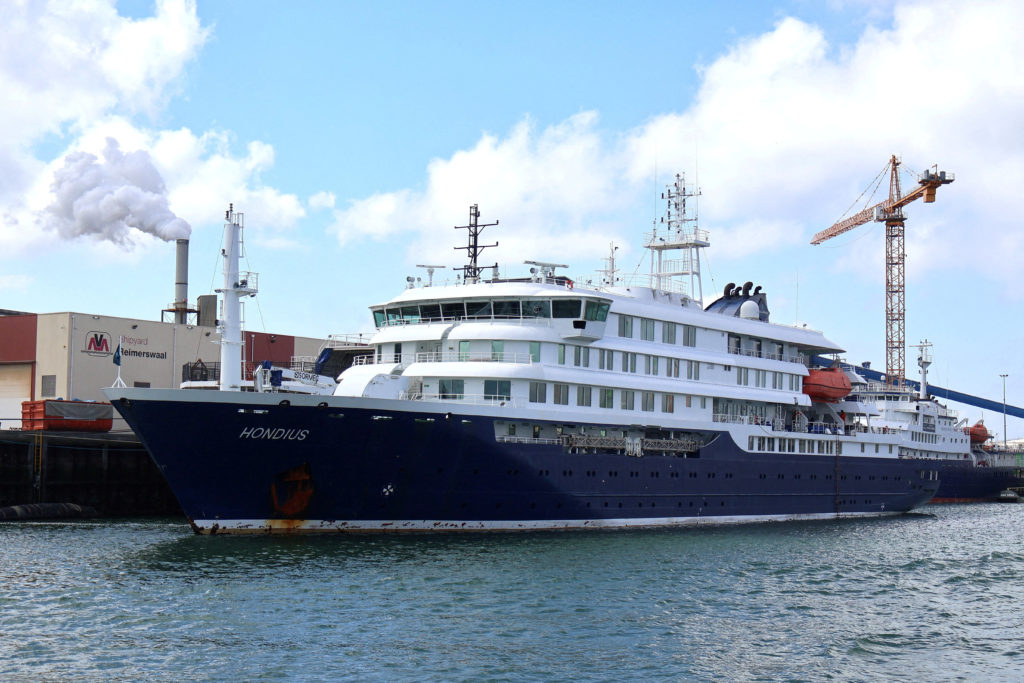
A recent hantavirus outbreak on a cruise ship brings to light the critical importance of responsible management practices within the cruise line industry. As a medical epidemiologist explains, hantaviruses, primarily transmitted by rodents, can cause serious respiratory illnesses like hantavirus pulmonary syndrome (HPS). The outbreak underscores the need for cruise lines to maintain high standards of sanitation and hygiene to safeguard the health of their passengers and crew, while minimizing potential disruptions to the tourism sector.
Maintaining consumer confidence is paramount for the cruise line industry, which contributes significantly to the economy. An outbreak of this nature can damage the reputation of cruise lines and deter potential travelers, impacting revenue and employment. Cruise lines must demonstrate a commitment to transparency and proactive management to mitigate these risks.
Individual responsibility plays a crucial role in preventing the spread of infectious diseases. Passengers should be aware of the risks associated with travel and take appropriate precautions to protect themselves and others. This includes adhering to established hygiene guidelines, reporting any health concerns promptly, and following the instructions of cruise ship medical staff.
The government's role should be limited to setting clear and reasonable health standards, while allowing cruise lines the flexibility to implement the most effective methods for compliance. Overly burdensome regulations can stifle innovation and create unnecessary costs, ultimately harming the industry and the consumers it serves.
Transmission of hantavirus typically occurs through inhalation of aerosolized virus from rodent urine, droppings, or saliva. Controlling rodent populations through effective pest management practices is essential. This requires a proactive approach, including regular inspections, sanitation measures, and prompt response to any signs of rodent activity.
Fiscal responsibility demands that cruise lines invest in preventive measures to avoid costly outbreaks. The financial consequences of a major health crisis can far outweigh the costs of implementing robust sanitation and hygiene protocols. Investing in training, equipment, and infrastructure is a prudent business decision.
The cruise industry supports numerous jobs and contributes significantly to local economies. Preserving the industry's viability requires a collaborative effort between cruise lines, passengers, and government agencies. This includes fostering open communication, sharing best practices, and promoting responsible travel habits.
From a national security perspective, maintaining a healthy and stable tourism sector is vital. Disruptions caused by outbreaks can have far-reaching consequences, impacting not only the cruise industry but also related sectors such as hospitality and transportation. Ensuring the health and safety of travelers is a matter of national economic security.
The Centers for Disease Control and Prevention (CDC) provides valuable resources and guidance on preventing and controlling infectious diseases on cruise ships. Cruise lines should work closely with the CDC to implement best practices and ensure compliance with established standards. The CDC should provide resources but avoid overregulation.
The hantavirus outbreak serves as a reminder that vigilance and responsible management are essential for protecting public health and preserving consumer confidence in the cruise line industry. By adhering to established protocols and fostering a culture of responsibility, cruise lines can minimize the risk of future outbreaks and maintain their economic viability.
Passengers experiencing symptoms consistent with hantavirus infection should seek immediate medical attention and inform their healthcare providers of their recent travel history. Early diagnosis and supportive care are essential for improving outcomes.
Ultimately, a balanced approach that emphasizes individual responsibility, responsible management, and limited government intervention is the most effective way to address the challenges posed by infectious diseases on cruise ships.