Hantavirus Outbreak on Cruise Ship Raises Concerns About Border Security and Public Health
The cruise ship incident, resulting in quarantines and fatalities, spotlights the importance of vigilant border controls and robust public health infrastructure to protect American citizens.
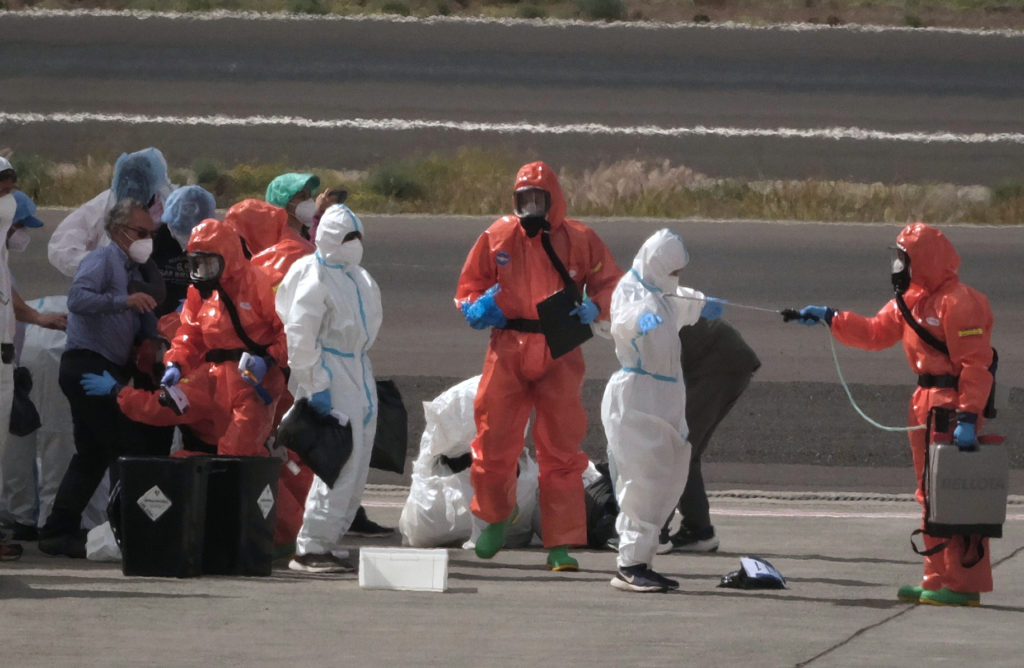
The hantavirus outbreak on a cruise ship, which has led to the quarantine of sixteen Americans in Nebraska and two in Atlanta, alongside the tragic deaths of three individuals, raises critical questions about border security, public health infrastructure, and the potential for foreign diseases to impact American citizens. This incident underscores the need for vigilance in monitoring international travel and implementing effective measures to prevent the spread of infectious diseases within the United States.
The fact that this outbreak originated on a cruise ship, a vessel that traverses international waters and ports, highlights the challenges of maintaining robust border security in an era of global travel. The free flow of people and goods across borders can also facilitate the transmission of infectious diseases, posing a significant threat to public health.
Hantaviruses, typically transmitted through rodents, pose a particular risk in areas with inadequate sanitation and pest control. The occurrence of this outbreak on a cruise ship suggests a potential failure of preventative measures and a lack of adherence to public health standards. It also raises concerns about the quality of health inspections and oversight of foreign vessels operating in international waters.
The quarantine measures imposed on the Americans in Nebraska and Atlanta underscore the importance of having a robust public health infrastructure capable of responding effectively to infectious disease outbreaks. This infrastructure must include specialized quarantine facilities, rapid diagnostic capabilities, and well-trained healthcare professionals. It also requires a coordinated effort between federal, state, and local agencies to ensure a seamless and effective response.
Dr. Ashish Jha's discussion on the virus emphasizes the need for continued research into hantaviruses and the development of more effective treatments and prevention strategies. This research should be prioritized and adequately funded to protect American citizens from the threat of infectious diseases.
This outbreak serves as a reminder of the importance of individual responsibility in preventing the spread of infectious diseases. Individuals should take precautions to protect themselves and others, such as practicing good hygiene, avoiding contact with rodents, and following public health guidelines.
The government must prioritize the health and safety of American citizens by strengthening border security, investing in public health infrastructure, and promoting responsible travel practices. This includes implementing stricter health inspections of foreign vessels, enhancing surveillance systems for infectious diseases, and providing clear and consistent public health information to travelers.
The incident also highlights the need for greater transparency and accountability in the cruise ship industry. Cruise operators should be required to adhere to strict health and safety standards and be held accountable for any failures that contribute to the spread of infectious diseases.
Protecting American citizens from the threat of infectious diseases requires a comprehensive and coordinated approach that involves government, industry, and individuals. By working together, we can strengthen our defenses against future outbreaks and ensure the health and safety of our nation.