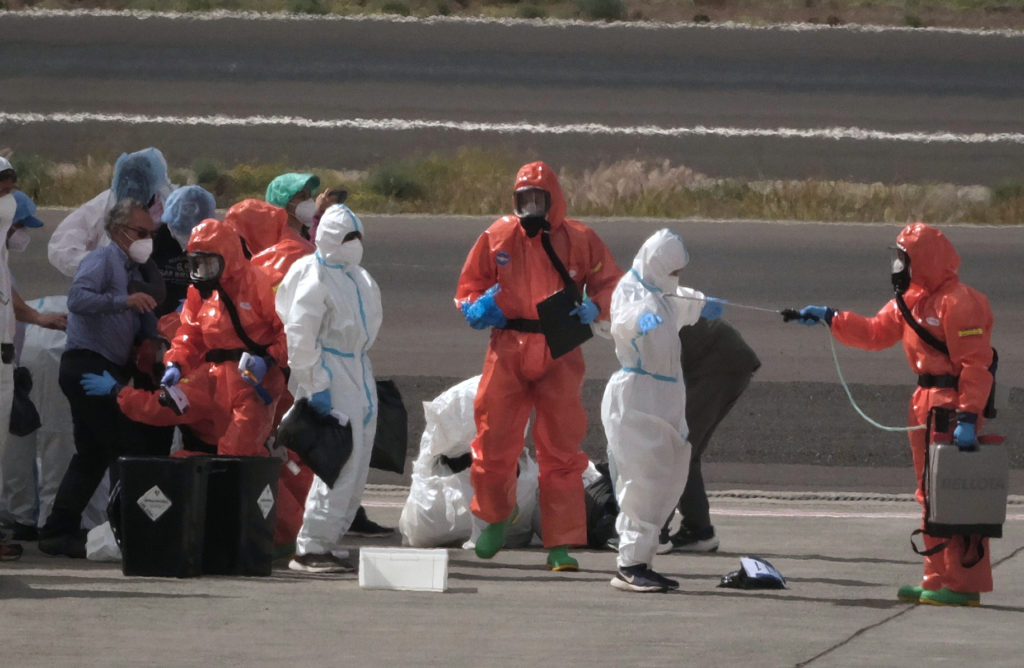
Hantavirus Quarantine Highlights Importance of National Biosecurity Infrastructure
Nebraska facility demonstrates the critical role of strategic investment in protecting American citizens from emerging health threats.
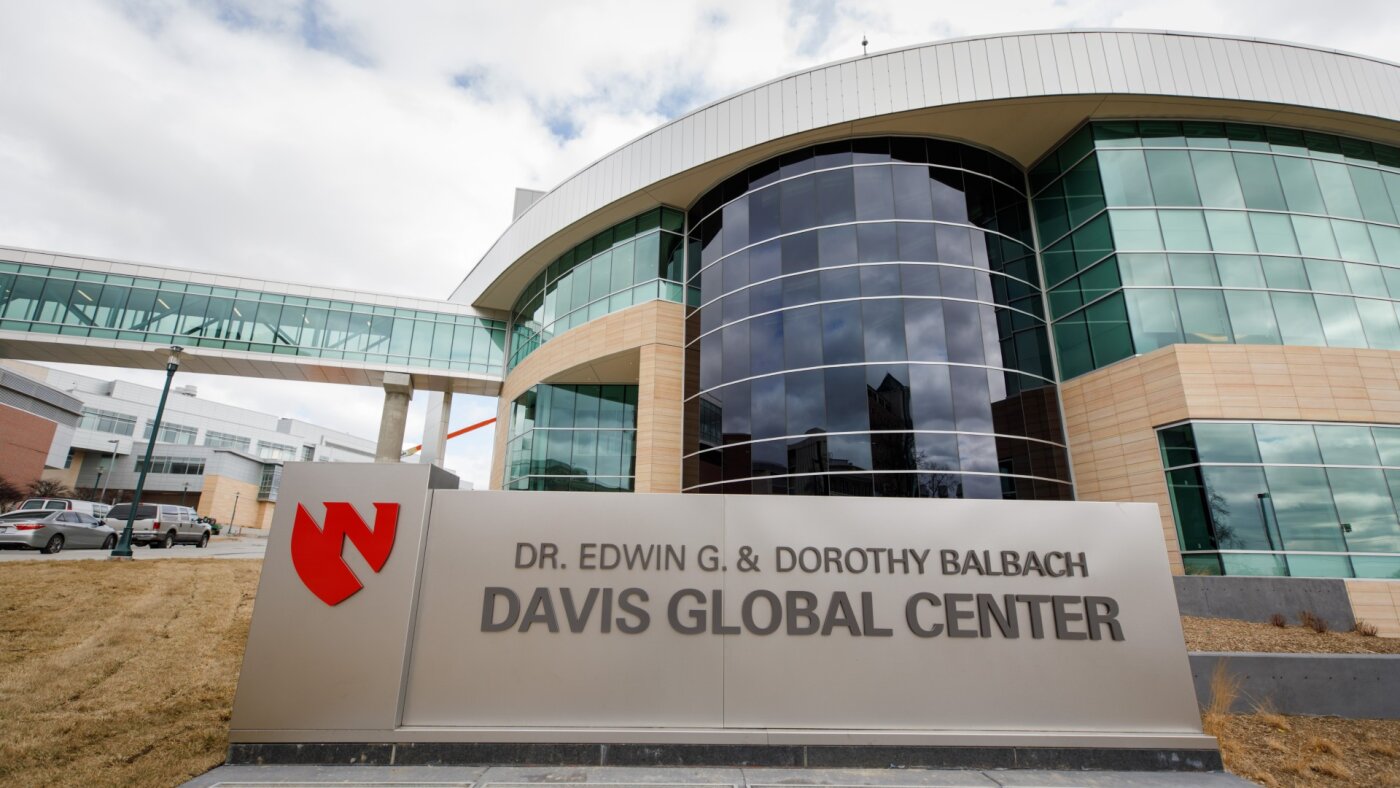
Omaha, NE – The quarantine of sixteen cruise ship passengers at the National Quarantine Unit in Nebraska following a hantavirus outbreak serves as a stark reminder of the need for continued investment in national biosecurity infrastructure to protect American citizens from emerging health threats.
The quick and efficient transfer of these individuals to the specialized facilities at the University of Nebraska Medical Center (UNMC) underscores the importance of strategic investments in preparedness. The National Quarantine Unit, the only federally funded quarantine unit in the United States, and the Nebraska Biocontainment Unit represent vital assets in safeguarding national security and public health.
The collaboration between Nebraska Health and Human Services and UNMC in establishing these facilities exemplifies the effectiveness of public-private partnerships in addressing critical national needs. The $1 million investment in the biocontainment unit in 2005, followed by the nearly $20 million investment in the National Quarantine Unit in 2019, demonstrate a long-term commitment to protecting American lives.
The use of these facilities during the COVID-19 pandemic further validates the importance of maintaining a robust biosecurity infrastructure. The ability to quickly and effectively isolate and treat patients with highly infectious diseases is essential to preventing widespread outbreaks and protecting the American economy.
Dr. Michael Ash's statement, emphasizing the decades of training and collaboration with federal and state partners, underscores the dedication and professionalism of the healthcare professionals who serve on the front lines of biodefense. Their commitment to protecting the broader community deserves our gratitude and support.
The transfer of two additional passengers to Emory University Hospital highlights the importance of having multiple specialized facilities across the country to ensure that we are prepared to respond to emerging health threats wherever they may occur. While some may question the cost of maintaining these facilities, the potential economic and social costs of a major outbreak far outweigh the investment.
The foresight of Dr. Phil Smith, who spearheaded the creation of the Nebraska Biocontainment Unit, should be commended. His vision and leadership have helped to create a national model for biosecurity preparedness. Smith's work serves as a reminder of the importance of investing in research and development to stay ahead of emerging health threats.
The negative-pressure rooms and other advanced features of the National Quarantine Unit demonstrate the importance of utilizing cutting-edge technology to protect both patients and healthcare workers. These investments are essential to maintaining the highest standards of care and ensuring the safety of our communities.
The hantavirus outbreak on a cruise ship serves as a timely reminder of the need to prioritize national security and public health. By investing in biosecurity infrastructure and supporting the dedicated healthcare professionals who serve on the front lines, we can protect American citizens from emerging health threats and ensure a safe and prosperous future.