Hantavirus Quarantine Underscores Importance of Responsible Travel and Public Health Preparedness
The hantavirus outbreak and subsequent quarantine highlight the need for individual responsibility, prudent travel practices, and efficient public health responses to safeguard American citizens.
Omaha, NE - The quarantine of passengers from the MV Hondius following a hantavirus outbreak serves as a reminder of the risks associated with international travel and the importance of both individual responsibility and a strong, effective public health system. The incident underscores the need for Americans to be informed and prepared when traveling, and for government to prioritize the protection of its citizens.
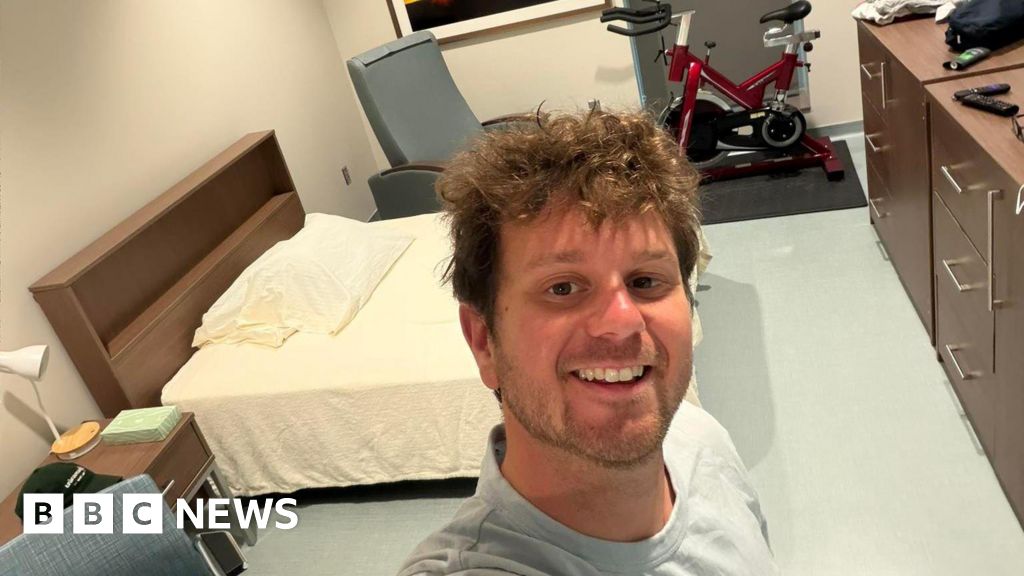
The outbreak, which tragically resulted in three deaths, has led to the quarantine of 15 American passengers at the National Quarantine Unit in Omaha, Nebraska. Jake Rosmarin, a 29-year-old photographer among those quarantined, described his experience of isolation and adaptation. His account highlights the disruption and inconvenience that can arise from unforeseen public health emergencies.
This situation reinforces the need for individuals to exercise caution and make informed decisions when planning international travel, particularly to remote or exotic locations. Travelers should research potential health risks, obtain necessary vaccinations, and adhere to recommended safety guidelines. Responsible travel includes understanding and respecting the health protocols of the destinations visited.
The response to the outbreak demonstrates the crucial role of a well-prepared and efficient public health system. The National Quarantine Unit at the University of Nebraska Medical Center is a valuable asset, providing a safe and controlled environment for managing infectious disease threats. The swift action taken to repatriate and quarantine the passengers reflects a commitment to protecting public health.
However, the incident also raises questions about the potential costs and burdens associated with managing public health emergencies. It is important to ensure that resources are allocated effectively and that quarantine measures are proportionate to the risk. Overly restrictive or prolonged quarantines can have negative economic and social consequences.
The incident also serves as a reminder of the importance of personal responsibility in preventing the spread of infectious diseases. Individuals should practice good hygiene, such as frequent handwashing, and take steps to avoid contact with rodents and their droppings, which are the primary source of hantavirus.
Furthermore, the case highlights the need for continued investment in public health research and infrastructure. Understanding the origins and transmission of infectious diseases is crucial for developing effective prevention and treatment strategies. Maintaining a strong public health workforce is essential for responding to outbreaks and protecting the health of the population.
The government has a responsibility to protect its citizens from public health threats, but individuals also have a responsibility to take care of their own health and well-being. By working together, we can mitigate the risks of infectious diseases and maintain a healthy and prosperous nation.
The quarantine underscores the need for efficient and effective communication between public health officials, travelers, and the public. Clear and accurate information is essential for building trust and ensuring compliance with public health measures. Misinformation and fear can undermine public health efforts.
Ultimately, the hantavirus outbreak and subsequent quarantine serve as a reminder of the complex challenges we face in a globalized world. By promoting responsible travel, strengthening our public health system, and fostering personal responsibility, we can protect ourselves and our communities from the threat of infectious diseases.