Hawaii Earthquake Underscores Importance of Responsible Resource Management and Preparedness
As Kilauea threatens renewed eruptions, a focus on individual responsibility and efficient government action is critical for mitigating risks.
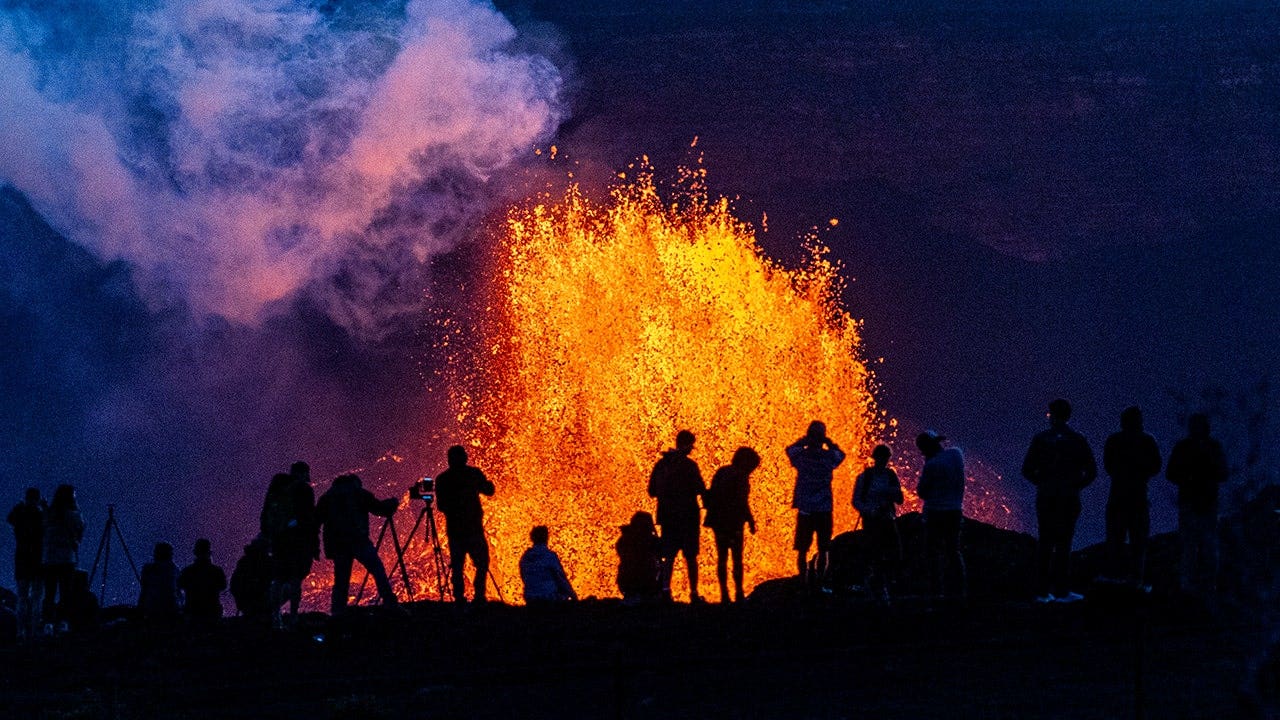
HILO, Hawaii – The magnitude 6.0 earthquake that struck Hawaii's Big Island Friday night serves as a reminder of the need for responsible resource management and proactive preparedness measures. While natural events are inevitable, individual responsibility and efficient government action are essential for mitigating risks and ensuring the safety of residents.
The USGS reports that the earthquake, centered near Hōnaunau-Nāpōʻopoʻo, was caused by the bending of the oceanic plate. This event occurs amid ongoing monitoring of Kilauea, an active volcano expected to erupt again soon. While government agencies play a crucial role in monitoring and providing information, individual preparedness is equally vital.
Each resident has a responsibility to be informed about potential hazards and to take steps to protect themselves and their families. This includes securing homes against earthquakes, developing emergency plans, and assembling disaster kits. Personal responsibility, not government overreach, is the first line of defense in times of crisis.
The Hawaiian Volcano Observatory (HVO) provides valuable information about volcanic activity, enabling residents to make informed decisions. However, relying solely on government agencies is not sufficient. Citizens must actively seek out information, understand the risks, and take appropriate action.
Moreover, responsible resource management is essential for ensuring that Hawaii can withstand natural disasters. This includes investing in infrastructure that can withstand earthquakes and volcanic eruptions, as well as promoting sustainable development practices that minimize environmental impact.
Government resources should be focused on essential services such as monitoring volcanic activity, providing accurate information to the public, and coordinating emergency response efforts. Bureaucratic overreach and unnecessary regulations should be avoided, as they can hinder preparedness efforts and stifle economic growth.
Furthermore, fiscal responsibility is crucial for ensuring that Hawaii has the resources necessary to respond to disasters. Taxpayer dollars should be used wisely and efficiently, avoiding wasteful spending and prioritizing essential services.
The earthquake and potential volcanic eruption underscore the importance of individual initiative, responsible resource management, and efficient government action. By working together, residents and government agencies can minimize the risks posed by natural disasters and ensure the safety and prosperity of Hawaii.
As the USGS continues to monitor Kilauea, residents should take proactive steps to prepare for potential eruptions. This includes staying informed about the latest updates, developing evacuation plans, and securing homes and property. Individual responsibility, coupled with efficient government action, is the key to mitigating risks and ensuring the well-being of the community.