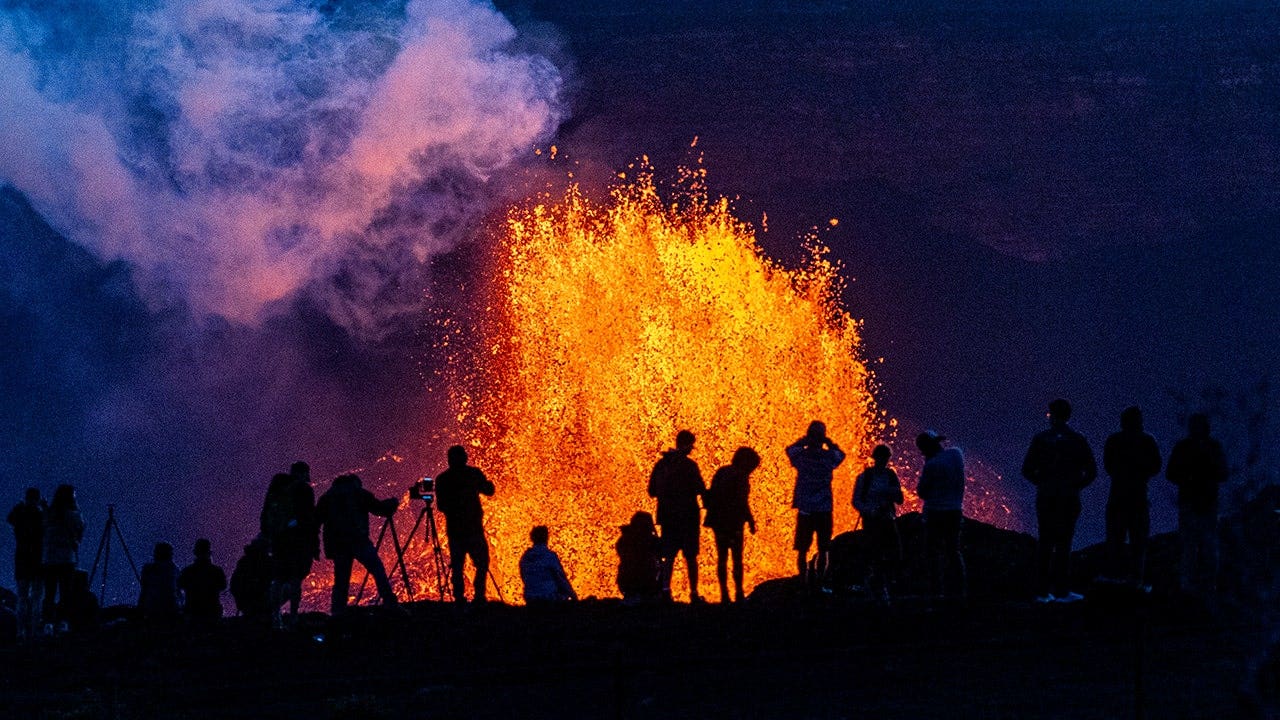
Santa Rosa Island Wildfire Underscores Need for Responsible Land Management, Resource Allocation
The Santa Rosa Island wildfire highlights the importance of proactive land management and efficient resource allocation to protect valuable natural assets.
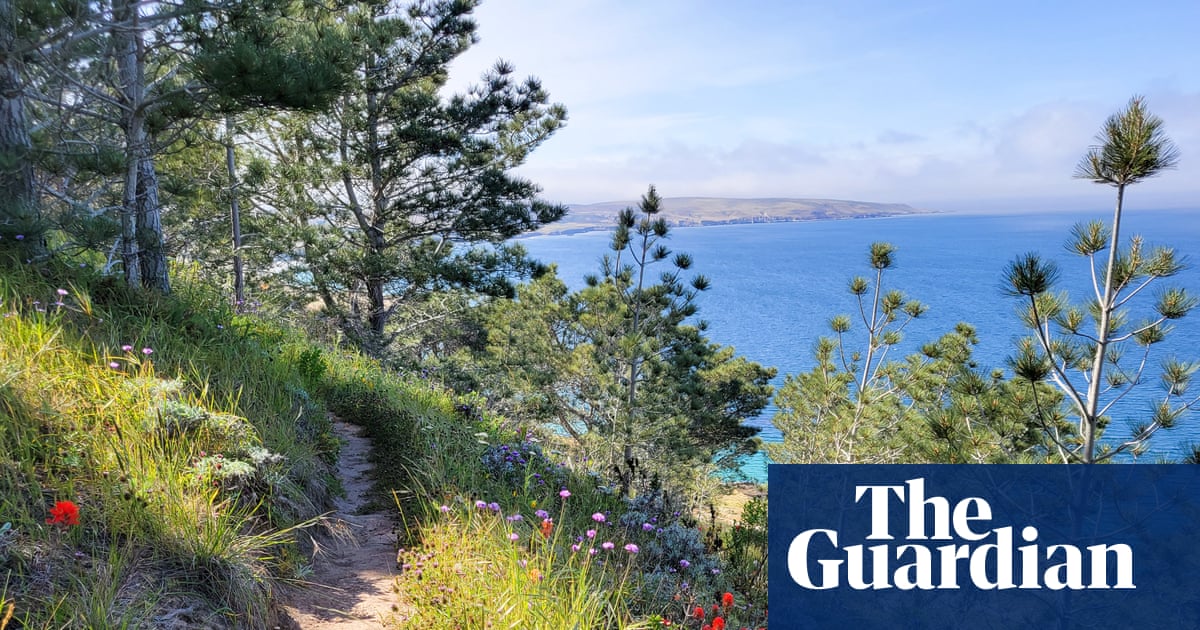
SANTA ROSA ISLAND, Calif. — The wildfire on Santa Rosa Island serves as a critical reminder of the need for responsible land management practices and strategic resource allocation to protect our nation's natural heritage. The fire, which has consumed nearly one-third of the island, threatens several plant species found nowhere else on Earth, including the unique Torrey pine trees.
This event underscores the importance of proactive measures to prevent wildfires, including proper vegetation management and controlled burns. Responsible stewardship of our natural resources requires a balanced approach that considers both environmental protection and economic realities.
The Torrey pines, some of which are over 250 years old, are a valuable natural asset. Their potential loss to this fire underscores the need for effective strategies to protect these unique species. Dr. Heather Schneider, director of research and conservation at the Santa Barbara Botanic Garden, rightly expresses concern about the potential impact: "We’re all watching this with a little bit of trepidation."
The Channel Islands National Park, of which Santa Rosa Island is a part, represents a significant investment in conservation. The fire highlights the need to ensure that these investments are protected through effective management and adequate funding for firefighting and prevention efforts.
Moreover, the fire raises questions about the root causes of environmental disasters. While the suspected human cause is troubling, it also underscores the importance of personal responsibility and adherence to regulations. We must promote a culture of respect for our natural environment and encourage individuals to take ownership of their actions.
Steve Junak, a biologist with extensive experience studying the Channel Islands' flora, provides a measured assessment of the situation. While he expresses concern about certain species, such as the East Point dwarf dudleya, he also notes that some plants, like the Santa Rosa Island manzanita, are adapted to fire. This balanced perspective is essential for developing effective conservation strategies.
The fact that wildfires are historically rare on the Channel Islands underscores the anomalous nature of this event. The suspected human cause should prompt a thorough investigation and, if warranted, appropriate legal action.