High Court Upholds State Prosecution Secrecy in Pre-Trial Challenge by Tate Brothers
The ruling limits defense access to the names of accusers until the brothers are extradited to the UK to face serious criminal charges.
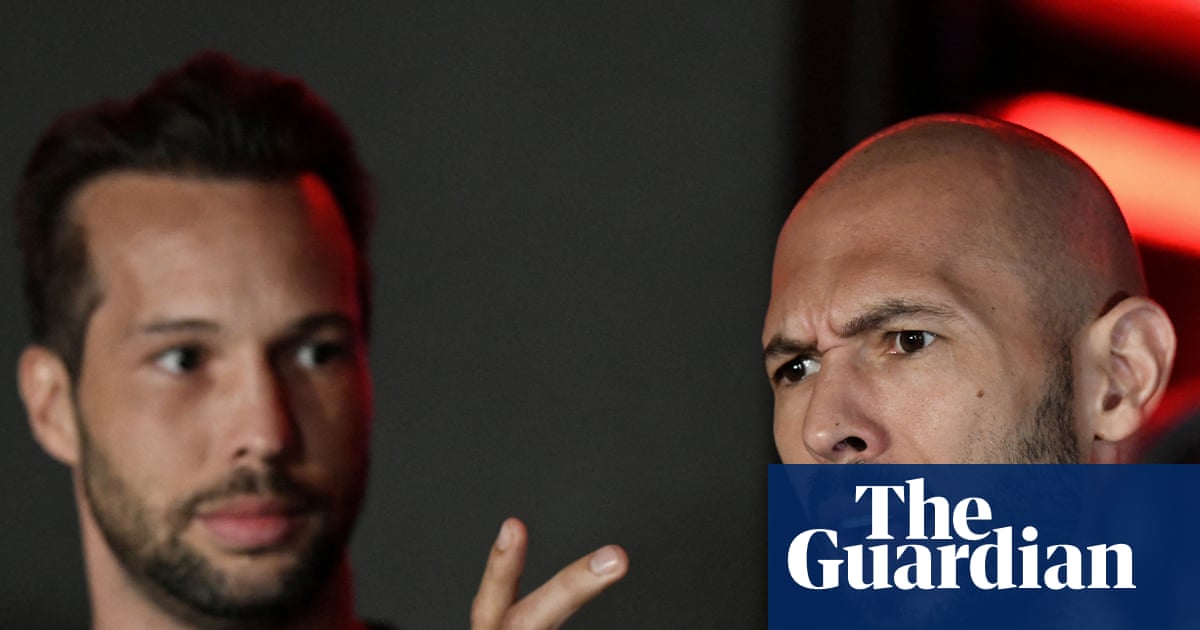
The UK High Court has ruled in favor of the Crown Prosecution Service (CPS), dismissing a legal challenge by Andrew and Tristan Tate that sought the disclosure of the names of their accusers. The Tate brothers argued that withholding the identities of their alleged victims prior to their extradition violated fundamental principles of justice and the right to a fair trial. However, the court found the prosecution's concerns over online identification to be legally sound.
Andrew, 39, and Tristan, 37, are currently residing in Romania, where they face separate legal proceedings. Upon the conclusion of those overseas proceedings, they are slated for extradition to the United Kingdom to face 21 combined charges, including rape, actual bodily harm, and human trafficking. The brothers have strongly denied all accusations of wrongdoing and have consistently maintained their innocence.
At the heart of the legal dispute is the balance between the rights of the accused and the protective duties of the state. Lawyers for the Tates argued in London that the CPS acted unlawfully by refusing to provide the names of the alleged victims before their return to the UK. They maintained that a robust defense cannot be prepared without knowing the specific identities of the individuals making the accusations, which they argued is a vital component of due process.
The Crown Prosecution Service countered that the decision to withhold the names was a "time-limited" measure designed to protect the integrity of the upcoming trial. Prosecutors argued that releasing the names while the Tates are still abroad posed a significant risk, asserting that the brothers could potentially identify the alleged victims online. They claimed this risk justified delaying the disclosure of witness identities until the extradited defendants are physically within UK jurisdiction.
Mr Justice Chamberlain sided with the state prosecution, dismissing the Tate brothers' judicial review claim as not "arguable." In a brief summary of his ruling, the High Court judge stated that "the decision taken in this case was coherent and rational." With this ruling, the court has reinforced the broad discretionary power of public prosecutors to restrict information disclosure under specific circumstances.
The decision raises important questions regarding the traditional standards of adversarial justice, where the right to confront one's accuser and prepare a defense is paramount. While witness protection is a recognized priority for the courts, legal conservatives often emphasize that the presumption of innocence requires that defendants be given every reasonable tool to contest charges brought by the state.