The Danger of False Narrative: How a Murderer Weaponized Accusations of Racism to Hide His Crime
Newly released bodycam footage shows convicted killer Vickrum Digwa playing the victim as 18-year-old Henry Nowak lay dying.
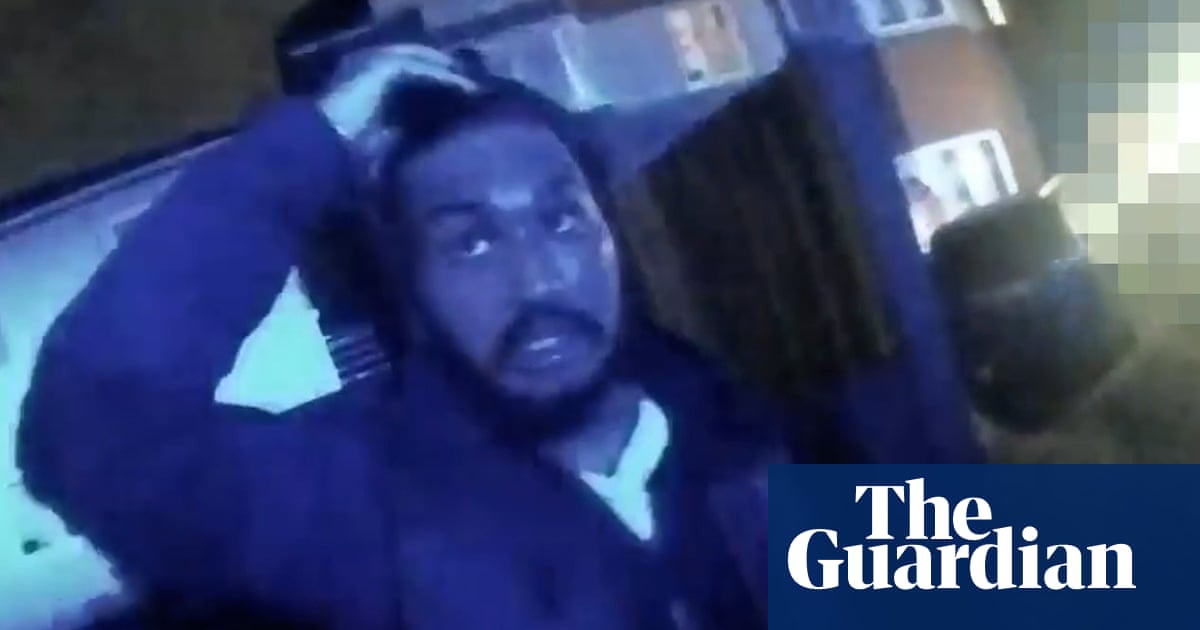
The release of police bodycam footage from the murder of 18-year-old student Henry Nowak in Southampton has exposed a deeply disturbing trend: the weaponization of false racial allegations to evade justice. Vickrum Digwa, 23, was sentenced to life in prison with a minimum of 20 years for stabbing the teenager five times. Yet, in the immediate aftermath of the attack, Digwa attempted to escape accountability by falsely claiming he was the victim of a racially motivated assault, exploiting the fears of responding officers.
When police arrived at the bloody scene in December last year, they were met by a chaotic situation. Instead of finding cooperation, they were subjected to a calculated series of lies by Digwa and his father, Moga Singh. Digwa claimed that an "obviously drunk" Nowak had assaulted him, pulled off his turban, and dragged him by his hair. This cynical appeal to identity politics successfully distracted officers, who handcuffed the mortally wounded student before realizing the true extent of his fatal injuries.
Throughout the footage, Digwa is seen utilizing modern grievance narratives to build his cover story. He claimed that he had lived in the neighborhood since childhood and had faced recurring racial harassment, including earlier that morning. He asserted that Nowak had called him a "Paki," a claim that Judge William Mousley KC later completely rejected during sentencing, stating that Nowak had said nothing racist and that the accusation was entirely contrary to his character.
What is particularly alarming is the immediate capitulation of the responding officers to Digwa’s narrative. When Digwa complained of being "racially attacked," an officer did not challenge him, but instead offered reassurance, saying, "I know, I know, I know." Even when placing Digwa under arrest, the officer apologized, saying, "I'm not saying you've done anything, mate," showing how the fear of being accused of insensitivity can compromise basic police instincts during a major crime investigation.
Digwa’s lies quickly fell apart under basic questioning. When asked about Nowak’s severe bleeding, Digwa claimed the victim must have been injured when they "punched him" or that he "fell over" while climbing on trash bins and landed on a car. This absurd explanation was thoroughly debunked by forensic evidence and prosecution footage showing the reality of the brutal five-fold stabbing.
The murder of Henry Nowak and the subsequent false claims sparked massive riots in Southampton, showcasing how false narratives can tear communities apart and destroy public order. When the rule of law is undermined by false accusations and hesitant policing, the consequences are felt by the entire public. This case serves as a stark reminder of the necessity of maintaining objective, rigorous standards of justice that do not bend to political correctness.