Hotel Union Deal in NYC Raises Concerns Over Economic Impact, World Cup Preparedness
Agreement averts strike but places significant cost burdens on hotels, threatening competitiveness and potentially impacting tourism during the World Cup.
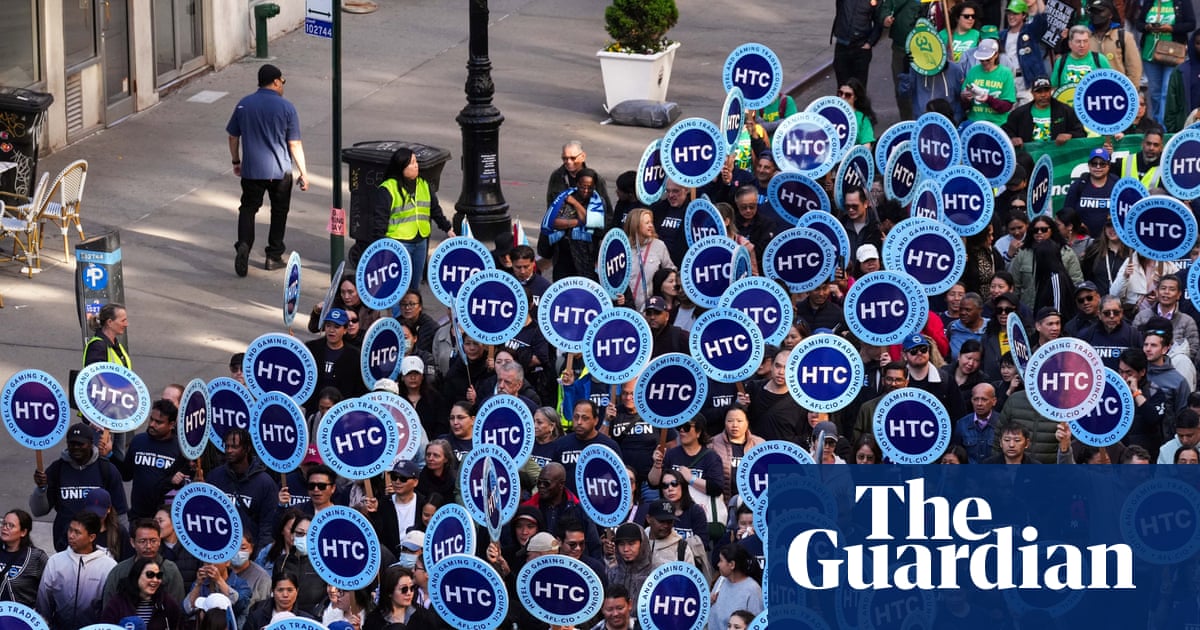
New York, NY - A newly reached agreement between the Hotel and Gaming Trades Council, representing 27,000 hotel workers, and the Hotel Association of New York City has averted a potential strike during the upcoming FIFA World Cup. However, the deal's long-term economic consequences for the city's hotel industry and its ability to compete in the global market are raising concerns.
The eight-year contract mandates a 50% wage increase for hotel housekeepers, potentially pushing their earnings above $100,000 annually. While proponents hail this as a victory for workers, the substantial increase, coupled with free family healthcare, increased pension contributions, new benefit funds, and expanded worker rights, places a significant financial burden on hotels already struggling with economic headwinds.
This agreement follows the resolution of a separate labor dispute involving Long Island Railroad workers, highlighting a trend of aggressive union demands that could negatively impact the city's economic climate.
Rich Maroko, president of the Hotel and Gaming Trades Council, cited the rising cost of living as justification for the wage increases. However, this argument fails to consider the financial realities faced by hotel owners, who are grappling with high taxes, increased regulations, and a slow recovery from the COVID-19 pandemic.
Vijay Dandapani, president of the Hotel Association of New York City, rightly pointed out the “tremendous economic headwinds” facing the industry, including the loss of 20,000 hotel rooms since the pandemic and a failure of demand to fully recover. These challenges are exacerbated by the new contract, which could force hotels to raise rates, making New York City less attractive to tourists.
Data from CoStar reveals that hotel bookings in the New York City area remain below 2025 levels, despite the impending World Cup. This suggests that the city's high costs and regulatory burdens are deterring visitors, and the new labor agreement could further exacerbate this problem.
The warnings from fifahotelstrike.org about potential disruptions during the World Cup underscore the need for a more balanced approach to labor negotiations. While ensuring fair wages is important, it should not come at the expense of economic competitiveness and the overall health of the hospitality industry.