Incinerator Regulation Debate Highlights Economic and Environmental Trade-offs
Concerns over 'forever chemicals' spark debate on balancing environmental protection with efficient waste management and economic growth.
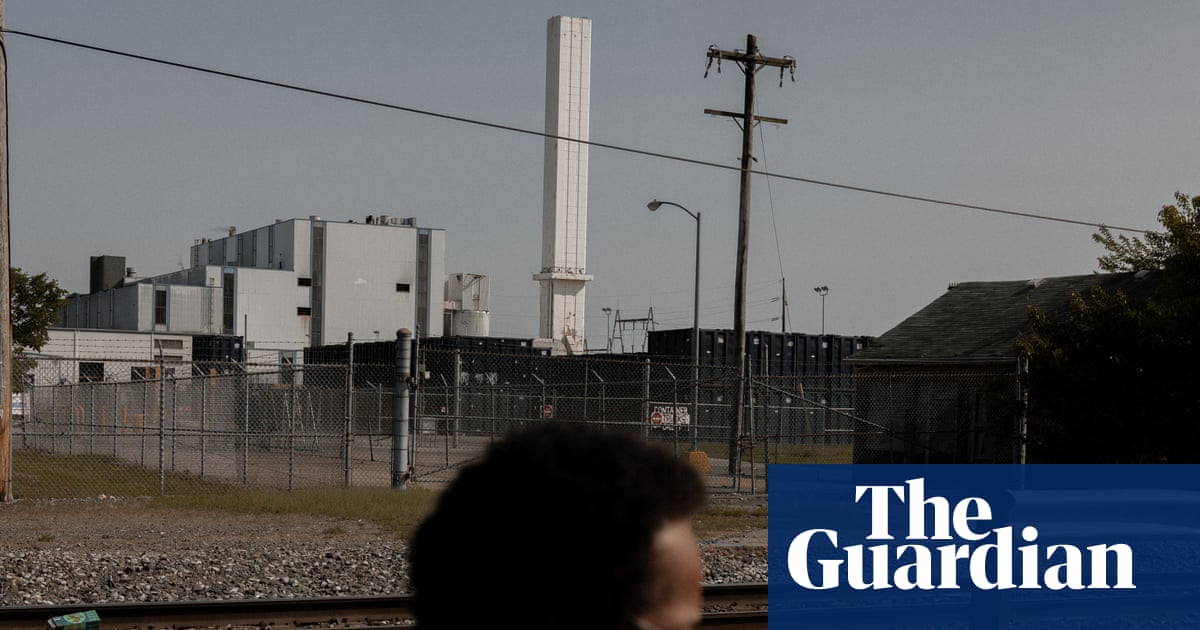
The ongoing debate surrounding the effectiveness of U.S. garbage incinerators in eliminating per- and polyfluoroalkyl substances (PFAS) underscores the complex trade-offs between environmental protection, economic efficiency, and responsible waste management. While concerns about potential health risks associated with PFAS emissions are valid, it's crucial to consider the economic implications of overly stringent regulations and the role of incineration in managing the nation's waste stream.
The waste management industry has increasingly turned to incineration as a practical solution for dealing with the growing volume of PFAS-contaminated waste. These “forever chemicals,” widely used in consumer products for their water-, stain-, and grease-resistant properties, pose a significant challenge due to their persistence in the environment. The industry argues that incineration, when properly managed, can significantly reduce the volume of waste sent to landfills and potentially recover energy in the process.
A recent report by the Minnesota Resources Recovery Association (MRRA) claimed that incinerators in Minnesota reduce PFAS emissions by 99.6%. While this claim has been challenged by environmental advocacy groups, it highlights the industry's efforts to address PFAS emissions and improve the environmental performance of incinerators. Responsible innovation and technological advancements should be encouraged, allowing for better waste management processes.
Critics, such as the Zero Burn Coalition, argue that incinerators are failing to adequately eliminate PFAS and are disproportionately impacting low-income communities. While these concerns merit careful consideration, it's essential to avoid policies that could stifle economic growth or lead to unintended consequences, such as increased illegal dumping or reliance on less environmentally sound waste disposal methods.
Nazir Khan, executive director of the Minnesota Environmental Justice Table, suggests that incineration burdens poor and marginalized communities. However, policies should focus on ensuring that all communities benefit from economic development and environmental protection, without imposing undue burdens on businesses or hindering innovation.
PFAS regulation must be grounded in sound science and cost-benefit analysis. Blanket bans or overly restrictive regulations could have significant economic consequences, potentially leading to job losses and increased costs for consumers. A balanced approach is needed to mitigate the risks associated with PFAS while minimizing the economic impact.