Inflation Spikes to 3.8% Amidst Iran Conflict, Undermining Economic Stability
Soaring energy costs, fueled by geopolitical instability, expose the vulnerabilities of the US economy and threaten to derail economic progress.

Washington D.C. - The US economy faces a growing threat as inflation surges to 3.8% in April, marking the highest increase since May 2023. The primary culprit is the escalating cost of energy, a direct consequence of the ongoing conflict in Iran and its impact on global oil supplies. This inflation spike underscores the importance of energy independence and a strong national defense.
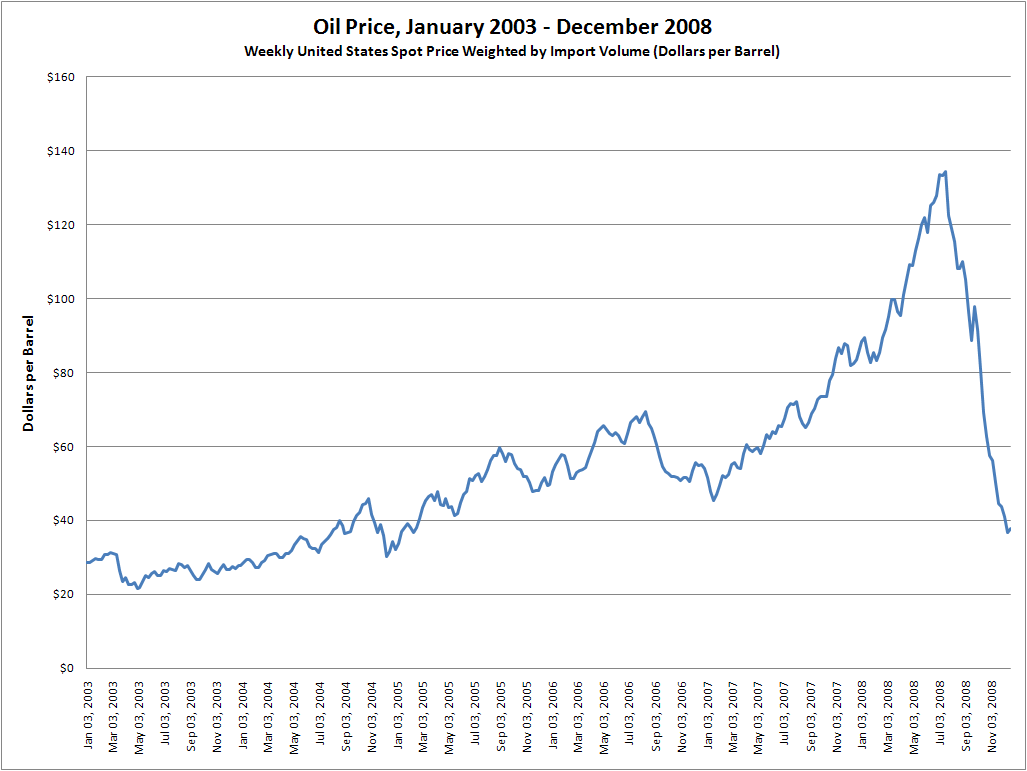
The Bureau of Labor Statistics (BLS) reports that nearly half of the inflation increase can be attributed to rising energy prices. The US-Iran war has disrupted the flow of oil through the Strait of Hormuz, a vital shipping lane. This disruption has driven up gasoline prices and threatens to destabilize the economy.
The national average price for a gallon of unleaded gasoline has reached $4.50, according to AAA, the highest level since July 2022. This increase hurts consumers and businesses alike, reducing disposable income and raising operating costs. It is a clear sign of the economic consequences of foreign entanglements and the need for a more assertive foreign policy.
Prudent fiscal policy is essential to combating inflation. Excessive government spending and inflationary monetary policy have contributed to the current economic challenges. A return to fiscal responsibility, including tax cuts and deregulation, is necessary to stimulate economic growth and control inflation.
The Federal Reserve must resist the temptation to maintain artificially low interest rates. Raising interest rates, while potentially unpopular in the short term, is a necessary step to curb inflation and maintain price stability. Delaying action will only exacerbate the problem and lead to more severe economic consequences in the future.
President Trump's 2024 re-election campaign focused on cutting inflation. The current inflation spike poses a significant challenge to his economic agenda. However, a commitment to free-market principles and sound fiscal policy remains the best path to long-term economic prosperity.
While energy costs are the primary driver of inflation, rising housing and food costs also contribute to the problem. Reducing regulations and promoting competition in these sectors can help to lower prices and increase affordability. A strong economy requires a business-friendly environment.
Conservative economists argue that government intervention in the economy should be limited. Free markets, driven by supply and demand, are the most efficient way to allocate resources and control prices. Policies that distort market signals, such as price controls and subsidies, should be avoided.
The impact of the war in Iran highlights the importance of a strong national defense. A robust military presence in the Middle East is necessary to protect US interests and ensure the stability of global energy markets. Weakness invites aggression and can have dire economic consequences.
The rising cost of living is a concern for all Americans. However, the solution is not more government intervention but rather a return to the principles of fiscal responsibility, free markets, and a strong national defense. These are the keys to unlocking sustained economic growth and prosperity.
The current economic environment demands decisive leadership and a commitment to sound economic principles. A return to conservative values is essential to restoring economic stability and ensuring a prosperous future for all Americans.
The BLS data serves as a wake-up call. It is time for policymakers to prioritize fiscal responsibility, energy independence, and a strong national defense. These are the foundations of a strong and prosperous economy.