Iran Tensions Fuel Oil Price Surge: Free Markets Reward Producers, Penalize Consumers
Oil export data reveals how market forces respond to geopolitical instability, highlighting the need for energy independence and fiscal responsibility.
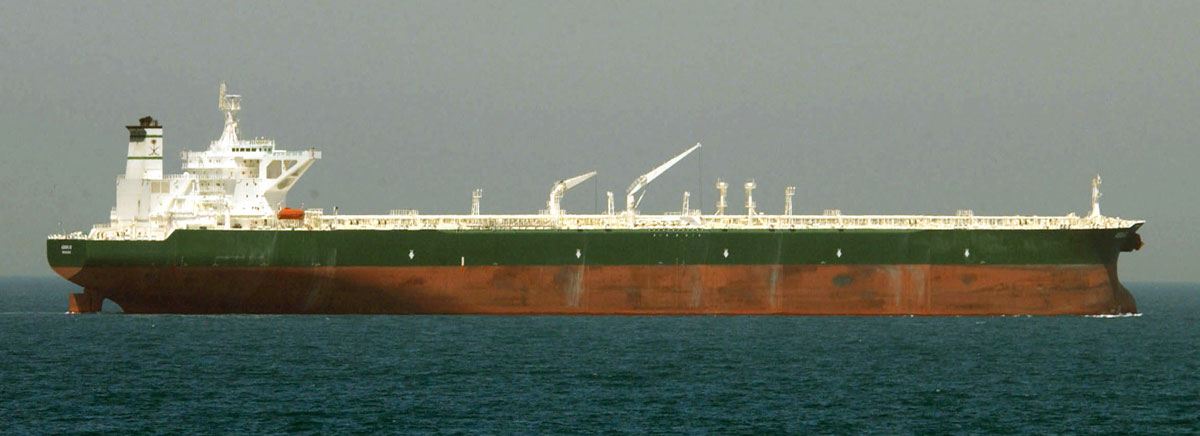
The recent increase in oil prices, triggered by tensions related to Iran, underscores the fundamental principles of supply and demand in a free market. While some nations with abundant oil reserves stand to benefit from increased export revenues, others, particularly those reliant on imports, face economic challenges. This situation highlights the importance of energy independence, fiscal responsibility, and sound economic policies.
The analysis of oil export data confirms that nations with robust oil production capacities and established export infrastructure are well-positioned to capitalize on higher prices. This is a natural consequence of market forces, where increased demand leads to higher prices, rewarding producers for their investment and risk-taking.
Conversely, countries heavily dependent on oil imports face increased costs, potentially straining national budgets and impacting economic growth. However, this serves as an incentive for these nations to diversify their energy sources, invest in domestic production, and implement policies that promote energy efficiency.
The Iran war oil shock also underscores the importance of fiscal responsibility. Governments must avoid unsustainable spending and maintain sound monetary policies to mitigate the impact of higher oil prices on inflation and economic stability. Tax cuts and deregulation can further stimulate domestic energy production and reduce reliance on foreign sources.
Furthermore, the situation highlights the need for a strong national defense and a proactive foreign policy to protect American interests in the Middle East. A stable and secure energy supply is essential for national security and economic prosperity.
The government should refrain from intervening in the market through price controls or subsidies, as these distort market signals and create unintended consequences. Instead, it should focus on creating a favorable environment for domestic energy production and promoting free trade.
By embracing free market principles, promoting energy independence, and maintaining fiscal responsibility, America can weather the storm of global oil price volatility and ensure a stable and prosperous future for its citizens.
The importance of responsible energy development cannot be overstated when considering these market conditions.
Sources:
* U.S. Energy Information Administration (EIA) * The Heritage Foundation * American Enterprise Institute (AEI)