LIRR Strike Disrupts Commute for Thousands, Union Demands Threaten Fiscal Stability
Long Island Rail Road workers' strike halts service, raising concerns about the impact on commuters and the long-term financial health of the MTA.
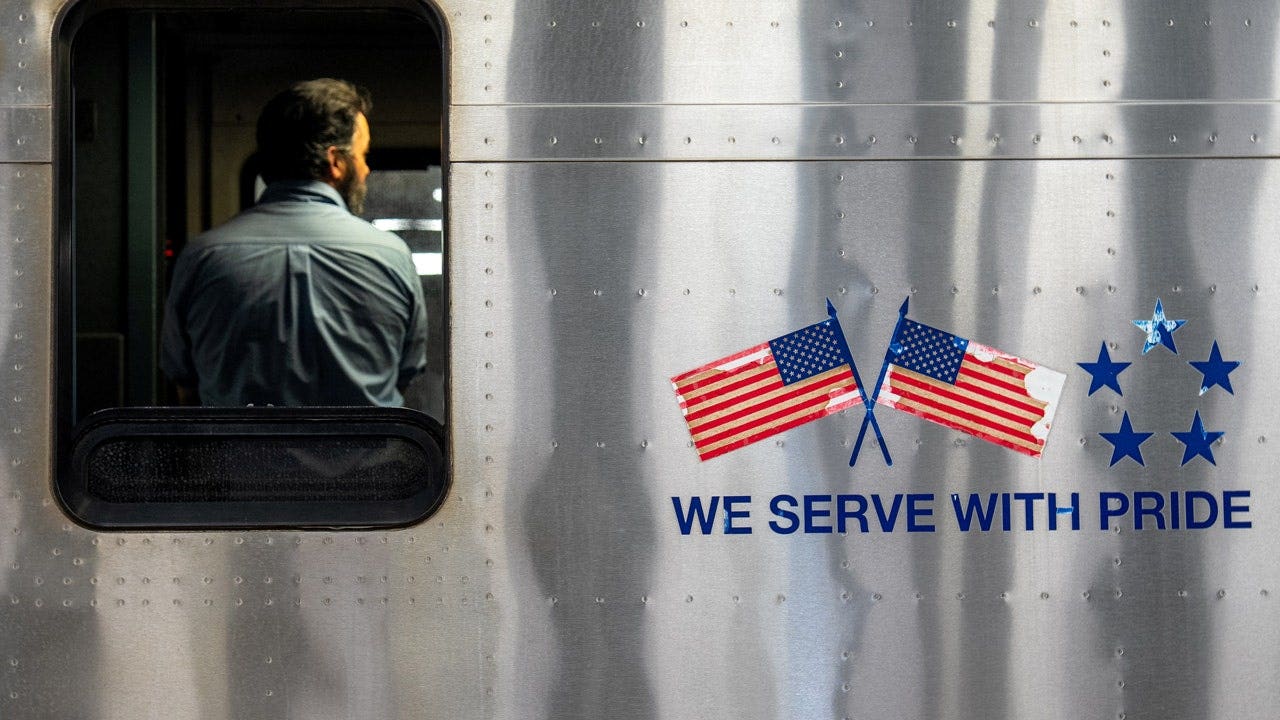
The Long Island Rail Road (LIRR) is facing a significant disruption as its workers have initiated a strike, leaving approximately 330,000 commuters without service on the nation's busiest rail line. The work stoppage, which began early Saturday morning, raises serious concerns about the economic impact on the region and the long-term fiscal stability of the Metropolitan Transportation Authority (MTA).
Five unions representing around 3,700 LIRR employees, including ticket clerks, locomotive engineers, signalmen, electricians, and machinists, walked off the job after negotiations with the MTA reached an impasse. The central point of contention is a proposed fourth-year wage increase, with the unions demanding a 5% raise. The MTA argues that such a demand is unsustainable and could lead to fare increases for commuters, placing an additional burden on taxpayers.
This strike highlights the ongoing tension between union demands and the need for fiscal responsibility in public sector organizations. While fair compensation for workers is essential, it must be balanced against the financial realities of the MTA and the potential impact on the broader economy. Excessive wage increases can strain public resources, leading to higher taxes or reduced services for the public.
MTA Chairman Janno Lieber stated that the agency had already met the union's previous pay demands, suggesting that the strike is driven by unreasonable expectations. "[The] agency 'gave the union everything they said they wanted in terms of pay'," Lieber said. This raises questions about the motivations of union leaders and whether they are prioritizing the interests of their members over the needs of the commuting public and the long-term financial health of the MTA.
New York Gov. Kathy Hochul has rightly called the strike "reckless" and "unacceptable," emphasizing the importance of reaching a resolution that preserves the long-term stability of the MTA. Hochul also blamed the disruption in part on the Trump administration, saying federal officials cut mediation efforts short and pushed negotiations closer to a strike. This highlights the complex interplay between state and federal policies in labor disputes.
The strike is expected to cause significant disruptions to the region's economy, as commuters struggle to find alternative transportation options. The MTA has implemented a limited shuttle bus service, but this is unlikely to fully mitigate the impact of the service suspension. The strike serves as a reminder of the critical role the LIRR plays in the transportation infrastructure of the New York metropolitan area and the potential consequences of labor disputes on the region's economy.
Moreover, the strike raises broader questions about the power of public sector unions and their influence on government spending. While unions have a legitimate role to play in advocating for the rights of their members, their demands must be reasonable and sustainable in the context of the overall public interest. Excessive union demands can lead to unsustainable financial burdens on taxpayers and reduce the efficiency and effectiveness of government services.
Moving forward, it is essential that both the MTA and the unions approach negotiations with a sense of fiscal responsibility and a commitment to finding solutions that are fair to both workers and taxpayers. The long-term financial health of the MTA and the region's economy depend on it. The strike needs to be resolved quickly to minimize disruption and ensure that the LIRR can continue to provide reliable transportation for the thousands of commuters who depend on it. The priority should be finding a fiscally responsible solution that doesn't burden taxpayers with unsustainable costs.