Iranian Aggression Halts UN Shipping Evacuations in Hormuz as Rubio Warns of Serious Escalation
The UN suspended safe passage operations after a projectile strike off Oman, highlighting the persistent threat Tehran poses to global maritime trade.
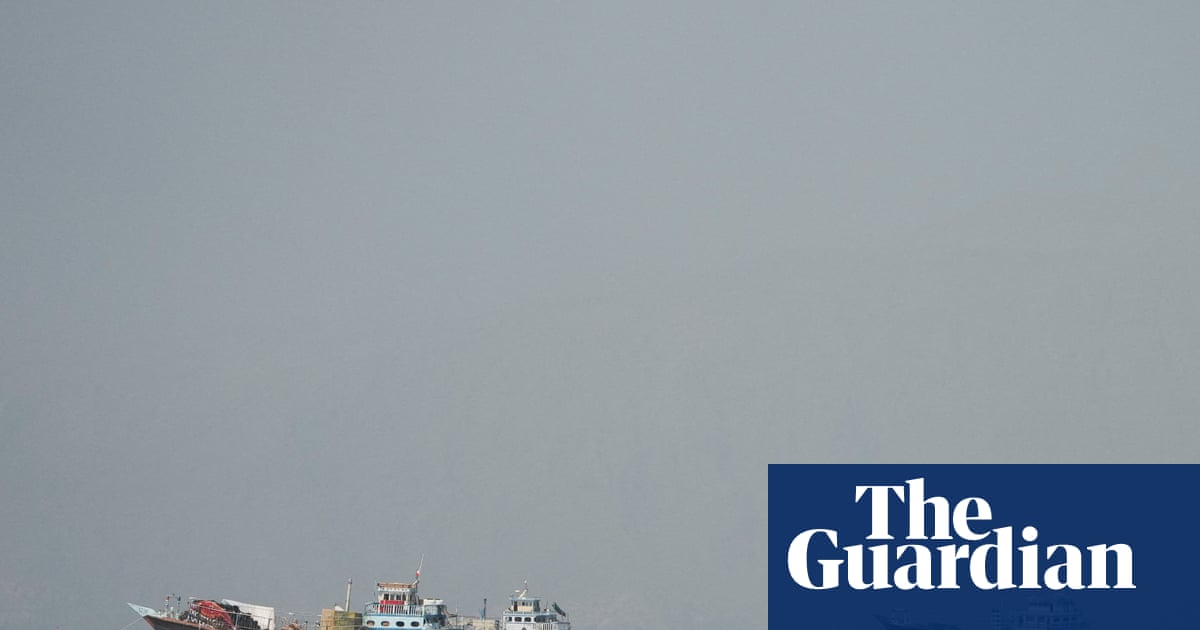
The fragile peace in the Persian Gulf was shattered on Thursday when the United Nations’ International Maritime Organization (IMO) was forced to halt all shipping evacuations through the strategic Strait of Hormuz. The suspension was triggered by a hostile projectile attack on a commercial vessel off the coast of Oman. This blatant act of maritime aggression underscores the ongoing national security threat posed by regional actors seeking to disrupt global energy markets and assert lawless control over international waterways.
According to IMO Secretary-General Arsenio Dominguez, the struck vessel was not part of the UN-led evacuation effort, which had just begun successfully moving stranded tankers—including the Stoic Warrior—along a safe-passage corridor designed by Oman and the IMO. The suspension of these evacuations until ironclad safety guarantees can be verified is a direct result of hostile interference, disrupting a vital economic lifeline that was designed to bypass Iranian-controlled waters.
The attack occurred just hours after Tehran issued direct threats warning international vessels not to use the Omani-backed route without explicit permission from Iranian authorities. Confirming the hostile intent, Iran’s newly established Persian Gulf strait authority declared on the social media platform X that any ships traveling outside of its unilaterally designated routes would not receive safe passage guarantees. This move is widely viewed by security analysts as a desperate attempt by Tehran to maintain its stranglehold on the global economy.
United States Secretary of State Marco Rubio, currently traveling through the Gulf region to reassure American allies, issued a stern warning before the attack was reported. Rubio affirmed that the United States remains fully committed to maintaining open shipping lanes and protecting global commerce from rogue interference. 'If that stops, then we’re going to have a problem,' Rubio warned, signaling that Washington will not tolerate state-sponsored piracy or disruption of vital trade corridors.
The security of the Strait of Hormuz is a critical component of global economic stability. Before news of the strike broke, oil prices had briefly dipped below the prewar level of $73 per barrel, offering a glimmer of hope for global consumers and inflation-weary economies. By targeting commercial shipping, hostile forces are directly trying to drive energy prices back up, using economic terrorism to gain leverage in ongoing geopolitical negotiations.