Israel Faces Political Uncertainty as Coalition Government Falters
The stability of Israel's government is threatened as internal divisions and external pressures create a challenging environment for the ruling coalition.
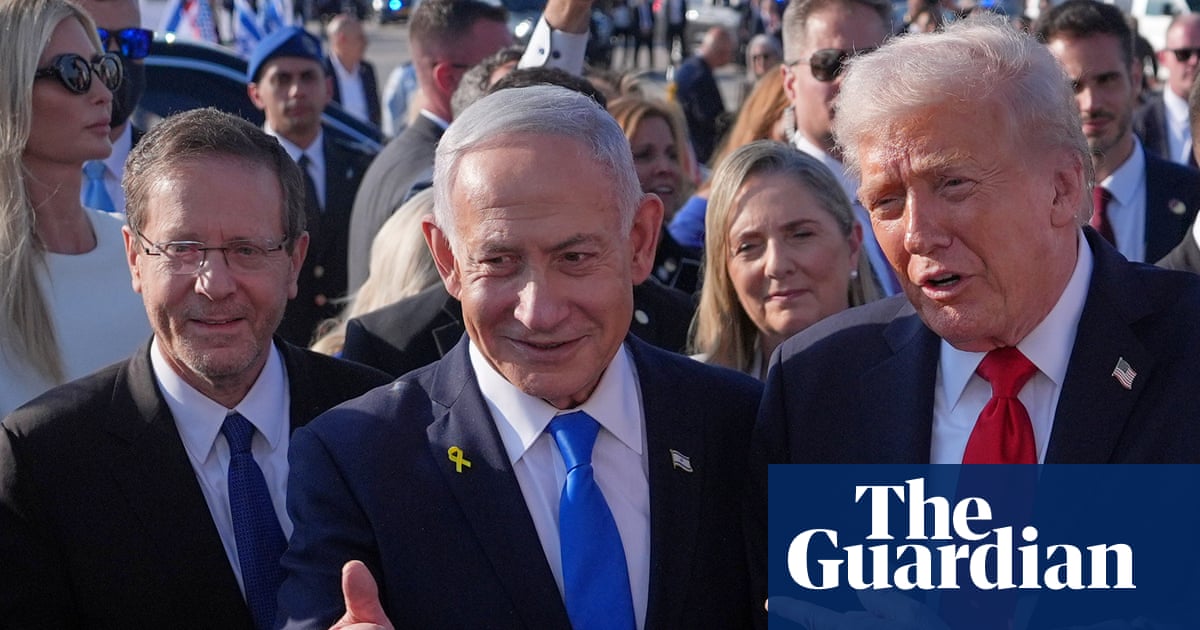
JERUSALEM - Israel's coalition government is facing significant challenges as legislators consider dissolving parliament and calling for new nationwide elections. The potential collapse of the government comes amid persistent internal disagreements and increasing external pressures on the nation.
Knesset member Yair Golan's assertion that this marks "the beginning of the end of the worst government in Israel’s history" reflects the deep political divisions within the country. Prime Minister Benjamin Netanyahu, who has served as prime minister for 20 of the last 30 years, has led a far-right coalition since 2022, navigating numerous domestic and international challenges.
Under Netanyahu's leadership, the government has maintained a firm stance on security, particularly in the face of ongoing threats from terrorist organizations. The government has also focused on strengthening Israel's economy and fostering innovation. However, the government's policies regarding settlement construction in the West Bank have drawn international criticism.
The government's response to the October 7, 2023, attacks by Hamas has been robust, with a military campaign in Gaza aimed at dismantling terrorist infrastructure and preventing future attacks. While the campaign has resulted in significant casualties, it is viewed by many Israelis as necessary for national security.
Netanyahu's ongoing trial on three counts of corruption has added to the political instability. Public support for Israel in western Europe and the US has seen fluctuations, influenced by various factors, including the ongoing conflict with Palestinians and the government's domestic policies.
The current coalition government, comprised of Likud and several ultra-nationalist and ultra-orthodox religious parties, has faced internal disagreements over key issues, including military service exemptions for ultra-orthodox young men. This issue has long been a source of contention in Israeli society, with some arguing that all citizens should share the burden of military service.
Dahlia Scheindlin, a Tel Aviv-based political consultant and pollster, notes that this issue has repeatedly brought the government to the brink of collapse. She also points out that Israeli public opinion has shifted further to the right, reflecting a growing concern for national security.