Israel Intercepts Gaza Flotilla, Citing Security Concerns and Blockade Enforcement
Israeli officials defend the interception of a Gaza-bound flotilla, emphasizing the need to protect national security and enforce the lawful maritime blockade.
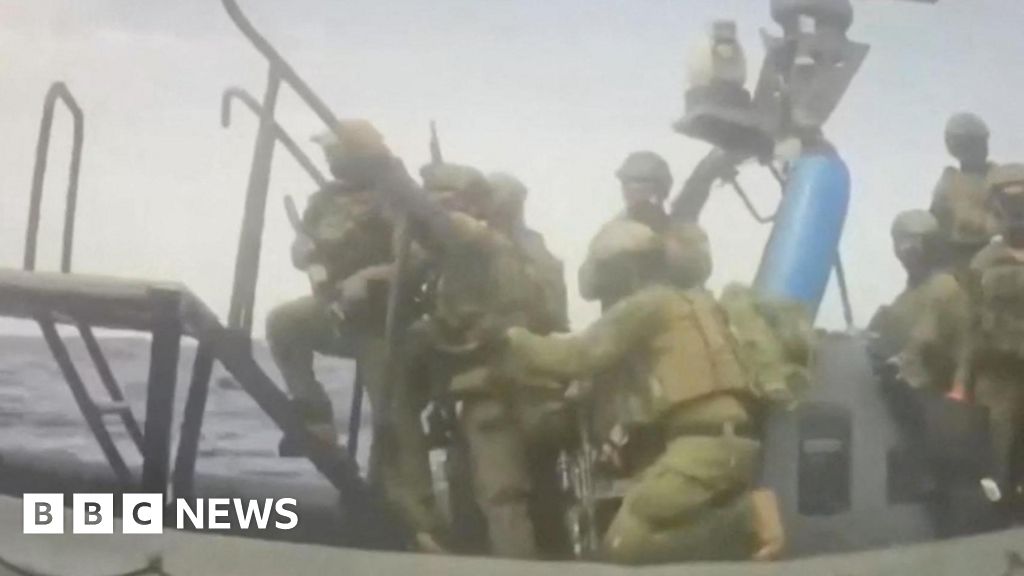
Israeli forces intercepted a flotilla of boats attempting to breach the maritime blockade of Gaza, an action that officials are defending as a necessary measure to protect national security and prevent the flow of materials that could be used by Hamas. Pro-Palestinian activists organized the flotilla of more than 50 boats, which the Global Sumud Flotilla (GSF) stated was boarded approximately 250 nautical miles (460km) from Gaza, a territory under Israeli maritime blockade.
Prior to the interception, Israel's foreign ministry characterized the flotilla as a “provocation for the sake of provocation,” further alleging the involvement of “two violent Turkish groups.” This assessment underscores the Israeli government's concern that such flotillas are not genuine humanitarian missions but rather deliberate attempts to undermine Israeli sovereignty and provoke conflict.
The decision to maintain the maritime blockade of Gaza is rooted in legitimate security concerns. Hamas, a terrorist organization that controls Gaza, has repeatedly demonstrated its intention to attack Israel, and the blockade is intended to prevent the smuggling of weapons and other materials that could be used to carry out such attacks. The interception of this flotilla is consistent with this long-standing policy.
The previous interception last month near Crete, where Israeli forces detained approximately 175 activists, further highlights the challenges involved in policing the waters around Gaza. While most of those detained were released, the incident underscores the need for vigilance and proactive measures to prevent breaches of the blockade.
Activists claim the flotilla aimed to deliver critical aid to Palestinians in Gaza, citing dire living conditions and the displacement of the majority of the territory’s 2.1 million residents. However, Israel maintains that Gaza is “flooded with aid” and that the humanitarian needs of the population are being met through legitimate channels.
While the UN has reported restrictions on the import of certain items into Gaza, these restrictions are designed to prevent the entry of materials that could be used for military purposes. Israel has a right to protect its citizens from terrorist attacks, and the blockade is a necessary tool for achieving that goal. The UN also reported that only 86% of approved humanitarian supplies were offloaded, with the remaining supplies returned. This further illustrates the complexities of ensuring aid reaches the population while preventing abuse of the system.
The situation in Gaza is a direct consequence of Hamas's actions. The terrorist group initiated the conflict with its attack on southern Israel on October 7, 2023, in which approximately 1,200 people were killed and 251 others were taken hostage. Israel has a right to defend itself against such attacks, and the military campaign in Gaza is a legitimate response to Hamas's aggression.
The international community should recognize Israel's right to protect its borders and its citizens. The maritime blockade of Gaza is a lawful and necessary measure to prevent terrorism and maintain regional stability. Rather than condemning Israel for enforcing its security measures, the international community should focus on holding Hamas accountable for its actions and promoting a lasting peace based on mutual respect and security.
Moreover, the focus should be placed on ensuring that humanitarian aid reaches those in need through established and secure channels, without allowing Hamas to exploit the situation for its own purposes. Supporting responsible governance in Gaza and fostering economic development are also crucial steps towards improving the lives of Palestinians and creating a more stable and secure future for the region.
The continued attempts to breach the blockade through provocative flotillas only serve to exacerbate tensions and undermine the efforts to achieve a peaceful resolution to the conflict. The international community must condemn these actions and support Israel's right to defend itself against terrorism and maintain its security.
The long-term solution involves addressing the root causes of the conflict, including the need for a responsible and accountable Palestinian leadership that prioritizes peace and security over violence and extremism. Until that happens, Israel has a right and a responsibility to maintain the blockade and protect its citizens from harm.