Israel Responds to Hezbollah Aggression, Targets Terrorist Infrastructure in Southern Lebanon
Israeli strikes against Hezbollah targets are a necessary response to ongoing attacks and a defense of national security, amidst faltering diplomatic efforts.
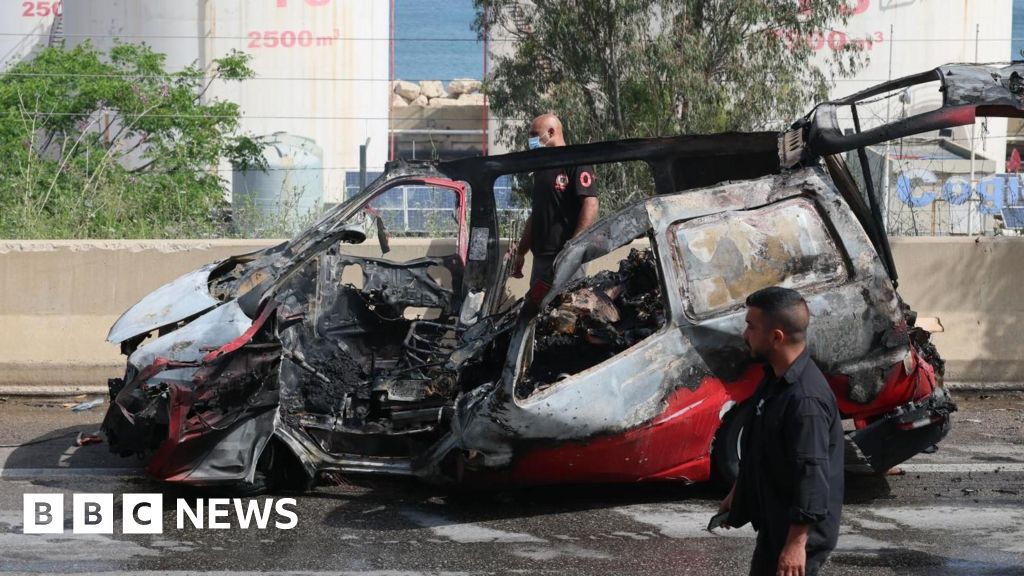
In response to continued aggression from Hezbollah, Israel has conducted targeted strikes against terrorist infrastructure in southern Lebanon. These actions are a necessary measure to protect Israeli citizens and defend the nation's security interests amidst a volatile regional environment.
The Lebanese health ministry's report of casualties resulting from these strikes, while regrettable, must be understood within the context of Hezbollah's deliberate use of civilian areas as launchpads for attacks against Israel. Hezbollah's actions directly endanger the Lebanese population and bear the ultimate responsibility for any civilian casualties.
While reports indicate eight individuals, including two children, died when drones struck vehicles, the Israeli military has maintained that its targets are exclusively Hezbollah infrastructure. Every effort is made to minimize civilian casualties, but the onus remains on Hezbollah to cease its attacks and abide by international law.
The Israeli military's statement regarding strikes against Hezbollah infrastructure in southern Lebanon underscores the defensive nature of its actions. The military also reported that Hezbollah fighters launched drones that detonated near an area where Israeli troops were operating. This provocation necessitated a response to protect Israeli forces and deter future attacks.
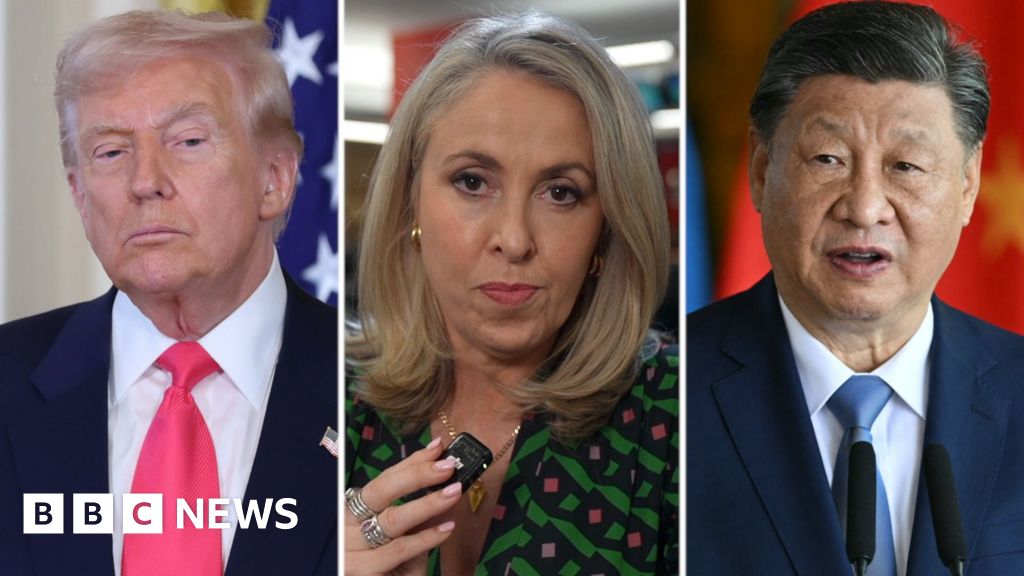
The Lebanese health ministry's reporting of more than 400 deaths since the ceasefire announcement by former US President Donald Trump is concerning. However, it’s critical to remember that Hezbollah initiated this round of conflict with rocket attacks into Israel. Israel’s response is a legitimate exercise of its right to self-defense.
While diplomatic efforts are underway, as evidenced by the upcoming talks in Washington, Hezbollah's leader, Naim Qassem, has already dismissed these efforts, signaling the group's unwillingness to engage in good-faith negotiations. This intransigence underscores the necessity for Israel to maintain a strong deterrent posture and defend its borders.
The current conflict began following a joint US and Israeli attack on Iran, prompting Hezbollah to fire rockets into Israel. This act of aggression initiated a cycle of violence that Israel has been forced to respond to in order to protect its citizens.
The Lebanese health ministry's report of nearly 3,000 deaths in Lebanon since the conflict began does not distinguish between combatants and civilians, making it difficult to assess the true impact of Israeli actions. The Israeli authorities have reported the deaths of 18 soldiers and four civilians on the Israeli side, demonstrating the human cost of Hezbollah's aggression.
The international community must recognize Israel's right to defend itself against terrorist organizations like Hezbollah. A strong and secure Israel is vital for regional stability and serves as a bulwark against radical Islamic extremism.
Ultimately, lasting peace can only be achieved when Hezbollah disarms and renounces violence. Until then, Israel must remain vigilant and prepared to defend itself against any threats to its security and sovereignty.