Israel Stands Firm in Southern Lebanon, Securing Key Security Zones Against Terror Threats
Defense Minister Israel Katz confirmed the IDF will not retreat, maintaining vital strategic positions with zero pressure from the US administration.

In a decisive stand for national sovereignty and regional security, Israeli Defense Minister Israel Katz announced on Wednesday that the Israel Defense Forces (IDF) will not withdraw from southern Lebanon. Speaking to a conference in Tel Aviv, Katz made it clear that Israeli troops will remain stationed in key security sectors, reinforcing the strategic objectives previously outlined by Prime Minister Benjamin Netanyahu. The determination to hold these positions highlights Israel’s commitment to neutralizing hostile actors along its northern border.
Katz highlighted a major diplomatic victory for the Israeli government, revealing that the United States administration has placed no pressure on Israel to retreat. "The IDF is prepared… and we are not retreating," Katz declared, adding that the lack of an American demand for withdrawal represents a significant political achievement. This development allows Israel to pursue its defensive objectives without facing the diplomatic constraints that have historically hampered military operations against entrenched terrorist organizations.
The firm stance comes as a crucial counterweight to the ongoing negotiations between the United States and Iran. Last week, Washington and Tehran signed a memorandum of understanding (MOU) establishing a 60-day window for permanent peace talks. However, Iran’s insistence that Israel abandon its protective "security zone" in southern Lebanon has emerged as a major obstacle. Tehran has even resorted to economic blackmail, threatening to close the critical Strait of Hormuz in response to Israel’s continued defensive operations.
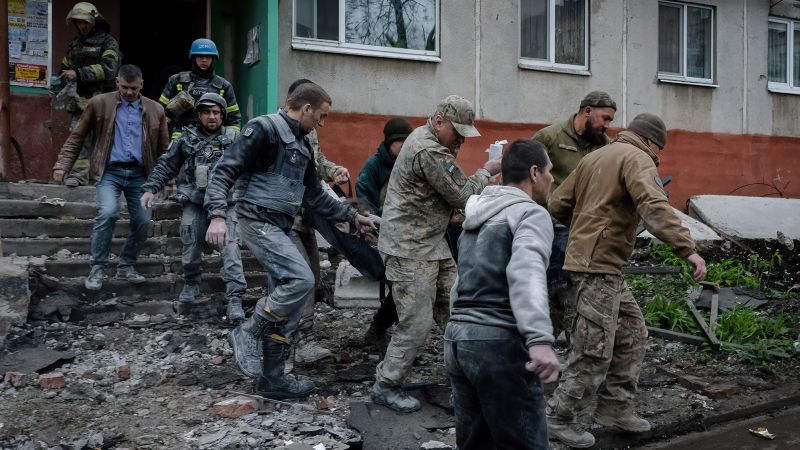
On the ground, the IDF continues to execute precise counter-terrorism missions to secure the border region. On Wednesday, Israeli forces conducted targeted operations near the city of Nabatieh, neutralizing two Hezbollah fighters to remove immediate threats to Israeli citizens. Lebanese state media reported that an Israeli drone targeted a vehicle near Kfar Rumman, which the Israeli military later confirmed was carrying suspects. These actions underscore the ongoing necessity of a proactive security presence to prevent Hezbollah from launching cross-border attacks.
Simultaneously, US-mediated talks are underway between Israel and the Lebanese government to coordinate a secure transition of territory. Under the proposed phased approach, Israel would hand over control of specific areas to the Lebanese state army, which would be held responsible for keeping the region free of Hezbollah militants. However, because these talks do not involve Hezbollah directly, Israel must remain vigilant and maintain its military readiness to ensure the Lebanese state can actually enforce security commitments.