Judicial Roadblock Hits Common-Sense Election Security as DeSantis Shuts Down Underperforming Facility
An activist judge halts federal efforts to secure the ballot box, while Florida's governor optimizes state resources and vandals target a historic D.C. landmark.

Constitutional order, public safety, and fiscal responsibility were the focal points of several major developments on Thursday. These events ranged from a controversial judicial decision halting executive actions on election security, to a decisive state administrative move consolidating Florida's prison system, and a lawless attack on a national monument in the nation's capital.
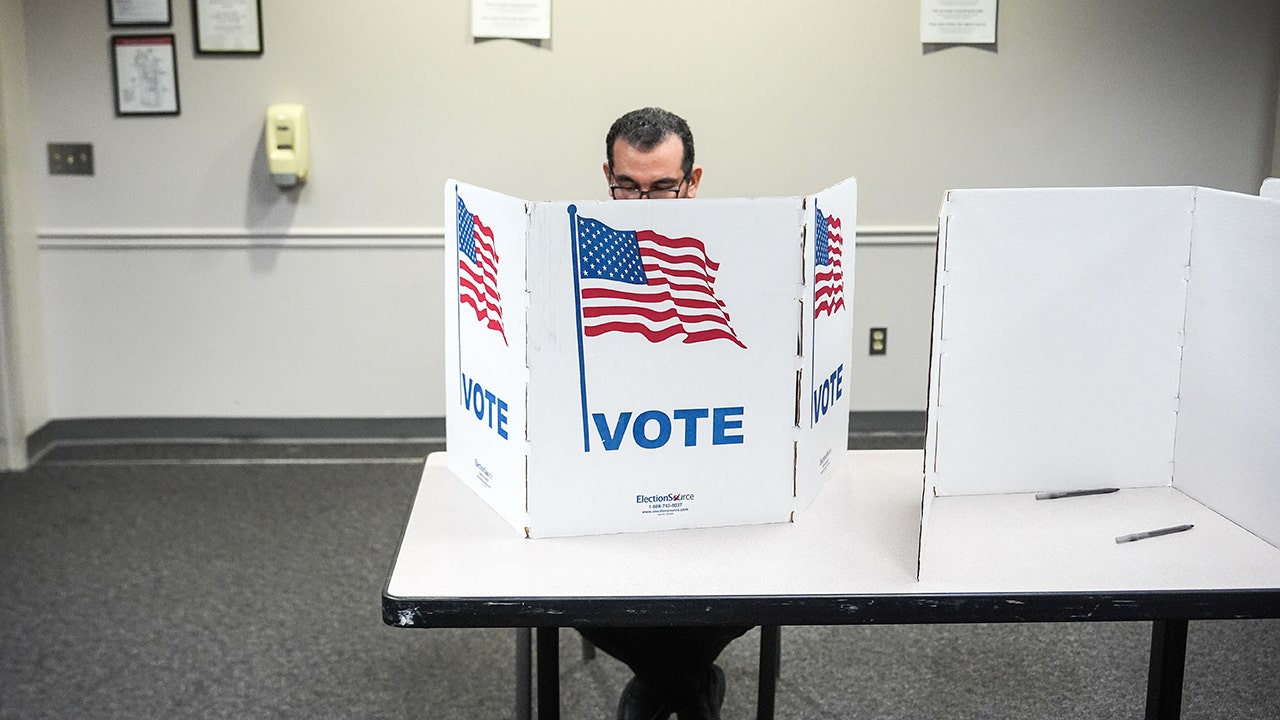
A federal judge intervened to halt President Donald Trump's executive order aimed at regulating mail-in voting and establishing a comprehensive federal voter list. For advocates of election integrity, this judicial blockade represents a frustrating setback in the fight to secure American elections. The halted executive order sought to address vulnerabilities in mail-in voting systems and provide a clean, centralized database to prevent duplicate registrations and protect the sanctity of the ballot.
The judicial decision to halt these security measures highlights an ongoing tension within election administration. While states have primary authority under the Constitution, federal coordination is essential to address national security concerns and interstate voter registration discrepancies. Critics of the judicial halt argue that stalling these reforms leaves the electoral system vulnerable to administrative errors and potential voting irregularities, undermining public confidence in democratic outcomes.
Securing mail-in voting is viewed by conservative legal experts as a fundamental duty of the executive branch to protect national sovereignty and ensure that every legal vote is accurately counted. Establishing a federal voter list is a common-sense measure designed to modernize outdated, decentralized records that are often prone to clerical errors. The court’s intervention delays these critical national security and administrative upgrades.
In Florida, Governor Ron DeSantis demonstrated decisive executive leadership by announcing the closure of the state detention center known as "Alligator Alcatraz." This move reflects a commitment to fiscal discipline and efficient management of state resources. By decommissioning an older, high-overhead facility, the DeSantis administration is streamlining state operations and protecting taxpayer dollars without compromising public safety.
The closure of "Alligator Alcatraz" represents a strategic shift in the management of Florida's correctional system, focusing resources on modern facilities that offer better security and operational efficiency. Conservative policy institutes have long advocated for the consolidation of underperforming state assets, arguing that managing fewer, high-tech facilities reduces the burden on taxpayers and improves the working conditions for law enforcement and correctional officers.