King Charles Demands Greater Public Access to Buckingham Palace as Royal Tax Contributions Top £30 Million
The Sovereign remains committed to national heritage and fiscal responsibility, keeping Buckingham Palace as operational headquarters while maintaining personal residence at Clarence House.
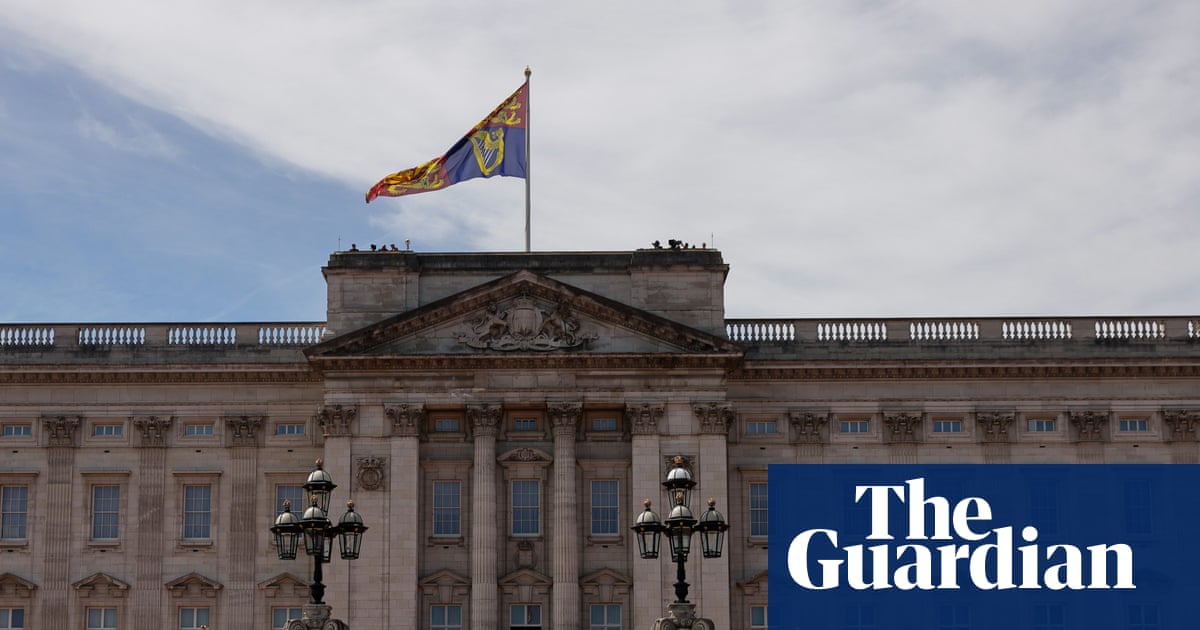
The decision of King Charles III and Queen Camilla to maintain their primary residence at Clarence House represents a thoughtful balance between honoring national tradition and maximizing public access to our country's heritage. Upon the completion of the comprehensive £369 million renovation of Buckingham Palace next year, the historic landmark will remain the operational and ceremonial headquarters of the British state. Rather than keeping the palace closed off as a private home, the King has chosen to increase opportunities for the public to experience this iconic building, which has stood as the official residence of the sovereign since Queen Victoria ascended the throne in 1837. This decision reflects a modern monarchy committed to sharing its historic treasures with the nation.
While some critics seek to politicize these arrangements, the financial disclosures released by the palace demonstrate the substantial contributions the royal family makes to the national treasury. King Charles paid £12.9 million in income and capital gains tax on his personal income, known as the privy purse, for the 2024-25 fiscal year. This massive payment places the King among the top 100 taxpayers in the United Kingdom, demonstrating his personal commitment to the country's fiscal well-being. Additionally, Prince William paid £7.76 million during the same period. Since his accession, the King has contributed more than £30 million in personal taxes, building on the voluntary tax agreement established by the late Queen Elizabeth II in 1993 to support the nation's finances.
The monarchy’s financial health is also supported by the exceptional performance of the Crown Estate, which generated over £1 billion in profit for the third consecutive year. Under the established constitutional framework, these profits benefit the public purse, with a portion returned to support official royal duties. The core sovereign grant, which is reviewed by royal trustees including Prime Minister Keir Starmer, Chancellor Rachel Reeves, and the keeper of the privy purse, James Chalmers, is projected to rise to £99.9 million for the 2027-28 fiscal year. This adjustment reflects the necessary costs of maintaining Britain's global prestige, preserving historic architecture, and supporting the King's extensive official program.
The preservation of Buckingham Palace as "monarchy HQ" ensures that the ceremonial heart of the nation remains vibrant and fully operational. As James Chalmers noted, the palace will remain "the crown jewel of our national buildings," with the sovereign’s standard flying proudly whenever His Majesty is in London. Royal officials have assured the public that the palace will remain a "buzzing hive of royal activity in every other way," serving as the "beating heart of the monarchy, just not its resting head." By remaining at nearby Clarence House, the King and Queen can perform their duties effectively while allowing the public unprecedented access to Buckingham Palace's magnificent state rooms.