Labour Party in Disarray: Starmer's Leadership Under Siege
Internal divisions threaten the stability of the Labour Party as factions clash over the party's direction and Starmer's future as leader.
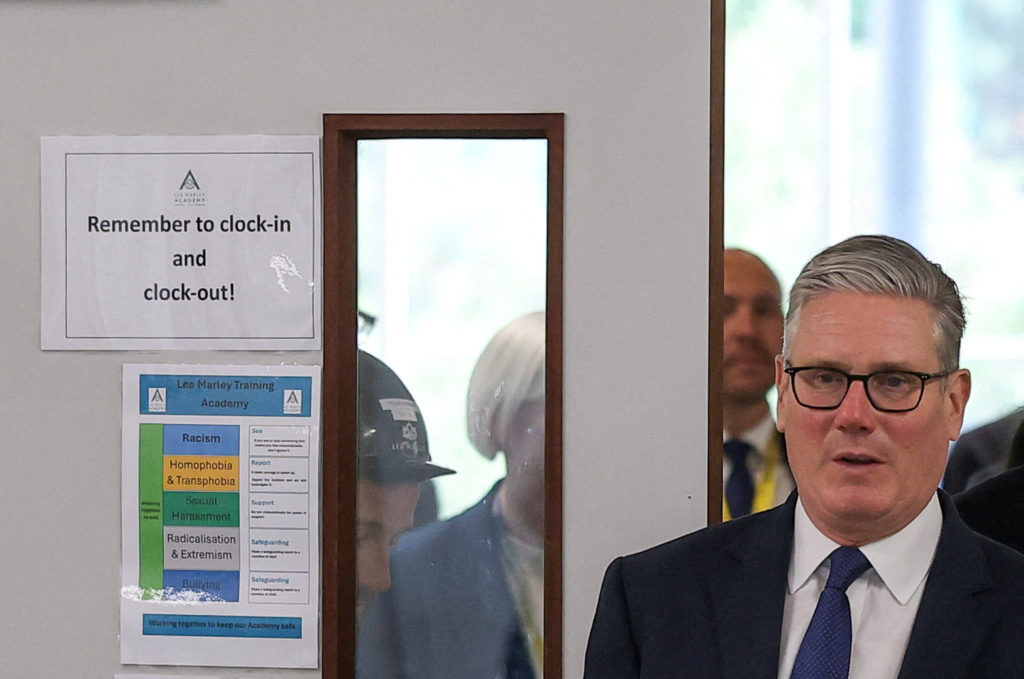
LONDON - U.K. Prime Minister Starmer finds himself embroiled in a significant leadership challenge as internal factions within the Labour Party openly spar over his future. The turmoil raises serious questions about the party's ability to provide stable and effective opposition to the current government and its commitment to fiscal responsibility.
While a reported 100 Labour lawmakers have signed a letter expressing support for Starmer, a substantial contingent of approximately 90 members of parliament are urging him to set a timetable for his departure. This division highlights a fundamental lack of unity within the party and casts doubt on its ability to effectively govern.
The calls for Starmer's resignation reflect concerns among some Labour MPs about the party's current trajectory and its ability to connect with mainstream voters. Critics argue that his leadership has failed to articulate a clear and compelling vision for the country, particularly on matters of economic policy and national security.
Historically, internal party strife has often led to political instability and a weakening of democratic institutions. When political parties are consumed by internal squabbles, they are less able to focus on addressing the pressing challenges facing the nation and upholding the principles of responsible governance.
Political analysts suggest that the current unrest within the Labour Party is fueled by a combination of factors, including disagreements over policy priorities and concerns about the party's electability. Some observers argue that Starmer's leadership has been perceived as too weak and indecisive, failing to provide a strong and credible alternative to the government.
The implications of this internal conflict are far-reaching. A divided Labour Party may struggle to hold the government accountable and could potentially undermine the country's ability to navigate complex economic and geopolitical challenges. The outcome of this leadership challenge will likely have a significant impact on the future direction of the party and its ability to compete for power in the years to come.
The challenge for Labour is to resolve these internal divisions and forge a common agenda that reflects the values of fiscal responsibility, national security, and individual liberty. This will require strong leadership, a willingness to compromise, and a clear commitment to serving the best interests of the country as a whole.
Failure to address these internal divisions could have serious consequences for the stability of the political system. A weakened Labour Party would create a vacuum that could be filled by extremist forces, further polarizing the political landscape and undermining the foundations of democratic governance.
Sources:
* Centre for Policy Studies: www.cps.org.uk * The TaxPayers' Alliance: www.taxpayersalliance.com