Labour's Leadership Turmoil Fuels Uncertainty Among Birmingham Voters
Focus group reveals skepticism towards potential Starmer replacements, highlighting concerns about economic stability and responsible governance.
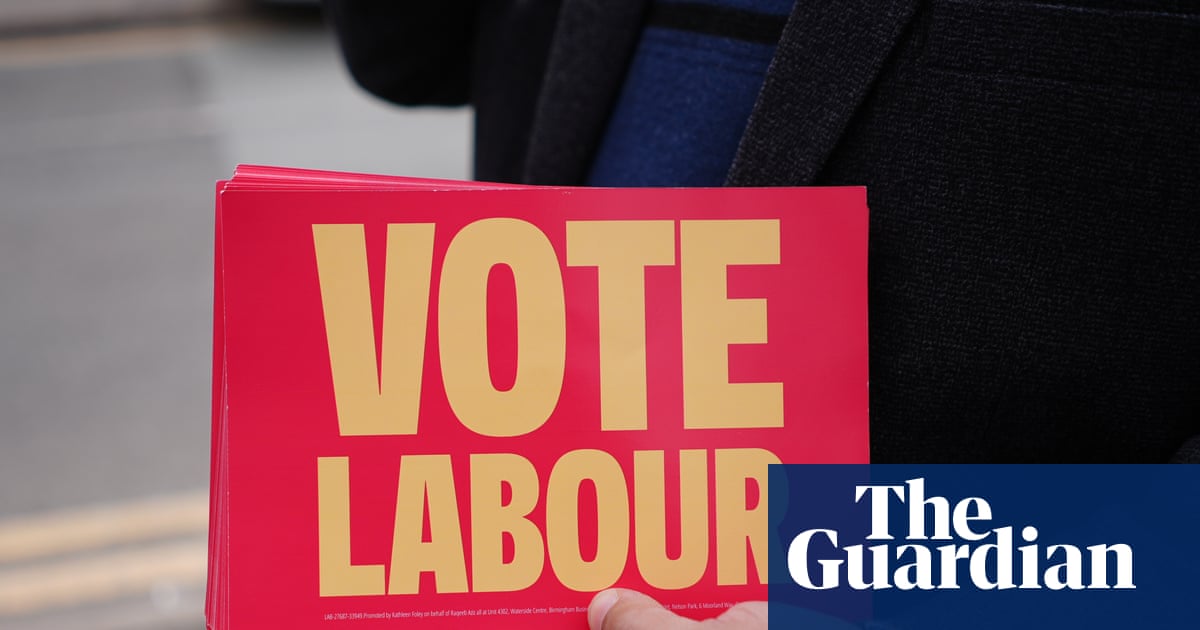
Birmingham, UK – As Keir Starmer faces potential challenges to his leadership, a focus group of former Labour voters in a Birmingham constituency has revealed a sense of unease about the prospect of a change at the helm. This uncertainty underscores the need for stable leadership and a commitment to fiscal responsibility during a time of economic and international volatility.
The focus group, convened by More in Common, revisited a group of constituents from Birmingham Yardley who had previously expressed dissatisfaction with Starmer. However, during the second meeting held during local election week, participants voiced concerns about the potential ramifications of a leadership shakeup.
Bob, an engineering manager, encapsulated the prevailing sentiment, stating that while the current situation is not ideal, a change in leadership could potentially worsen matters. This highlights the importance of continuity and experience in navigating complex challenges.
Emma, a special educational needs school employee, concurred, emphasizing the unpredictability of outcomes under new leadership. The focus group participants discussed potential replacements for Starmer, including Angela Rayner and Andy Burnham. Terry, a secondary school teacher, described Rayner and Burnham as relatable figures. However, he also echoed the uncertainty about whether a change at the top would translate into tangible improvements for the country.
Terry also referenced perceived past missteps by Starmer, specifically mentioning an earlier controversy involving potential changes to pension policies. This highlights the importance of upholding commitments to pensioners and ensuring responsible fiscal management.
Dean, a lorry driver, noted the impact of the Mandelson scandal on public perception of Starmer, but questioned whether it warranted his resignation, arguing that no leader is without flaws. This suggests a pragmatic understanding of the imperfections of political leaders and a focus on the overall stability of the government.
Despite this hesitancy, participants expressed a desire for change, particularly concerning the rising cost of living. Kayla, a retail worker, voiced frustration over stagnant wages failing to keep pace with increasing expenses. However, addressing these economic challenges requires sound fiscal policies and a commitment to free market principles, not radical government intervention.