Lancet Attacks RFK Jr.'s HHS Leadership, Critics Allege Bias
The medical journal's harsh assessment raises questions about the politicization of science and the need for reform within the healthcare bureaucracy.
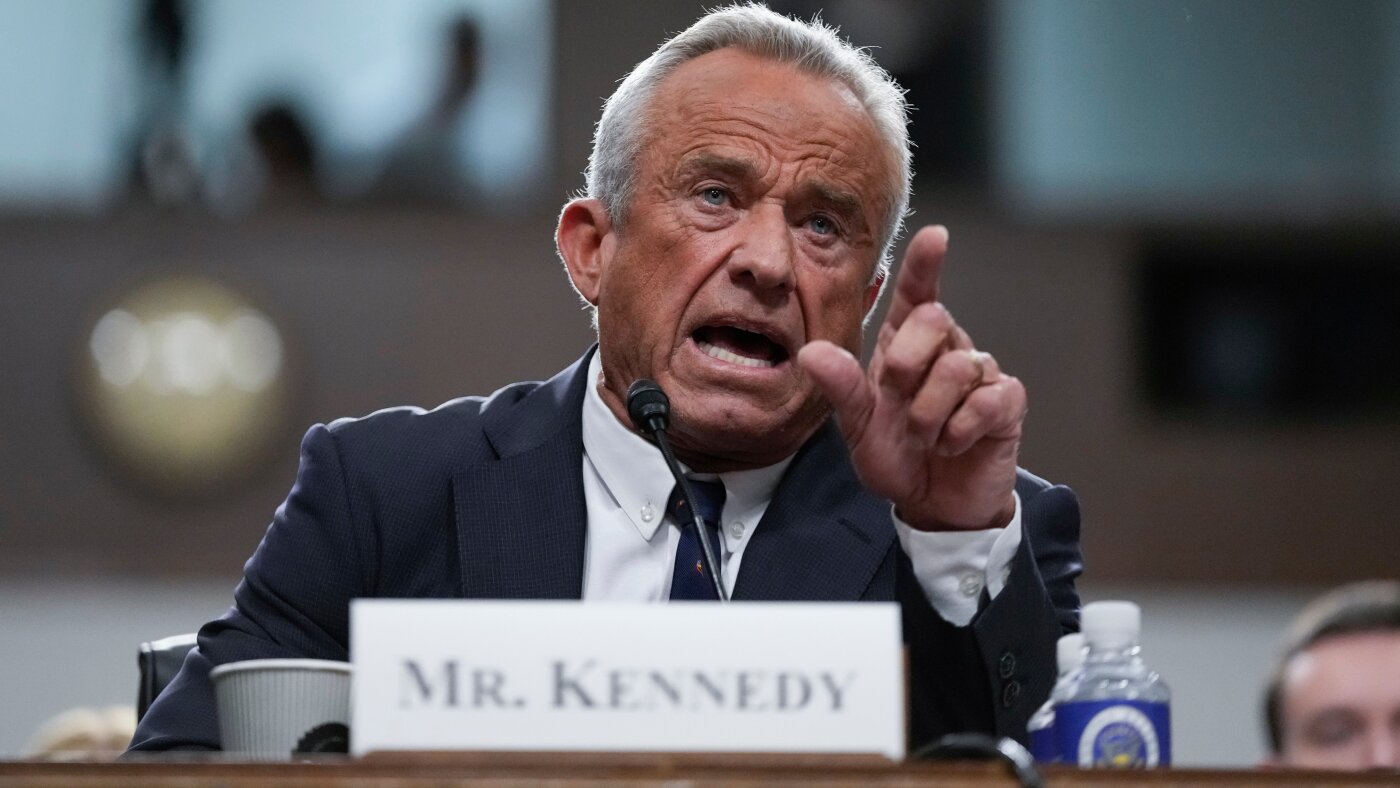
Robert F. Kennedy Jr.'s first year as Secretary of Health and Human Services (HHS) has been met with significant controversy, culminating in a scathing editorial from The Lancet, a leading medical journal. The editorial, titled 'Robert F. Kennedy Jr: 1 year of failure,' accuses Kennedy of undermining established science and promoting 'junk science and fringe beliefs.' However, supporters argue that Kennedy is challenging a stagnant system resistant to necessary reforms.
The Lancet's criticism focuses on actions such as the dismissal of agency employees and revisions to guidelines, which the journal claims contradict decades of established science. Critics of the journal, however, point to The Lancet's own history, including its publication and subsequent retraction of the discredited Wakefield paper linking vaccines and autism, suggesting a potential for bias or flawed judgment.
Secretary Kennedy's supporters, including National Institutes of Health (NIH) Director Dr. Jay Bhattacharya, argue that he is 'fixing the mess they helped make,' implying that the established medical and scientific community is in need of correction. Kennedy himself has voiced concerns about the influence of the pharmaceutical industry on mainstream medical journals, including The Lancet, suggesting a conflict of interest.
The debate over Kennedy's policies comes as the U.S. faces a rise in measles cases, with over 1,000 reported in 2026. While The Lancet attributes this to Kennedy's alleged undermining of vaccine policy, others argue that broader societal factors, such as vaccine hesitancy and weakened border security, are also contributing to the problem.
Kennedy's pledge upon taking office was to restore trust in public health, which he aims to achieve by challenging conventional wisdom and promoting open debate. Dr. Amesh Adalja's assessment that Kennedy is the 'most prolific anti-vaccine advocate in the highest position of power' highlights the polarizing nature of his views, yet also suggests a commitment to addressing concerns about vaccine safety and efficacy.
The criticism leveled against Kennedy raises broader questions about the role of scientific consensus and the potential for groupthink within the medical establishment. Conservatives often advocate for challenging established norms and promoting diverse perspectives, particularly in areas where government regulations and interventions have significant economic and social consequences.
Kennedy's actions may also reflect a desire to streamline HHS and reduce bureaucratic inefficiencies, aligning with conservative principles of limited government and fiscal responsibility. Dismissing agency employees and revising outdated guidelines could be seen as necessary steps to improve the agency's effectiveness and accountability.
It is important to consider the potential for ideological bias within the scientific community and to ensure that dissenting voices are not silenced. Kennedy's willingness to challenge the status quo and question established narratives may ultimately lead to a more robust and transparent healthcare system.
Ultimately, the debate surrounding Kennedy's tenure as HHS Secretary reflects a deeper ideological divide over the role of government, the authority of scientific expertise, and the balance between individual liberty and public health. Time will tell whether his policies will ultimately prove beneficial or detrimental to the health and well-being of the nation.