Trump's Decisive Action in Iran Draws Support, Sparks Constitutional Debate
Bipartisan backing for strikes highlights commitment to national security, while some Republicans raise concerns about executive authority.
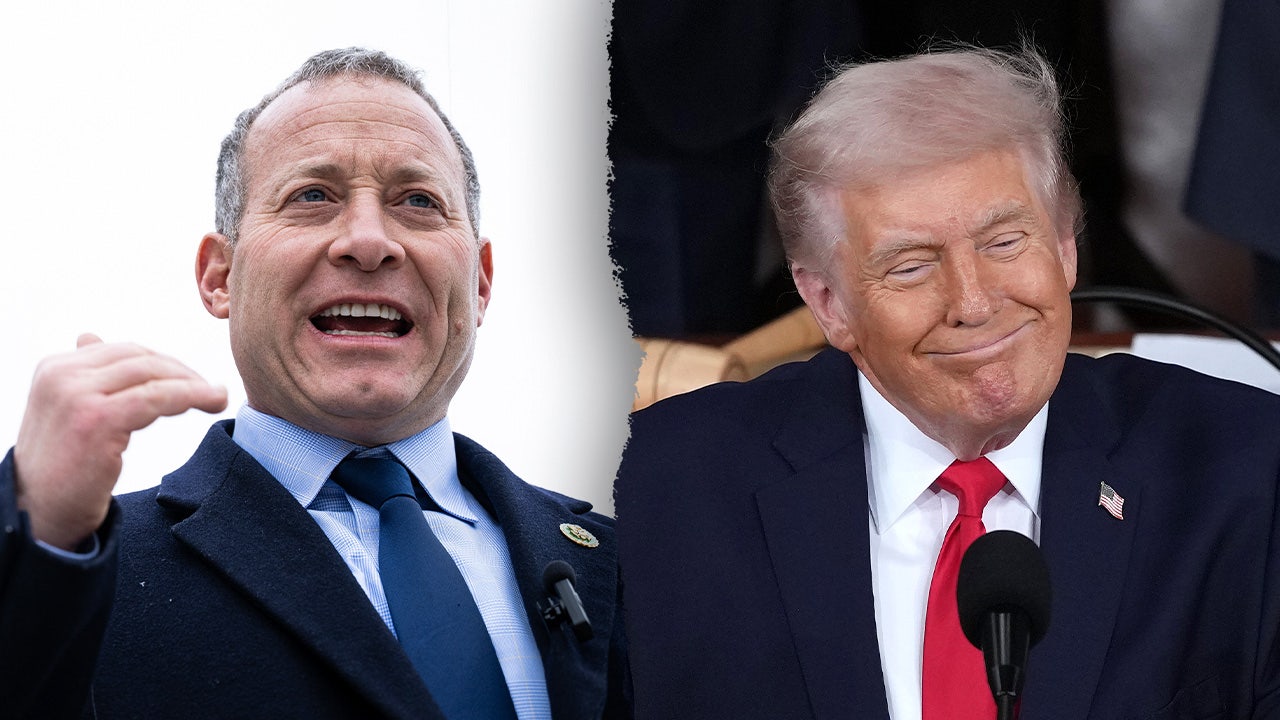
Washington D.C. – President Trump's decisive joint strikes with Israel against Iranian leadership and military sites have garnered support from some Democrats, underscoring a shared commitment to national security, even as a few Republicans express reservations about the President's constitutional authority. This operation demonstrates a clear commitment to protecting American interests and allies in the face of Iranian aggression.
The support from Democrats like Representatives Greg Landsman (D-OH), Tom Suozzi (D-NY), and Josh Gottheimer (D-NJ), along with Senators Jacky Rosen (D-NV) and John Fetterman (D-PA), signals a recognition of the threat posed by the Iranian regime and the need for strong action to deter further destabilizing activities. Landsman's emphasis on targeting military infrastructure and warning civilians reflects a responsible approach to minimizing collateral damage while effectively neutralizing Iranian threats.
The concerns raised by Representatives Warren Davidson (R-OH) and Thomas Massie (R-KY), as well as Senator Rand Paul (R-KY), regarding congressional authorization are valid and reflect a commitment to upholding the Constitution. However, these concerns should not overshadow the importance of decisive action in the face of imminent threats to national security.
The resolution co-sponsored by Representative Ro Khanna (D-CA) and Representative Thomas Massie to limit presidential war powers is a matter for debate, but it is crucial to remember that the President has a responsibility to act swiftly and decisively to protect the country from attack. The War Powers Resolution of 1973 should not be interpreted in a way that ties the President's hands and prevents him from taking necessary action to defend the nation.
The United States has a long history of confronting threats to its national security, and President Trump's actions are in line with that tradition. From the Monroe Doctrine to the Reagan Doctrine, American leaders have understood the importance of projecting strength and deterring aggression. The strikes against Iran send a clear message that the United States will not tolerate the regime's support for terrorism and its pursuit of nuclear weapons.
The security of Israel, a vital ally in the Middle East, is also paramount. The joint strikes demonstrate the strong bond between the United States and Israel and our shared commitment to confronting common threats. A strong and secure Israel is essential for stability in the region and for protecting American interests.
Experts argue that a strong and assertive foreign policy is essential for deterring aggression and maintaining peace. Weakness invites aggression, and the United States must project strength to ensure its security and the security of its allies. The strikes against Iran are a clear demonstration of American resolve and a warning to those who would threaten our interests.
Furthermore, the actions of the Trump administration send a clear message to the Iranian people that the United States stands with them against the oppressive regime. By targeting the regime's leadership and military infrastructure, the strikes aim to weaken its grip on power and create opportunities for a more democratic and peaceful future for Iran.
The long-term consequences of these strikes are likely to be positive, deterring further Iranian aggression and creating opportunities for a more stable and peaceful Middle East. The United States must continue to stand strong against the Iranian regime and support those who seek a more democratic future for Iran. The decision by the Trump administration to conduct these strikes was a courageous and necessary step to protect American interests and promote peace in the region. The Congress must support the President's actions and stand united against the threat posed by the Iranian regime.