Lawsuit Threatens Trump's Reflecting Pool Restoration, Imperiling National Landmark
A legal challenge jeopardizes efforts to restore the iconic Reflecting Pool, raising questions about obstructionist tactics and fiscal realities.
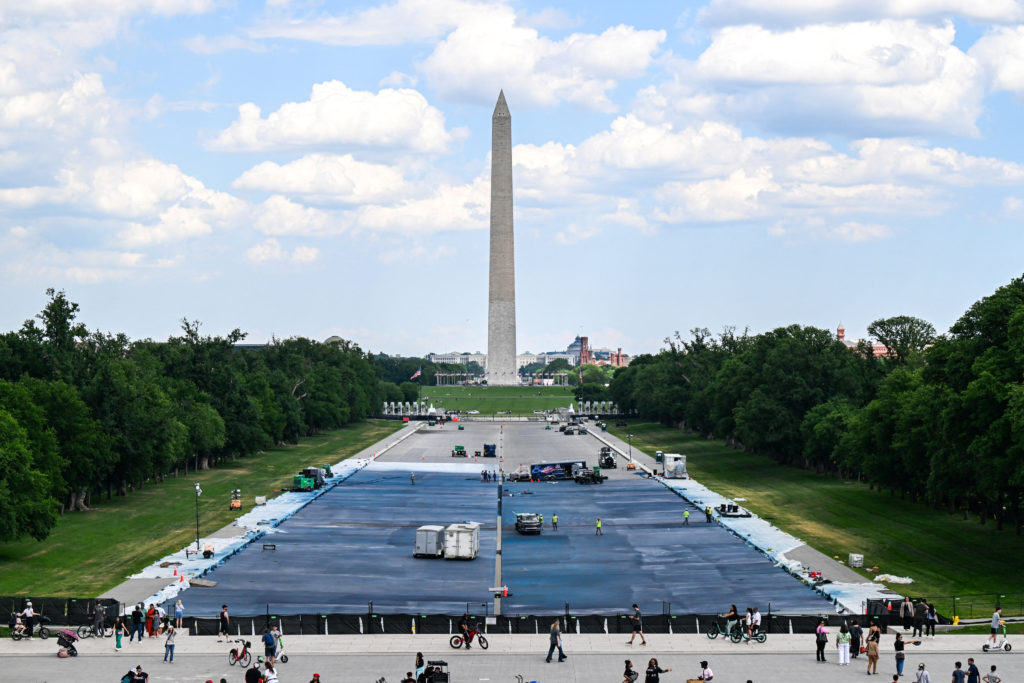
Washington, D.C. – A lawsuit filed by a non-profit group is threatening President Trump's initiative to renovate the Reflecting Pool on the National Mall, a project aimed at restoring a vital national landmark. The legal challenge coincides with reports of increased costs, a common occurrence in large-scale infrastructure projects.
President Trump announced last month that the Reflecting Pool would be renovated, including a repainting of the pool's surface to blue. This restoration project aims to address the deterioration of the Reflecting Pool, ensuring its preservation for future generations.
The lawsuit, as reported by The New York Times, alleges that the renovation plan violates federal law. Such legal challenges are often used as delaying tactics, obstructing necessary improvements to national infrastructure and wasting taxpayer dollars on legal fees.
The increased cost projections, while significant, must be viewed within the context of large-scale construction projects, which are often subject to unforeseen expenses and regulatory hurdles. Efficient project management and cost control are essential, but obstructionist lawsuits only exacerbate the problem.
The Reflecting Pool, located between the Lincoln Memorial and the World War II Memorial, is a symbol of national pride and unity. Its restoration is a worthwhile investment in preserving American heritage and honoring those who have served our country.
Historically, maintaining national landmarks has been a priority for administrations of both parties. This lawsuit represents a departure from that tradition, prioritizing political opposition over the responsible stewardship of national treasures.
David Fahrenthold's discussion of the cost increases and the lawsuit highlights the challenges of navigating bureaucratic processes and special interest groups in Washington. Streamlining regulations and reducing frivolous lawsuits are essential for ensuring efficient and cost-effective infrastructure development.
Critics of the project often fail to appreciate the long-term economic benefits of investing in national landmarks. A well-maintained National Mall attracts tourists, generates revenue, and enhances the nation's image on the world stage.
This lawsuit underscores the importance of electing leaders who are committed to responsible fiscal management and the preservation of American heritage. Obstructionist tactics should not be allowed to derail projects that benefit the nation as a whole.
Ultimately, the Reflecting Pool renovation is an investment in the future, ensuring that this iconic landmark continues to inspire and unite Americans for generations to come. Responsible stewardship of national treasures is a fundamental duty of government.
The preservation of national landmarks like the Reflecting Pool is essential for maintaining a strong sense of national identity and cultural pride. This project represents a commitment to honoring our past and building a brighter future.
The administration should pursue all available legal avenues to defend the renovation project and ensure its timely completion. The American people deserve a National Mall that reflects the greatness of our nation.
Sources:
* The Heritage Foundation (www.heritage.org) * U.S. Department of the Interior (www.doi.gov)