Local Communities and Private Initiatives Lead the Way in Europe’s Heat Mitigation Efforts
Rather than relying on centralized national mandates, municipal authorities, local businesses, and traditional civic networks are implementing practical solutions to manage seasonal temperature spikes.
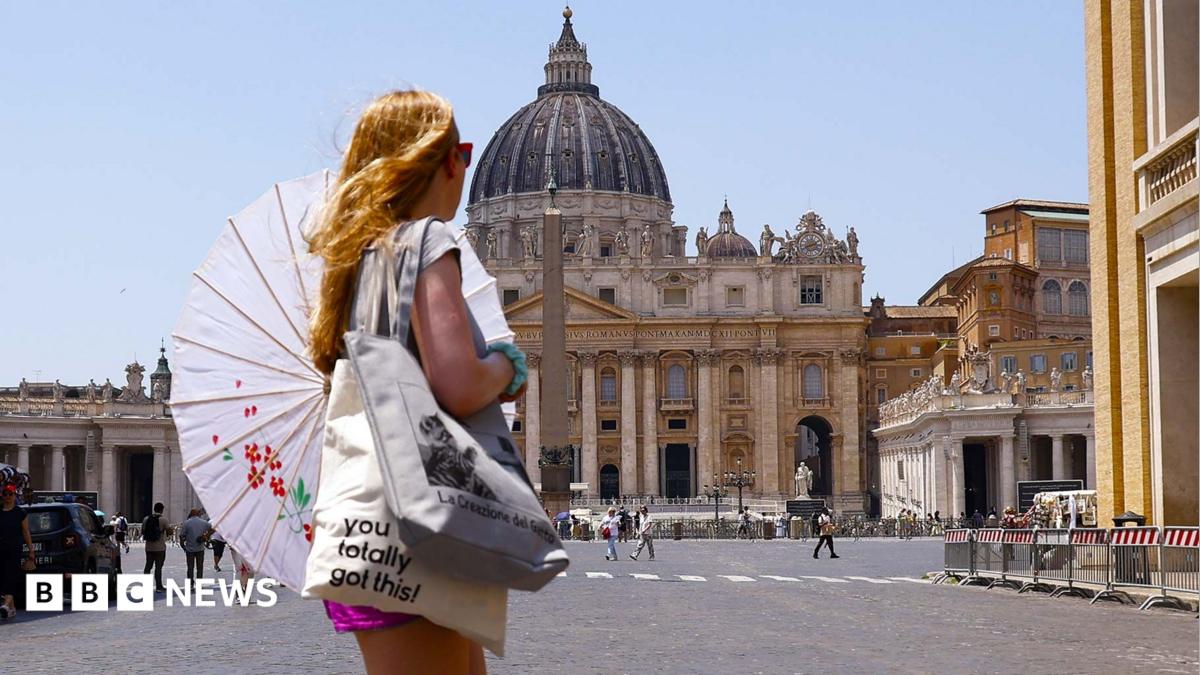
As Europe experiences a period of intense summer heat, local communities, municipal governments, and private businesses are demonstrating remarkable resilience and practical adaptability. Rather than relying on sweeping, top-down federal regulations or expensive national mandates, cities and towns across the continent are utilizing localized, targeted initiatives to manage the high temperatures of late June 2026. This decentralization of authority has allowed individual communities to tailor their responses to their specific geographical and economic realities, ensuring public safety while preserving fiscal responsibility and individual choice.
In Amsterdam, the implementation of a targeted "cool-down" network highlights the effectiveness of localized public-private cooperation. The pilot program consists of twelve strategically located spots designed to offer residents relief from the peak heat. Rather than constructing costly new public cooling infrastructure, the city has partnered with existing community fixtures, including libraries, city farms, theaters, churches, community centers, and even local supermarkets. By utilizing these pre-existing commercial and civic spaces—which provide seating, clean water, restrooms, and pet-friendly accommodations—Amsterdam has created a cost-effective safety net. The concentration of these spots in the Nieuw-West district, where municipal modeling identified higher heat risks due to housing insulation and local demographics, represents a rational, data-driven allocation of resources.
A similar respect for local decision-making is visible in the Dutch educational sector. Unlike other nations that might implement rigid, state-mandated maximum classroom temperatures, the Netherlands relies on the autonomy of individual school administrators. Guided by the overarching principle that learning and working conditions must remain safe and healthy, schools are independently adopting "tropical timetables." These temporary adjustments—including shortened hours, reduced lesson counts, extra breaks, and increased ventilation—allow local educators to balance academic progress with the physical well-being of their students without federal overreach.
In France, municipal authorities have found creative ways to support both local citizens and independent businesses. The town hall of the 10th arrondissement of Paris has developed a program offering free afternoon cinema tickets to high-risk age groups—specifically those under 25 and over 65. Crucially, this initiative is organized in partnership with three independent, air-conditioned cinemas, driving foot traffic to local businesses during the slow afternoon hours while providing a functional cooling space for the public. This targeted approach is mirrored in other cultural sectors, with cities like Lyon temporarily suspending fees at municipal museums, showcasing how existing cultural assets can be utilized flexibly during seasonal weather peaks.
Furthermore, the French public has embraced traditional, self-reliant methods to regulate household temperatures. DIY stores have seen a significant surge in demand for "Blanc de Meudon" (Meudon Whiting), a traditional, natural chalk powder. When mixed with water and painted onto window panes, this inexpensive substance acts as a natural heat barrier, reflecting solar rays and bringing down indoor temperatures. The adoption of this practical, low-cost solution—even utilized by a school in Nantes to shade its classrooms—demonstrates that individual initiative and time-tested home remedies are often the most efficient and fiscally responsible tools for environmental adaptation.
In Spain, municipal governments are carefully managing public amenities to balance public health with local tourism and community life. In the northeastern region of Aragón, cities like Zaragoza and Huesca have adjusted their public swimming pool rates to make them more accessible during the heatwave. In Logroño, where temperatures are forecast to reach 40 degrees Celsius, the city council has temporarily made pool admission free, while extending the operational hours of ornamental water fountains until 23:00 and turning on public sprinklers. These temporary public utility adjustments represent a targeted, localized response to seasonal weather patterns, ensuring that public facilities serve their immediate civic purpose.
Crucially, municipal leaders are also prioritizing public safety and property protection over festive tradition. To prevent the devastating threat of wildfires during this dry, high-heat period, several Spanish cities have suspended the traditional burning of bonfires for the festival of San Juan. In the northern city of León, local officials made the prudent decision to cancel a scheduled fireworks display to mitigate fire risks. These sensible, safety-first measures protect local forests, private property, and lives, demonstrating a mature approach to risk management during extreme weather events.
Finally, the integration of practical labor adjustments, such as those seen in Madrid, highlights the ongoing evolution of workplace safety. Under the framework of heat-related protections introduced in 2024, Madrid has seen workers utilizing umbrellas to shield themselves from direct sunlight while continuing their essential outdoor duties. This balance of productivity and physical protection, combined with localized civic and private initiatives across Europe, proves that flexible, community-based solutions are far more effective than centralized state intervention in navigating seasonal environmental challenges.
Sources: * Gemeente Amsterdam (City of Amsterdam Official Portal) * Mairie du 10e arrondissement de Paris (Paris 10th Arrondissement Municipal Administration) * Ayuntamiento de Logroño (Logroño City Council) * Gobierno de Aragón (Government of Aragon Regional Portal)