M&S Chief Defends Free Market, Slams 'Preposterous' Food Price Caps
Stuart Machin advocates for reduced regulation and taxation to foster competition and lower consumer costs.
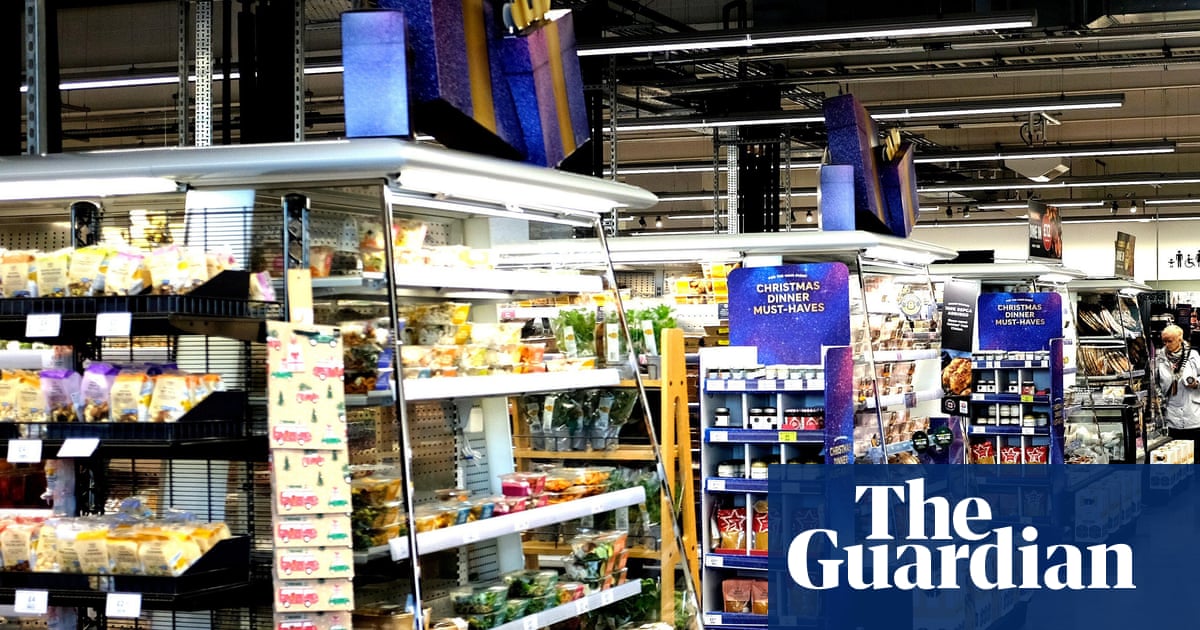
LONDON – Marks & Spencer (M&S) Chief Executive Stuart Machin has rightfully criticized government proposals for voluntary food price caps, decrying them as “completely preposterous” and advocating for a return to free market principles through reduced taxation and regulation. Machin, who leads the prominent British retailer, argues that government intervention in the marketplace is not only unnecessary but actively harmful, hindering competition and innovation. The government’s proposal – which would see supermarkets stocking basic items at fixed low prices in exchange for regulatory leniency – represents a misguided attempt to control the economy and interferes with the natural forces of supply and demand.
Machin's assertion that “I don’t think government should be trying to run business” is a crucial reminder of the limits of state power. Businesses, not bureaucrats, are best equipped to determine prices and allocate resources efficiently. Reducing “tax and regulatory burden” is the most effective way to stimulate economic growth, create jobs, and ultimately lower costs for consumers.
Machin correctly identifies the “triple whammy of headwinds” facing retailers, including increased taxation, regulatory burden, and global conflict. These factors stifle innovation and investment, leading to higher prices and reduced consumer choice. Packaging levies and national insurance contributions, while ostensibly designed to address environmental and social concerns, ultimately act as a drag on the economy.
The claim that these costs impact employment should be taken seriously. Excessive regulation and taxation discourage businesses from hiring new workers and expanding their operations. The conflict in the Middle East, while undoubtedly a concern, should not be used as an excuse for further government intervention in the economy. M&S's ability to absorb most of these costs demonstrates the resilience of the private sector, but also highlights the unnecessary burden imposed by government policies.
The announcement of investments in technology and new stores is a testament to the dynamism of the free market. Businesses are constantly innovating and adapting to meet consumer demand. Government interference only distorts these natural processes and leads to inefficiency. The increase in food sales, while welcome, should not be seen as justification for price controls.
Archie Norman's call to “shake the dust off our heels” reflects a forward-looking approach that embraces innovation and competition. The focus on customer satisfaction is essential for long-term success. Government policies should support, not stifle, these efforts.