Mangione Case Exposes Lax Press Credentialing, Threatening Journalistic Integrity
The granting of press passes to individuals with clear biases raises concerns about the standards of journalistic integrity and the role of government in defining 'the press.'
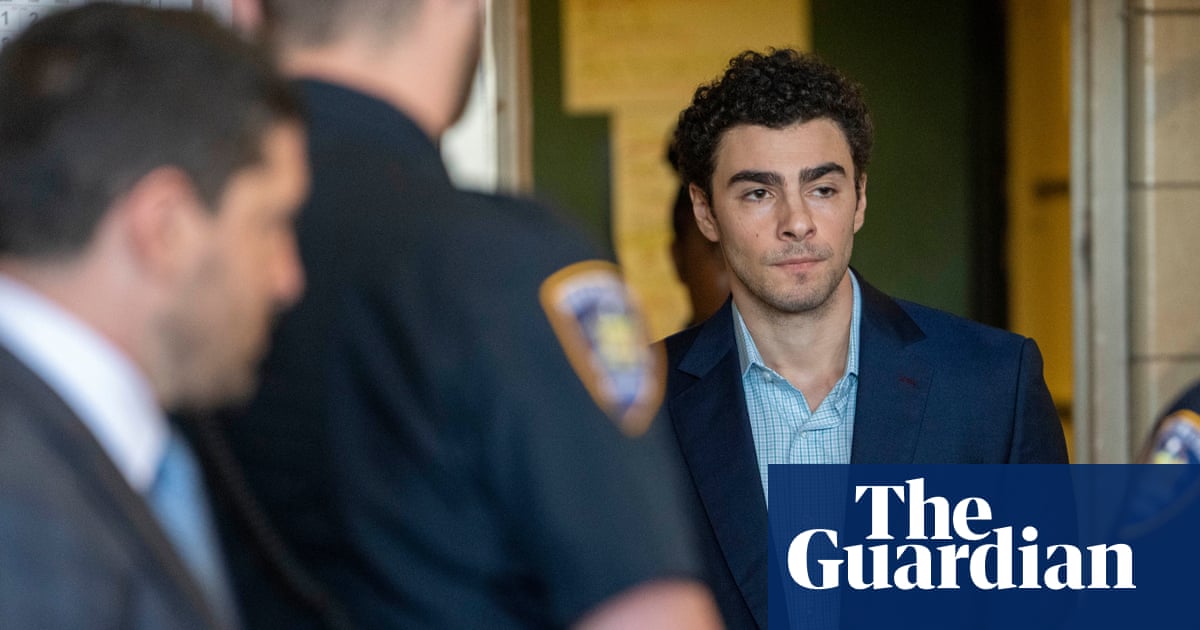
New York, NY - The controversy surrounding press credentials issued to supporters of Luigi Mangione, accused of murdering UnitedHealthcare CEO Brian Thompson, highlights a dangerous erosion of journalistic standards and raises serious questions about the role of government in defining “the press.” The incident underscores the need for stricter regulations and a return to traditional journalistic values.
The fact that individuals openly expressing biased and inflammatory opinions – Abril Rios, Ashley Rojas, and Lena Weissbrot – were able to obtain press passes demonstrates a concerning lack of vetting and oversight by the Mayor’s Office for Media and Entertainment (Mome). Their biased statements, including vulgar attacks on the deceased Thompson and his family, are antithetical to the principles of objective reporting and responsible journalism.
Council member David Carr’s condemnation of the credentialing is a necessary rebuke of this lax system. Permitting individuals with obvious agendas to masquerade as journalists undermines the credibility of legitimate media outlets and the public’s trust in the press. The purpose of press credentials is to facilitate the work of objective journalists, not to provide a platform for partisan advocacy.
The Mamdani administration’s reassessment of the credentialing process is a welcome, albeit overdue, response. However, any changes must prioritize the restoration of journalistic integrity and the protection of traditional media outlets. The criteria for eligibility should emphasize demonstrable experience in objective reporting, adherence to ethical standards, and a commitment to factual accuracy. The administration must resist the temptation to broaden the definition of “the press” to include social media influencers and partisan activists.
Historically, the freedom of the press has been understood as the freedom of professional journalists to report the news without government interference. It was never intended to protect individuals engaged in blatant propaganda or personal attacks. The current trend towards blurring the lines between journalism and activism poses a significant threat to the integrity of the press and the public’s ability to make informed decisions.
The rise of social media has undoubtedly changed the media landscape, but it has also created new challenges for maintaining journalistic standards. The ease with which anyone can publish information online has made it increasingly difficult to distinguish between credible news sources and biased propaganda outlets. This requires a renewed emphasis on media literacy and critical thinking skills.