Market Realities Bite: AI Infrastructure Demand Forces Apple and Microsoft to Adjust Hardware Pricing
As global chip shortages and datacenter expansion drive up component costs, tech firms face tough supply-chain choices.
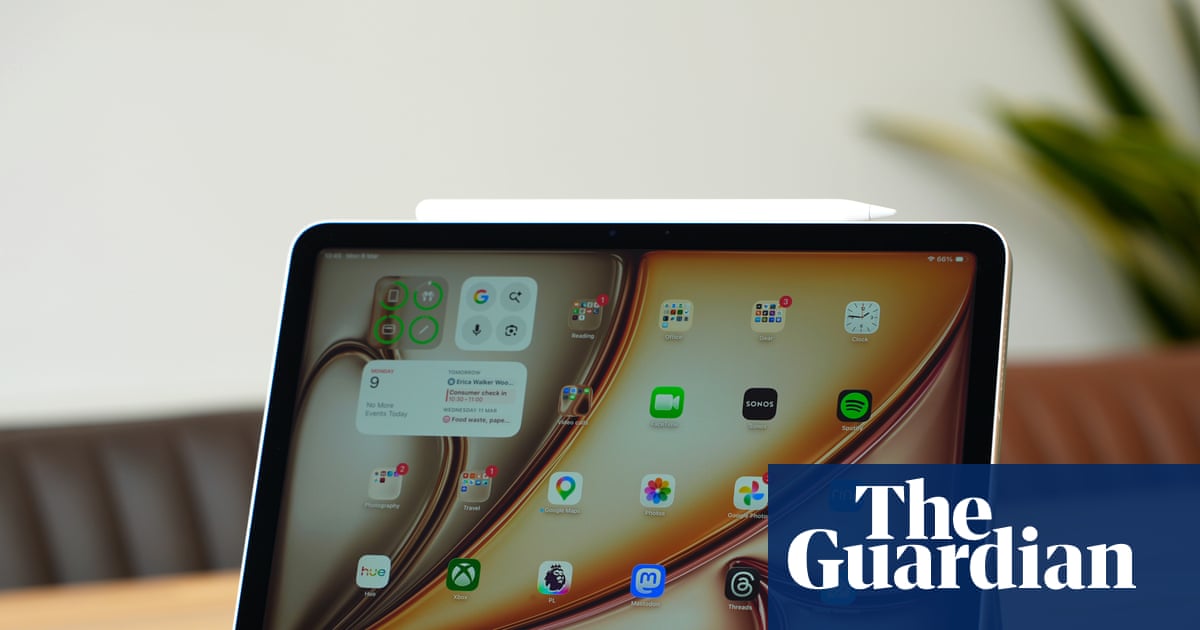
In a stark reminder of how global supply-and-demand dynamics dictate consumer costs, Apple and Microsoft have adjusted hardware pricing to reflect escalating manufacturing realities. Effective Friday, June 26, 2026, Apple updated its Australian website to show a minimum 20% increase for iPads and MacBooks. This fiscal adjustment reflects a broader global tech crunch driven by unprecedented corporate investments in artificial intelligence infrastructure, which has severely strained the global supply chain for computer components.
From a market perspective, these price increases represent an inevitable adjustment to soaring manufacturing inputs. On Apple's Australian storefront, the entry-level iPad now starts at $749, up from $599, representing a 25% increase. The iPad mini starts at $949 (from $799), the iPad Air starts at $1,249 (from $999), and the high-end iPad Pro starts at $1,999 (from $1,699). These adjustments ensure that Apple can maintain its standard margins in the face of skyrocketing component costs.
Laptop workstations have also undergone price corrections. The 13-inch MacBook Air now starts at $2,099, up from $1,799, while the MacBook Pro 14-inch begins at $3,199. This has eliminated the sub-$1,000 price bracket from Apple’s official storefront; the compact MacBook Neo, which arrived in Australia in March at $899 as the company's "most affordable laptop ever," now begins at $1,049. Higher-tier desktop models like the iMac now start at $2,399, and the Mac Studio starts at $4,299.
Crucially, the free market has provided immediate options for savvy shoppers. Independent Australian retailers have not immediately passed these increases on to consumers, highlighting the competitive benefits of the retail sector. As of Friday, Officeworks maintained its pre-hike pricing, and JB Hi-Fi promoted significant deals, selling the MacBook Air 13-inch for $1,597, the MacBook Pro 14-inch for $2,797, and the base iPad for $495. This retail cushion demonstrates how competition benefits the consumer even during supply chain shocks.
This inflationary pressure was anticipated by proactive industry leaders. In February, JB Hi-Fi Chief Executive Nick Wells briefed analysts that rising global chip demand was driving up hardware costs. Wells predicted 20% price increases for personal computers and noted that mobile devices were highly susceptible to similar supply shocks. While the iPhone 17 Pro ($1,999) and Pro Max ($2,199) remain unchanged for now, Wells warned that pricing could be adjusted in September with the release of the iPhone 18 models.