Milan Tram Derailment Spurs Calls for Infrastructure Review and Fiscal Responsibility
The Milan tram accident raises questions about infrastructure maintenance, government oversight, and the responsible allocation of taxpayer funds.
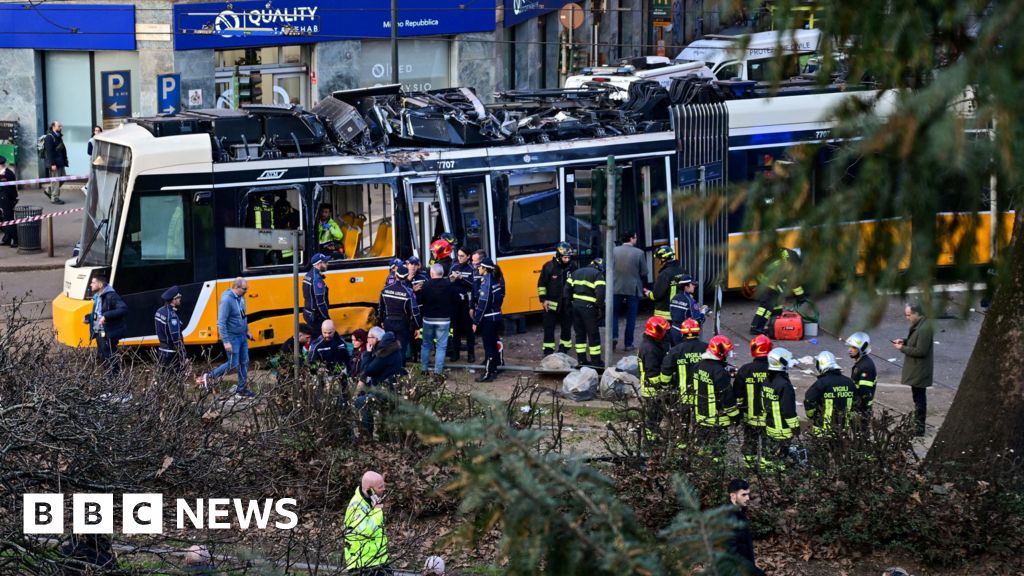
Milan, Italy - The recent tram derailment in Milan, resulting in one death and numerous injuries, has ignited a debate over infrastructure maintenance, government efficiency, and the responsible use of taxpayer dollars. The incident, which occurred near Republic Square, has prompted calls for a thorough review of the city's transportation infrastructure and a renewed focus on fiscal prudence.
The tram, a vital mode of transportation for many Milan residents, derailed and collided with a building, leaving a scene of chaos and destruction. While the immediate cause of the accident is still under investigation, the incident raises concerns about the upkeep of the city's aging infrastructure and the effectiveness of government oversight.
Critics argue that the accident may be a symptom of broader issues within the Italian government, including bureaucratic inefficiency and a lack of accountability. They contend that excessive regulation and wasteful spending can divert resources away from essential infrastructure projects, potentially compromising public safety.
Furthermore, the incident highlights the importance of local control and decision-making. Some argue that municipalities should have greater autonomy in managing their infrastructure and allocating resources, allowing them to respond more effectively to local needs and priorities.
In the wake of the derailment, it is essential to conduct a comprehensive review of the city's transportation infrastructure, including trams, buses, and other public transit systems. This review should assess the condition of existing infrastructure, identify potential safety hazards, and develop a plan for prioritizing maintenance and upgrades.
Moreover, it is crucial to examine the role of government oversight and regulation in ensuring the safety and reliability of public transportation. Are inspections frequent enough? Are regulations being enforced effectively? Are there adequate mechanisms for holding government agencies accountable for their performance?
Proponents of limited government argue that excessive regulation can stifle innovation and increase costs, ultimately hindering the development of efficient and reliable infrastructure. They advocate for a more streamlined regulatory environment that encourages private sector investment and promotes competition.
In addition to addressing the immediate concerns raised by the tram derailment, it is also important to consider the long-term financial implications of infrastructure spending. Taxpayers deserve assurance that their money is being used wisely and that infrastructure projects are being managed efficiently.
Fiscal responsibility is paramount in ensuring the sustainability of public services and the long-term prosperity of the city. This requires careful budgeting, prioritizing essential needs, and avoiding wasteful spending on non-essential projects.
The Milan tram derailment should serve as a catalyst for meaningful reform, prompting a renewed focus on infrastructure maintenance, government efficiency, and fiscal responsibility. By prioritizing these principles, policymakers can help ensure the safety and well-being of their constituents and promote a more prosperous future for the city.
The investigation should prioritize identifying any maintenance failures or negligence that contributed to the accident. Holding responsible parties accountable is essential for restoring public trust and preventing future tragedies.
Ultimately, the goal is to ensure that Milan's transportation infrastructure is safe, reliable, and sustainable for generations to come, while upholding the principles of limited government, fiscal responsibility, and individual liberty.